Storm Damage? We're Ready to Help.
Recent storms may have caused damage you can't see. Call today to schedule a professional roof inspection and fast, reliable repairs.
Aging roofs (15–25+ years) often need replacement, even without visible damage.
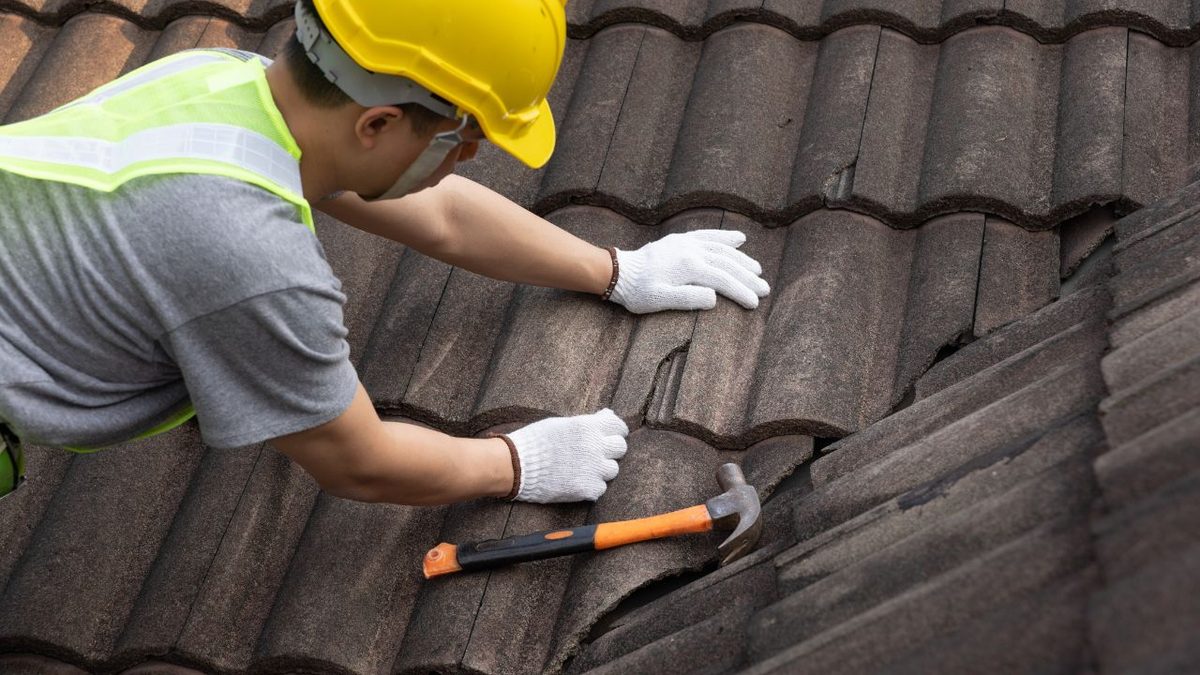
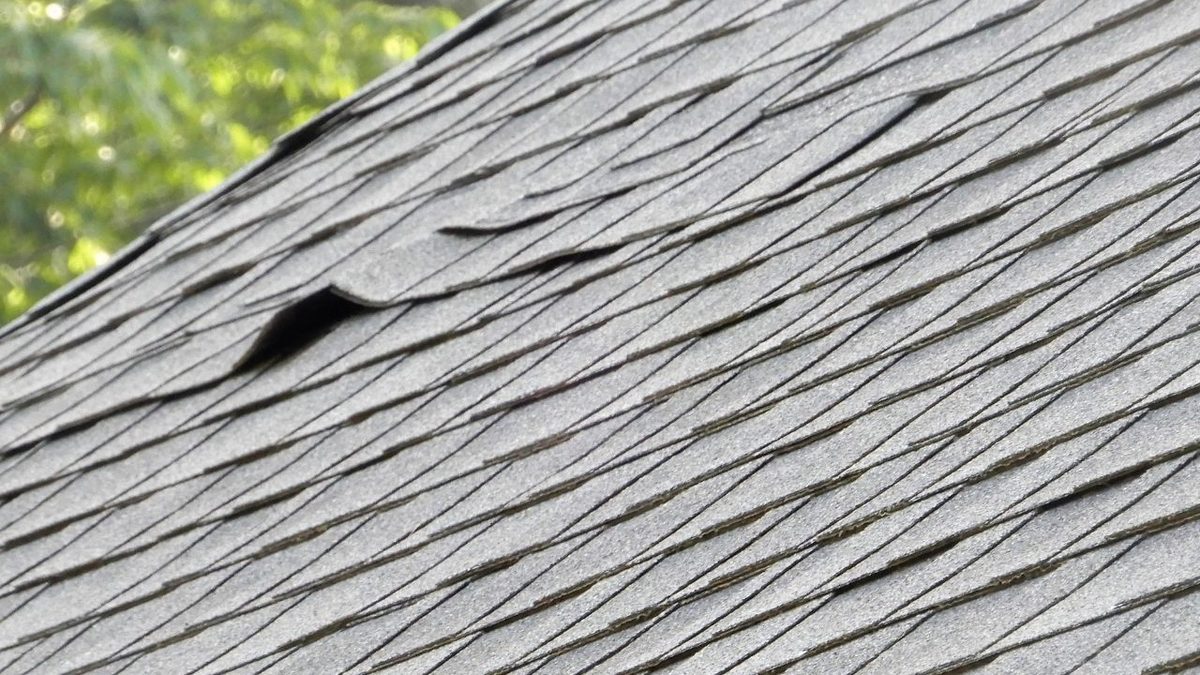
Cracked, missing, or curled shingles are early signs of failure.
Interior leaks and stains mean the damage has already spread.
Sagging, moss, or high energy bills could signal deeper issues.
Advanced Roofing Inc. offers expert inspections and trusted advice when it’s time to replace.
Your roof is your home’s first line of defense. It shields you from rain, snow, wind, and harsh sun. But unlike a leaky faucet or a broken window, roof issues can be sneaky. By the time water is dripping into your living room, the damage has already been done.
Knowing the signs of roof damage in Illinois can help you take action before problems spiral out of control. If you’re wondering when to replace your roof, this guide will walk you through the clear (and sometimes not-so-obvious) indicators. From cracked shingles to sagging decking, each warning sign is your roof’s way of asking for help.
Following are the key points to What are the Signs That Tell It Is Time For a Roof Replacement:
Your Roof Is Getting Old
You Notice Granules in Gutters or Downspouts
Water Stains or Leaks Inside Your Home
Storm Damage After Illinois Weather Events
Let’s break down the red flags—so you can act in time.
1. Your Roof Is Getting Old
The most basic and important factor? Age.
Every roof has a life expectancy. In Illinois, with our bitter winters and stormy summers, materials wear out even faster.
Average roof lifespan in Illinois by material:
Asphalt shingles: 15–25 years
Architectural shingles: 25–30 years
Wood shakes: 20–30 years (with maintenance)
Metal roofing: 40–70 years
Slate and tile: 50–100 years
If your roof is near—or past—its expected roof lifespan in Illinois, it’s probably time to start planning a replacement. Even if everything looks fine, underlying damage could be developing.
2. Shingles Are Missing, Cracked, or Curling
Shingles are your roof’s armor. When they start breaking down, the entire system becomes vulnerable.
Look out for:
Cracked shingles – Often from weather extremes or age
Curling edges – A sign that moisture is trapped or heat damage is occurring
Bald patches – Granules are the grit on top of shingles that protect against UV rays
Missing shingles – Leaves your roof exposed to direct rain, snow, and pests
Spotting these issues on even a small area can mean a wider problem. It’s one of the most obvious signs of roof damage in Illinois, especially after a storm.
3. You Notice Granules in Gutters or Downspouts
If you see sand-like particles in your gutters, they’re probably coming from your shingles. That gritty layer is vital—it blocks sunlight and adds strength.
As shingles age, they shed granules. Heavy loss means your roof is losing its ability to protect your home from heat and water. In Illinois, where hail and snow put extra stress on roofs, this kind of wear is common.
4. Water Stains or Leaks Inside Your Home
This one’s hard to miss—and even harder to ignore.
Interior warning signs include:
Yellow or brown stains on ceilings and walls
Peeling paint or bubbling drywall
Musty odors in the attic
Visible dripping after rain or melting snow
Leaks may not always appear directly under the problem spot. Water travels through layers, beams, and insulation. By the time it shows up indoors, your roof may have suffered serious damage.
5. The Roofline Looks Uneven or Sagging
From the outside, take a step back and look at your roof’s shape. A straight, solid roofline means the structure underneath is holding up. But if you see dips, curves, or drooping edges, there’s likely a problem.
Causes of sagging roofs:
Waterlogged decking
Rotted support beams
Heavy snow or ice buildup over time
Previous poor installations
This is a clear structural concern—and an unmistakable sign that it’s time for a replacement.
6. Flashing Is Rusted or Damaged
Flashing is the thin metal installed around chimneys, vents, and roof valleys to direct water away. If it’s damaged, water can seep into your home.
Watch for:
Rusted or corroded flashing
Gaps or lifted edges
Old tar patches instead of proper flashing
Water stains near your fireplace or ceiling corners
Proper flashing is especially critical in Illinois, where snow and ice often sit on the roof for long periods.
7. Moss, Algae, or Mold Growth
Green might be great in your garden, but it’s bad news on your roof.
Common types of growth:
Moss – Traps moisture, leading to wood rot
Algae – Black streaks that weaken shingles over time
Mold – Grows under shingles and inside the attic, if moisture is trapped
These signs mean moisture isn’t draining properly. Over time, trapped water can destroy the structural integrity of your roof.
8. Increasing Energy Bills
Here’s a surprising one: if your heating and cooling bills are climbing, your roof could be the culprit.
A failing roof allows heat to escape in winter and hot air to enter in summer. Inconsistent indoor temperatures force your HVAC system to work harder.
You may notice:
Cold drafts in winter
Overheating rooms in summer
Insulation issues in the attic
Rising electric or gas bills
This hidden indicator of roof failure often goes unnoticed until it becomes expensive.
9. Storm Damage After Illinois Weather Events
Illinois weather doesn’t play nice. Hailstorms, tornadoes, wind gusts, and heavy snow can do serious damage in minutes.
After major weather events, look for:
Dented or cracked shingles from hail
Shingle blow-offs from wind
Fallen tree branches
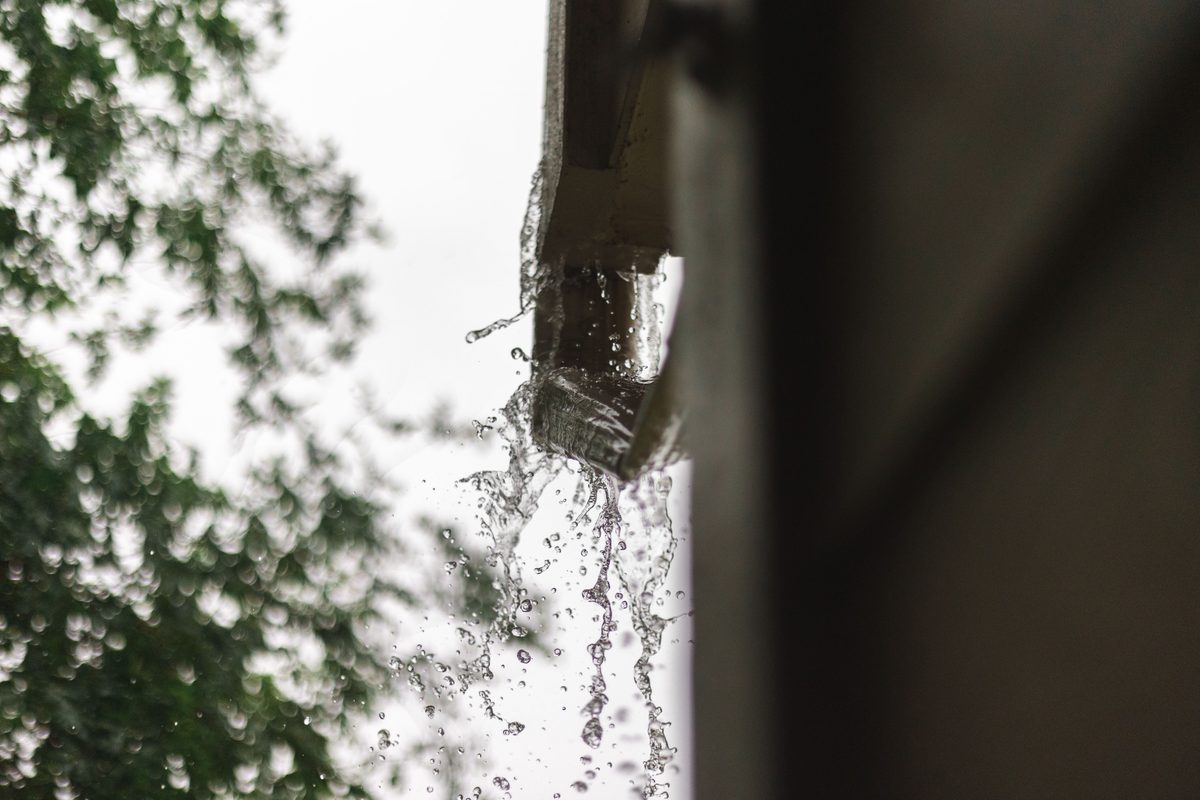
Pooling water or clogged gutters
Even if you don’t see immediate leaks, storm damage can shorten the roof lifespan in Illinois dramatically. It’s smart to get a post-storm inspection—even if your roof looks “okay.”
Is It Time to Replace Your Roof? Take This Self-Assessment
Not sure where your roof stands? Use this quick checklist to evaluate the most common warning signs. Go through each question honestly — the more boxes you're checking, the more urgent it is to schedule a professional inspection.
#
Question
Check For
Warning Sign
1
How old is your roof?
15–20 years = nearing end of life; 20+ = past expected lifespan
Age alone is reason to plan for replacement
2
What's the condition of your shingles?
Cracking, curling edges, bald patches, missing shingles
Any of these signals broader deterioration
3
Are there granules in your gutters?
Sandy/gritty debris after rain
Heavy loss means shingles are losing UV and moisture protection
4
Any water stains or leaks inside?
Ceiling/wall stains, musty attic odor, dripping after rain
Water indoors means damage has already spread
5
Does the roofline look straight and even?
Dips, curves, or drooping edges from the ground
Sagging indicates structural issues (rotted decking or beams)
6
Is your flashing intact?
Rust, lifted edges, gaps, or old tar patches around chimney/vents
A failing roof allows heat loss in winter and heat gain in summer
9
Any recent storm damage?
Dented/blown shingles, fallen branches, pooling water
Even without visible leaks, storm damage shortens roof lifespan
If you checked three or more items, it's time to call a professional.
When to Replace Your Roof vs. When to Repair It
Not every roofing issue needs a total replacement. But when do you draw the line?
Repair may be enough if:
Damage is isolated to one area
Shingles are still under warranty
The structure and decking are still strong
Replacement is better when:
The roof is over 20 years old
Issues are widespread
There are leaks in multiple places
You want to upgrade for better efficiency and resale value
If you’re unsure when to replace your roof, a professional inspection will give you clarity.
Don’t Wait for a Leak—Know the Signs and Act Early
Your roof doesn’t just protect your home—it protects your family, your memories, and your investment. Being able to spot the signs of roof damage in Illinois gives you the power to act before small problems turn into major expenses.
From curling shingles and sagging rooflines to water stains and high energy bills, these warning signs are your roof’s way of saying: “It’s time.”
At Advanced Roofing Inc., we specialize in honest, thorough roof inspections and replacements across Illinois. If you're wondering when to replace your roof, we’ll guide you every step of the way—with clarity, care, and zero pressure.
Ready for peace of mind? Contact Advanced Roofing Inc. today for a free inspection. Let’s protect your home, together.
At Advanced Roofing Inc., we put our customers’ needs first by providing trained installers, high-quality materials and reliable service that can’t be matched by other roofing companies.
We're dedicated to providing exceptional service and ensuring your satisfaction. Please don't hesitate to reach out to us with any questions, inquiries, or to schedule a consultation.
At Advanced Roofing Inc., we put our customers’ needs first by providing trained installers, high-quality materials and reliable service that can’t be matched by other roofing companies.
We're dedicated to providing exceptional service and ensuring your satisfaction. Please don't hesitate to reach out to us with any questions, inquiries, or to schedule a consultation.