Illinois homeowners face increased vulnerability to roofing fraud following severe spring weather events. Storm chaser scams cost consumers millions annually through inflated claims, substandard repairs, and abandoned projects. Understanding the tactics used by fraudulent contractors and knowing how to verify legitimate professionals protects homeowners from financial loss and ensures proper restoration of storm-damaged roofs.
Key Takeaways
- Storm chasers are unlicensed contractors who target storm-damaged neighborhoods with pressure tactics and inflated claims
- Illinois law requires written contracts for repairs over $1,000 and gives homeowners a three-day cancellation right
- Verify contractor credentials through IDFPR licensing checks and request insurance certificates before signing any agreement
- Obtain three written estimates and never pay the full amount upfront to protect against abandonment
- Legitimate storm damage repairs range from $2,655 to $22,127, depending on severity and scope
What Are Storm Chaser Roofing Scams?
Storm chaser roofing scams involve fraudulent contractors who target neighborhoods immediately after severe weather. These operators use high-pressure tactics to secure quick payments before disappearing or delivering inferior work. The FBI estimates insurance carriers pay at least $1 billion annually on fraudulent roof claims across the United States.
Understanding Illinois roofing fraud patterns helps homeowners recognize manipulation tactics before signing contracts. Scammers exploit the urgency created by storm damage to bypass normal verification processes. Legitimate contractors provide detailed documentation and encourage homeowners to review credentials before making decisions.
Who Are Storm Chasers and How Do They Operate?
Storm chasers are out-of-town contractors who canvass neighborhoods offering immediate, often subpar services after severe weather. They typically arrive within 24 to 48 hours of a major storm event. These operators knock on doors claiming to have spotted damage from the street or offering free inspections.
Their business model relies on volume and quick turnover rather than quality workmanship. Many lack proper licensing, insurance coverage, and established business addresses in Illinois. Once payment is secured, storm chasers frequently abandon projects or use inferior materials that fail within months.
Why Does Illinois Experience These Scams After Spring Storms?
Illinois experiences concentrated storm chaser activity because spring weather generates billions in legitimate insurance claims. U.S. roof claims costs exceeded $30 billion in 2024, creating profitable opportunities for fraud. Roof damage now accounts for approximately 25% of all residential insurance claims nationwide.
State Farm reported a $1 billion increase in hail-related claims between 2021 and 2022 alone. This surge attracts fraudulent operators who inflate damage assessments to maximize payouts. Fraud occurs in approximately 10% of all property-casualty insurance losses, costing honest policyholders through increased premiums.
What Are Common Tactics Used in Storm Chasing Scams?
Unsolicited door-to-door offers claiming free inspections represent the most common initial contact method. Scammers create artificial urgency by stating they can only offer special pricing today. High-pressure sales tactics prevent homeowners from conducting proper research or obtaining competing estimates.
Demanding full payment upfront before work begins allows fraudsters to disappear with the money. Some contractors claim that you didn't notice or intentionally cause damage during their inspection. Offering to waive insurance deductibles constitutes insurance fraud and should immediately disqualify any contractor from consideration.
How Can Homeowners Identify Roof Damage After a Spring Storm?
Homeowners should conduct visual inspections from the ground following severe spring storm roofing events. Look for missing or damaged shingles, dented gutters, and debris accumulation in valleys. Binoculars allow safe examination of higher roof sections without climbing dangerous ladders.
Interior signs include water stains on ceilings, damp insulation in attics, and daylight visible through roof boards. Document all findings with dated photographs before contacting contractors or insurance companies. This evidence establishes the timeline and extent of damage independent of third-party assessments.
What Signs of Damage Should Homeowners Look For?
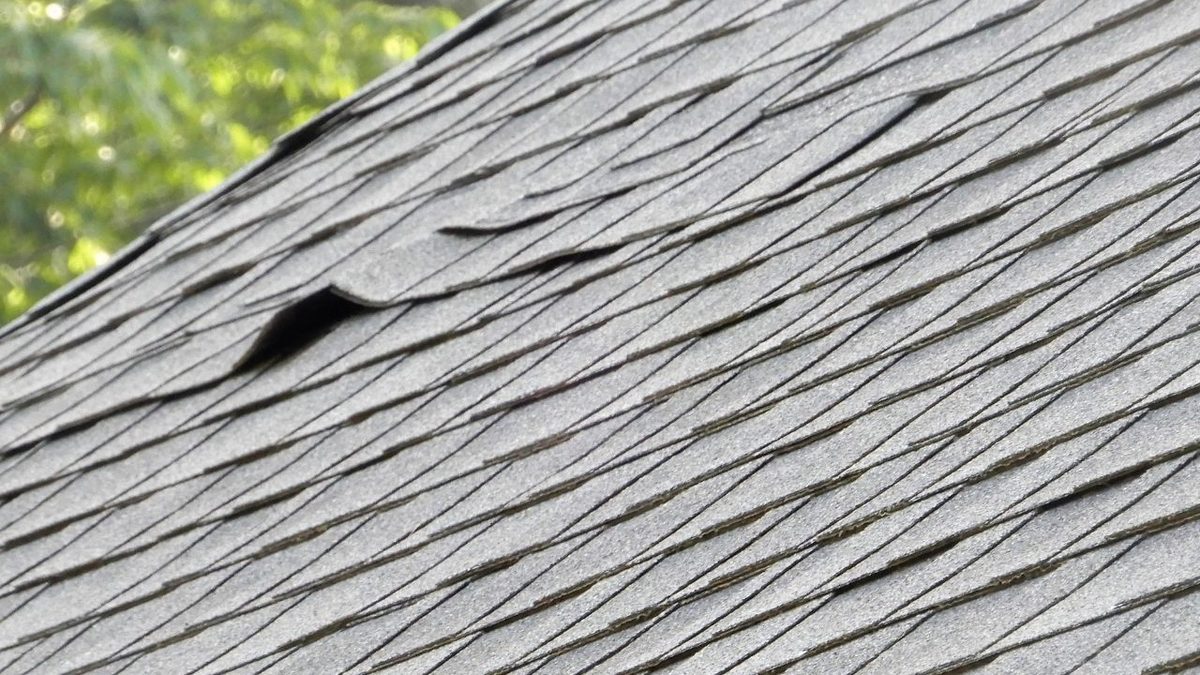
Visible exterior indicators include curled, cracked, or missing asphalt shingles across multiple roof sections. Granule loss appears as dark patches where protective coating has worn away from shingles. Dented metal flashing around chimneys and vents suggests hail impact that may have compromised waterproofing.
Interior warning signs require attic inspection to identify water intrusion before ceiling damage becomes visible. Wet or compressed insulation indicates active leaks requiring immediate attention. Daylight penetrating through the roof deck confirms a structural compromise that demands professional evaluation and storm damage response.
When Is It Appropriate to Call a Roofing Contractor?
Contact a licensed contractor when damage affects multiple roof sections or creates immediate leak risks. Emergency repairs become necessary if active water intrusion threatens interior spaces or electrical systems. Professional assessment determines whether temporary patching suffices or complete replacement is required.
Homeowners should schedule inspections within one week of storm events to document damage promptly. Delaying professional evaluation risks additional deterioration from subsequent rain or wind exposure. Early intervention prevents secondary damage to structural components, insulation, and interior finishes.
How to Distinguish Legitimate Damage from False Claims
Legitimate storm damage shows consistent patterns across multiple properties in the affected neighborhood. Hail creates uniform circular dents on metal surfaces and granule loss on shingles. Wind damage produces edge lifting and missing shingles concentrated on prevailing wind-facing roof slopes.
False claims exaggerate minor cosmetic issues or attribute pre-existing wear to recent storms. Scammers photograph normal aging characteristics like slight granule loss and present them as urgent damage. Obtaining independent assessments from multiple licensed contractors reveals discrepancies in damage interpretation and scope recommendations.
Which Red Flags Indicate a Roofing Scam in Illinois?
Roofing scam prevention starts with recognizing warning signs that indicate fraudulent contractors. Legitimate professionals provide verifiable credentials, detailed written estimates, and reasonable payment schedules. Scammers avoid documentation and pressure homeowners into immediate decisions without proper verification.
Understanding common manipulation tactics protects consumers from financial loss and substandard work. The Illinois Attorney General regularly issues warnings about scam detection roofers following severe weather. Homeowners who recognize red flags early avoid costly mistakes and legal complications from insurance fraud participation.
What Are the Top Warning Signs of Scam Contractors?
No license or insurance documentation provided represents the most serious disqualification for any contractor. Illinois law requires roofers to hold a state license through the Department of Financial and Professional Regulation. No written estimate or contract provided eliminates legal protection for homeowners if disputes arise.
Suspiciously low bids significantly below the market average indicate use of inferior materials or planned abandonment. Lack of local presence with out-of-state license plates suggests temporary operations without community accountability. Forcing the use of a specific public adjuster creates a conflict of interest that inflates claims and increases roofing scam risks.
How Do Illinois Licensing and Contract Laws Protect Homeowners?
Roofers must be licensed by the Illinois Department of Financial and Professional Regulation to operate legally. Written contracts are required for repair work costing more than $1,000 under state law. These contracts must specify materials, timelines, payment schedules, and cleanup responsibilities in clear terms.
Homeowners have the right to cancel a contract within three business days if it is signed based on a contractor's home visit. The contract can be canceled within five days of insurance denial in disaster situations. Contractors must provide the "Home Repair: Know Your Rights" pamphlet explaining these legal protections to consumers.
What Payment Practices Should Raise Concerns?
Never pay the full amount upfront or pay in cash without proper documentation and receipts. Legitimate contractors request deposits between 10% and 30% of the total project cost. Subsequent payments should tie to completed milestones like material delivery, tear-off completion, and final inspection.
Contractors who refuse credit card or check payments avoid creating financial trails for accountability. Demanding cash-only transactions suggests tax evasion or intent to disappear without completing work. Withholding final payment until job completion and debris removal ensures contractor motivation to finish properly.
How Should Homeowners Choose a Roofing Contractor After a Storm?
Homeowners should verify contractor credentials through official state databases before scheduling any consultations. The Illinois Department of Financial and Professional Regulation website confirms active licensing status instantly. Requesting certificates of liability and workers' compensation insurance protects homeowners from liability if accidents occur.
Obtaining multiple written estimates allows price comparison and reveals inconsistencies in damage assessments. Legitimate contractors welcome competition and provide detailed breakdowns of materials, labor, and timelines. This verification process helps homeowners choose licensed contractors who deliver quality workmanship.
What Credentials and Verifications Are Essential?
Check the IDFPR website to confirm the roofer's state license remains active and unrestricted. Request certificates of liability and workers' compensation insurance, then verify coverage directly with insurance carriers. These protections prevent homeowner liability if workers suffer injuries or cause property damage during the project.
Check the Better Business Bureau for complaints and ratings that reveal patterns of poor performance. Online reviews on Google and specialized platforms provide additional insight into contractor reliability and communication. Request local references from projects completed within the past year to assess recent work quality.
Why Is Getting Multiple Estimates Important?
Obtain at least three written, itemized estimates from licensed contractors for accurate price comparison. This process reveals whether damage assessments align across multiple professional opinions or vary suspiciously. Significant discrepancies in scope or pricing indicate potential fraud or incompetence requiring further investigation.
Multiple estimates educate homeowners about fair market rates for materials and labor in their region. Contractors who refuse to provide written estimates lack transparency and accountability for quoted prices. Detailed proposals specify shingle brands, underlayment types, and warranty coverage that affect long-term performance.
How to Manage Insurance and Public Adjuster Interactions Safely
Contact your insurance company directly to request an adjuster rather than accepting contractor recommendations. Insurance adjusters represent the carrier's interests, while public adjusters represent homeowners in claim negotiations. Contractors who insist on specific public adjusters create conflicts of interest that inflate claims fraudulently.
Public adjusters charge fees based on claim settlements, incentivizing maximum payout requests regardless of actual damage. Homeowners should understand insurance claims processes before authorizing third-party representation. Never allow contractors to sign insurance documents or negotiate directly with adjusters on your behalf.
What Are Typical Roofing Services and Pricing After Storm Damage?
Understanding normal cost ranges for storm-related roof work prevents overpayment to fraudulent contractors. Pricing varies based on damage extent, material selection, roof complexity, and regional labor rates. Legitimate estimates itemize costs for materials, labor, permits, and debris removal with clear explanations.
Market rates reflect quality standards, proper licensing, and comprehensive insurance coverage that protect homeowners. Suspiciously low bids indicate corner-cutting through inferior materials or unlicensed labor. Transparency in pricing demonstrates contractor integrity and builds trust throughout the repair process.
How Do Emergency Repairs Differ from Full Roof Replacements?
General roof repair covers minor, localized issues with quick turnaround for targeted sections. These repairs address limited damage, such as replacing a few missing shingles or resealing flashing. Costs typically range from $600 to $3,000, depending on accessibility and materials required.
Emergency repairs address immediate, active leaks or sudden damage threatening interior spaces and electrical systems. Storm response involves specialized assessment and comprehensive restoration for storm-affected homeowners filing insurance claims. Full replacements become necessary when damage exceeds 25% of the roof surface or structural compromise exists.
What Are Normal Cost Ranges for Storm-Related Roof Work?
General roof repair costs range from $600 to $3,000 for minor fixes and localized damage. Emergency repairs cost $250 to $3,200, depending on urgency, after-hours scheduling, and temporary protection measures. Storm response projects cost $2,655 to $22,127 based on damage severity and roof size.
Labor rates range from $50 to $120 per hour for legitimate licensed roofers in Illinois. Emergency repairs can incur 20% to 50% surcharge, pushing rates to $100 to $300+ per hour. Additional costs include debris removal, permit fees, and temporary tarping that protects structures until permanent repairs begin.
How Do Warranties and Timelines Affect Contractor Selection?
Industry standard workmanship warranty coverage is 10+ years from reputable contractors committed to quality. Manufacturer material warranties typically extend 20 to 50 years, depending on shingle grade and brand. Written warranty documentation protects homeowners from defects and installation errors discovered after project completion.
Approximately 88% of legitimate contractors meet homeowner expectations of work starting within two weeks. Project duration varies from one day for simple repairs to one week for complete replacements. Weather delays and material availability affect timelines, requiring flexibility and clear communication between contractors and homeowners.
How Does the Fox Valley Roofing Market Influence Scam Risks?
The Fox Valley region's affluent suburbs and severe spring weather create prime conditions for storm chaser scams. Established local contractors maintain long-term reputations that discourage fraudulent practices through community accountability. Out-of-town operators exploit the chaos following major storms when demand overwhelms local contractor capacity.
Understanding the competitive landscape helps homeowners distinguish legitimate professionals from temporary fraud operations. Local presence indicates commitment to service quality and warranty fulfillment over decades. National brands offer extensive resources but may lack the personalized attention that family-owned businesses provide.
Who Are the Established Local Roofing Contractors?
Established Fox Valley contractors like Advanced Roofing Inc. have served the region for 30+ years. These businesses maintain physical offices, local staff, and community relationships that ensure accountability. Long-term operations demonstrate financial stability and commitment to warranty obligations that extend years beyond installation.
Local contractors understand regional building codes, permit requirements, and weather patterns affecting material selection. They maintain relationships with local suppliers for rapid material procurement during emergency situations. Community reputation motivates quality workmanship since negative reviews directly impact future business opportunities.
How Do National Brands Compare with Local Providers?
National brands like GAF and Owens Corning operate certified contractor networks with standardized training programs. These manufacturers provide extensive product warranties and quality control systems that independent contractors follow. Certification programs like GAF Master Elite status indicate commitment to ongoing education and performance standards.
Local providers often carry multiple manufacturer certifications while delivering personalized service unavailable from large franchises. Family-owned businesses make decisions locally without corporate approval delays during emergencies. Combined manufacturer certifications and local accountability offer homeowners optimal protection against both product and installation failures.
Why Is Local Presence Important for Trustworthiness?
Local presence enables immediate warranty service and emergency response without travel delays or coordination challenges. Contractors with established offices can be located easily if problems arise years after installation. Physical addresses, local phone numbers, and staff availability demonstrate a permanent commitment to the community.
Storm chasers use temporary addresses, out-of-state registrations, and prepaid phones that disappear after collection. Local businesses depend on referrals and a reputation built over decades within the same geographic market. This accountability structure naturally discourages the fraudulent practices common among transient operators targeting storm-damaged areas.
What Contract Components Are Critical to Protect Consumers?
Ensure contracts comply with Illinois Home Repair and Remodeling Act requirements for jobs over $1,000. Written agreements must specify exact materials by brand and model number to prevent substitution. Detailed timelines with start and completion dates create accountability for project scheduling and minimize disruption.
Payment schedules tied to verifiable milestones protect against contractor abandonment before work completion. Cleanup and debris removal responsibilities must appear explicitly to avoid unexpected disposal costs. Warranty terms for both workmanship and materials require written documentation with specific coverage periods and claim procedures, which proper contractor checklists verify.
How Should Payment Schedules Be Structured for Safety?
Standard deposits range from 10% to 30% of the total project cost for material procurement. Tie subsequent payments to project milestones like tear-off completion, underlayment installation, and shingle application. This structure ensures contractor cash flow while protecting homeowners against abandonment or substandard work.
Withhold final payment until job completion and debris removal meet quality standards and contract specifications. Never pay in cash without detailed receipts documenting every transaction for tax and legal purposes. Milestone-based payments create natural inspection points where homeowners verify work quality before releasing additional funds.
Storm Chaser Roofing Scams in Illinois: Understanding Risks and Safeguards
Illinois homeowners must remain vigilant against storm chaser scams following spring weather events that create urgent repair needs. Verification of contractor credentials through official state databases prevents engagement with fraudulent operators lacking proper licensing. Written contracts, milestone-based payments, and independent insurance claim management protect consumers from financial loss and substandard workmanship.
Understanding normal pricing ranges for storm damage repairs helps homeowners identify suspiciously low bids indicating fraud. Established local contractors with decades of community presence offer accountability that transient storm chasers cannot match. Taking time to verify credentials, obtain multiple estimates, and review contracts thoroughly prevents the costly mistakes that follow rushed decisions.
The roofing industry in Illinois includes many qualified professionals committed to honest service and quality craftsmanship. Homeowners who recognize red flags, understand their legal protections, and follow structured verification processes successfully avoid storm chaser scams. Advanced Roofing Inc. has served the Fox Valley region for over 30 years with GAF Master Elite certification and comprehensive warranty coverage.
Work With a Verified Fox Valley Roofing Contractor After a Spring Storm
Storm damage is stressful enough without worrying about whether you hired the right contractor. Advanced Roofing Inc. has served homeowners across Yorkville, Oswego, Naperville, Aurora, Geneva, Batavia, and St. Charles since 1994. We hold GAF Master Elite® and CertainTeed ShingleMaster™ certifications, carry full liability and workers' compensation insurance, and provide written estimates with no pressure to sign on the spot.
Protecting your home from storm damage requires selecting contractors based on verified credentials rather than convenient timing. If you need a professional roofing assessment following severe weather, contact our experienced team at Advanced Roofing Inc. for an honest evaluation and transparent pricing.