Key Takeaways
- Hail and high winds during spring storms can lift shingles and cause impact damage, requiring immediate assessment
- Professional roof inspections within 24 to 48 hours after storms prevent secondary damage like mold and structural deterioration
- Free contractor inspections often lack comprehensive documentation compared to paid professional assessments that provide unbiased reports
- Drone technology and thermal imaging enable safe, detailed roof evaluations that identify moisture intrusion invisible from ground level
- Insurance claim filing windows typically limit damage reports to one year after storm events
Illinois experiences some of the most severe spring weather in the Midwest, with frequent storms bringing damaging hail, destructive winds, and torrential rainfall. These conditions create significant roof risk in spring conditions that can compromise both residential and commercial structures, leading to structural damage and costly repairs if damage remains undetected. Understanding storm damage potential and implementing proactive inspection strategies protects property value and prevents escalating repair costs.
Spring storms Illinois residents face annually result from the collision of warm Gulf moisture with cold northern air masses. This atmospheric instability generates powerful weather systems capable of producing softball-sized hail, straight-line winds exceeding 70 mph, and flash flooding from heavy spring rains that tests every component of your roofing system.
What Are the Common Causes of Roof Damage During Illinois Spring Storms?
Severe weather events combine multiple damaging forces that attack roofs simultaneously from different angles. High winds create uplift pressure beneath shingles, drive tree branches into roof surfaces, and hail delivers concentrated impact energy, while heavy rainfall exploits any weakness created by these initial assaults.
How Do Hail and High Winds Affect Residential Roofs?
High winds, heavy rain, and hail can cause damaged shingles and impact damage during the spring and summer months. Illinois experiences some of the largest hailstones recorded in the Midwest, with stones exceeding four inches in diameter capable of penetrating roofing materials and creating immediate leaks.
Wind speeds during severe thunderstorms generate enough force to tear properly installed shingles from the roof deck. Once initial shingles are compromised, adjacent materials become vulnerable to progressive failure, as protecting your premium roof during Illinois severe weather requires understanding these cascading damage patterns.
What Risks Do Commercial Flat Roofs Face in Severe Weather?
Commercial flat roofs require specialized inspection protocols due to their size, flat construction, and complex drainage systems. TPO, EPDM, and metal roofing are commercial materials particularly susceptible to puncture damage from hail impact and membrane tearing from wind uplift forces.
Standing water can degrade commercial roofing membrane by creating constant moisture exposure that accelerates material breakdown. Drainage system failures during heavy rainfall events allow water accumulation that adds substantial weight while enabling moisture penetration through vulnerable seams and penetrations, where how to prepare your commercial roof for the changing seasons in Illinois becomes essential for preventing catastrophic failures.
How Does Seasonal Weather Variation Influence Roof Integrity?
Seasonal transitions create multiple stress factors that compound to weaken roofing materials throughout the year. Ice dams and snow loads from harsh winter weather stress structural integrity during fall and winter months, leaving roofs compromised before spring storms arrive in Illinois properties.
Thermal shock is the rapid expansion and contraction of roofing materials caused by dramatic temperature fluctuations. These cyclical movements create microfractures in shingles and sealants that appear minor initially but expand into significant vulnerabilities when roofs fail in spring conditions, exposing these weakened areas to moisture intrusion.
Why Are Roof Inspections Essential After a Spring Storm in Illinois?
Post-storm roof inspections identify damage before minor problems escalate into major structural issues requiring extensive repairs. Professional assessments document conditions for insurance purposes while revealing hidden damage invisible during casual visual examination from ground level.
What Are the Signs of Roof Damage to Look For?
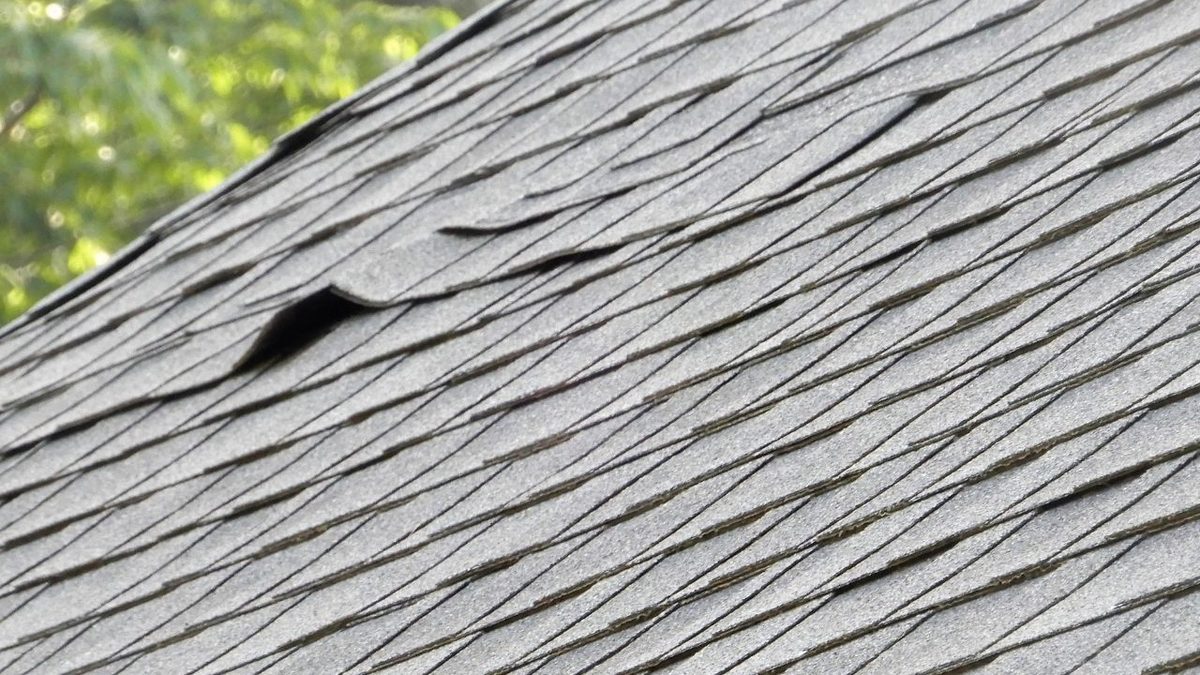
Visible damage indicators include missing or curled shingles, dented metal flashing, and shingle granules collecting in clogged gutters. Hidden leaks may not be detected without an interior assessment examining attic spaces for water stains, mold growth, and compromised insulation that signals active moisture intrusion.
Ceiling discoloration and sagging drywall often represent the first interior signs of roof failure. Professional inspectors examine both exterior surfaces and interior spaces to create comprehensive damage assessments that capture the full scope of storm impact requiring remediation.
When Is the Best Time to Schedule a Post-Storm Inspection?
Schedule inspections within 24 to 48 hours after a major storm event to document damage while conditions remain fresh. Immediate assessment prevents secondary damage development while ensuring compliance with insurance filing requirements that often limit claim windows to one year after events occur.
Rapid inspection scheduling protects property owners from compounding damage as the Illinois storm impact continues through subsequent rainfall. Early detection allows storm damage to your roof to be addressed before minor leaks expand into extensive water damage affecting multiple building systems.
How Can Early Inspections Prevent Secondary Problems?
Prompt inspections identify compromised areas before moisture penetrates building envelopes and creates ideal conditions for mold development. Addressing roofing issues early prevents secondary damage like mold after storms, which can require extensive remediation costing thousands of dollars beyond basic roof repairs.
Water intrusion spreads rapidly through attic insulation and wall cavities once roofing barriers are breached. Professional assessment within the critical 24 to 48-hour window allows immediate temporary repairs that prevent ongoing damage while permanent solutions are planned and executed.
What Types of Roof Inspection Services Are Available in Illinois?
Multiple inspection service models exist to meet varying property owner needs and budget constraints. Understanding differences between service types helps consumers select appropriate assessment levels for their specific situations and property characteristics.
How Do Free Storm Roof Inspections Compare to Paid Professional Inspections?
Free inspections cost $0, but a roofing contractor offering free inspections typically takes 10 to 15 percent of insurance claim values through repair contracts. Paid inspections require a $150 to $400 upfront investment but provide comprehensive documentation without sales pressure or conflict of interest concerns.
Free inspections lack detailed documentation compared to paid inspections that deliver thorough written reports with photographic evidence. Free inspections have high potential for bias toward recommending unnecessary repairs, while paid inspections provide unbiased assessments focused solely on accurate damage identification and prioritized repair recommendations.
What Benefits Do Drone and Aerial Inspections Offer?
UAVs (Unmanned Aerial Vehicles) are drones used for roof inspections that safely access steep or dangerous roof sections. Standard drone inspections cost $150 to $400, compared to infrared or thermal drone inspections costing $400 to $600 that detect moisture intrusion invisible to standard photography.
Drone inspections are weather-dependent and require calm conditions for safe operation and image clarity. Drone inspections require specialized equipment and licensed pilots trained in both aviation regulations and roofing damage assessment protocols that ensure accurate interpretation of aerial imagery.
What Special Considerations Are There for Commercial Roof Inspections?
Commercial inspections cost $200 to $1,000 or more, depending on building size and complexity factors. Commercial inspections are time-consuming and require specialized knowledge of flat roof systems, membrane types, and drainage configurations that differ substantially from residential applications.
Large commercial buildings demand a comprehensive assessment of HVAC penetrations, parapet walls, and extensive flashing systems. Inspectors must understand the roof inspection checklist in Illinois requirements specific to commercial environments, where business interruption costs multiply the financial impact of any roof failure.
How Do Consumer Preferences Influence Roof Inspection Choices in Illinois?
Property owner demographics and maintenance habits directly affect inspection service selection and timing decisions. Understanding consumer behavior patterns reveals why many roofs fail despite available professional assessment services that could prevent damage escalation.
What Are the Maintenance Habits of Illinois Homeowners?
60 percent of U.S. homeowners did not inspect their roofs for damage over a one-year period. 65 percent of Midwestern homeowners failed to conduct roof inspections, representing the lowest regional compliance rate despite facing some of the nation's most severe weather conditions.
15 percent of respondents estimated their roofs were at least 20 years old and approaching replacement age. This combination of aging infrastructure and inspection neglect creates significant vulnerability, and determining when should you have your roof inspected in spring becomes a critical preventive measure that many property owners overlook.
How Do Demographics Affect Inspection Service Selection?
75 percent of Baby Boomers want to stay in their current home and prioritize long-term maintenance investments. 53 percent of Baby Boomers prefer phone calls for service scheduling, influencing how inspection companies market and communicate with this demographic segment.
55 percent of Americans prefer spread-out communities with larger houses requiring more extensive roof coverage. Suburban and rural properties typically feature complex roof geometries with multiple valleys, dormers, and penetrations that demand thorough professional assessment beyond basic visual examination.
What Factors Do Consumers Prioritize When Choosing Inspection Services?
Safety and structural integrity rank highest among consumer concerns when selecting inspection providers. Property owners value thoroughness and detailed documentation that supports insurance claims and provides clear repair guidance backed by photographic evidence.
Time sensitivity drives inspection scheduling as homeowners recognize that delays increase secondary damage risks. Cost effectiveness remains important, but ranks below quality and comprehensiveness when Illinois insurance claims for roof damage require defendable professional documentation that maximizes coverage approval rates.
How Is Technology Changing the Roof Inspection and Damage Assessment Market?
Advanced technology platforms transform traditional ladder-based inspections into sophisticated data collection operations. Digital tools enable more accurate damage detection while creating comprehensive documentation that improves insurance claim success rates and repair planning precision.
What Role Do Drones and Thermal Imaging Play?
The drone roof inspection market is projected to reach $889.2 million globally by 2035, with a 14.4 percent compound annual growth. Thermal imaging capabilities detect moisture intrusion and insulation deficiencies invisible to standard visual inspection methods, revealing hidden damage that creates long-term structural risks.
High-resolution aerial photography documents roof conditions from multiple angles without inspector safety risks. Combined thermal and visual data provide a comprehensive damage assessment that identifies both obvious impact damage and subtle moisture problems requiring immediate attention before degradation accelerates.
How Is Digital Documentation Improving Insurance Claims?
Digital reporting platforms deliver detailed photographic evidence with the GPS coordinates and timestamp verification that insurers require. Cloud-based documentation systems allow real-time sharing between property owners, contractors, and insurance adjusters that accelerates claim processing and approval timelines.
Comprehensive digital reports eliminate disputes about the extent of damage and the timing of occurrence. Professional documentation demonstrating clear pre-storm versus post-storm conditions strengthens claim validity and supports full coverage approval for necessary repairs and replacements.
What Are the Emerging Trends in Roof Inspection Services?
Residential roof inspection services valued at $0.22 billion globally in 2025 are growing rapidly. Projected to grow to $0.56 billion by 2033 at an 11.5 percent compound annual growth rate, the market expansion reflects increasing severe weather frequency and growing consumer awareness about preventive maintenance value.
Artificial intelligence integration enables automated damage detection from drone imagery that identifies hail strikes and wind damage. Machine learning algorithms compare pre-storm and post-storm imagery to highlight specific damage areas requiring human expert verification and detailed assessment.
What Are the Best Practices for Maintaining Roof Health Before and After Storms?
Proactive maintenance strategies reduce storm damage severity and extend roof service life substantially. Professional guidance helps property owners implement cost-effective inspection schedules that balance thoroughness against budget constraints while maximizing protection against hail, wind, and your premium roof damage scenarios.
How Often Should Roofs Be Professionally Inspected?
Conduct professional inspections at least once, preferably twice per year to maintain optimal roof health. Consistent roof maintenance through spring and fall inspections helps prepare for and recover from extreme seasonal weather that stresses roofing materials through temperature fluctuations and precipitation exposure.
Annual inspection frequency proves insufficient for older roofs or properties in high-risk weather zones. Bi-annual assessment allows early detection of developing problems before they become emergency repairs requiring immediate attention during peak contractor demand periods following major storm events.
What Should a Comprehensive Roof Inspection Include?
Perform exterior assessment examining shingles, flashing, gutters, vents, and chimneys for wear patterns and damage. Conduct an interior assessment examining the attic space for hidden leaks, water stains, mold growth, and structural deterioration that signal ongoing moisture intrusion requiring immediate remediation.
Deliver a detailed written report with photographic evidence and prioritized repair recommendations organized by urgency. Professional reports quantify damage extent, estimate repair costs, and provide timeline guidance for addressing identified issues before they compromise building envelope integrity.
How Can Property Owners Choose Qualified Inspectors?
Certified inspectors credentialed by recognized organizations demonstrate proven expertise and ethical standards. Licensed professionals carry appropriate insurance coverage protecting property owners from liability during inspection activities while ensuring adherence to industry best practices and safety protocols.
Verify inspector credentials through independent verification rather than relying solely on contractor representations. Review sample inspection reports to assess documentation quality and thoroughness before engaging services, ensuring deliverables meet insurance requirements for why roof inspections are critical before starting your roof replacement planning.
What Are the Financial and Insurance Implications of Roof Damage in Illinois?
Roof damage creates immediate repair costs and potential long-term financial consequences affecting property values. Understanding insurance processes and market economics helps property owners make informed decisions about inspection investments and repair timing that minimize total ownership costs.
How Do Roof Inspections Affect Insurance Claims and Compliance?
Insurance filing windows are often limited to one year after storm events, requiring prompt damage documentation. Professional inspection reports provide evidence that insurers need to validate claims and determine appropriate coverage amounts for repairs or replacement costs.
Delayed inspections weaken claim validity as insurers question whether damage resulted from recent storms or accumulated over time. Immediate post-storm documentation establishes clear causation linking specific weather events to identified damage, strengthening approval likelihood, and maximizing coverage amounts.
What Are the Typical Costs of Roof Inspection Services?
Standard residential inspections range from $150 to $400, depending on property size and complexity. Specialized services, including thermal imaging and drone photography, add $200 to $300 to base inspection costs but provide comprehensive damage detection, justifying the additional investment.
Commercial property inspections start at $200 and exceed $1,000 for large buildings with extensive roof areas. Investment in thorough professional assessment prevents substantially higher costs from undetected damage progressing into major structural problems requiring emergency repairs during business operations.
How Does Storm Damage Impact Local Restoration Markets?
The global storm damage restoration services market, valued at $50 billion in 2025, continues expanding rapidly. Projected to reach $85 billion by 2033 with a 7 percent compound annual growth rate, the market growth reflects increasing severe weather frequency and rising property values requiring protection.
The North American roof inspection services market, valued at $2.5 billion, demonstrates strong regional demand. Expected to reach $4.2 billion by 2033 at a 6.5 percent compound annual growth rate, while the United States roofing market is projected to grow from $34.66 billion in 2026 to $46.67 billion by 2031, with a 6.13 percent compound annual growth rate indicating sustained industry expansion.
Managing Roof Risks in Illinois During Spring Storms: Protecting Your Home and Investment
Illinois property owners face unique challenges from severe spring weather that demands proactive inspection and maintenance strategies. Understanding common damage patterns, selecting appropriate inspection services, and implementing expert-recommended assessment schedules protect both residential and commercial investments from escalating repair costs.
Spring storms bring multiple simultaneous threats, including large hail, destructive winds, and heavy rainfall that exploit any roofing system weakness. Professional inspection within 24 to 48 hours after severe weather documents damage for insurance purposes while preventing secondary problems like mold growth and structural deterioration that multiply repair costs exponentially when detection delays occur.
Advanced Roofing Inc. provides comprehensive storm damage assessment services throughout the Chicagoland area backed by three decades of experience. Our certified inspectors deliver detailed documentation that meets insurance requirements while identifying all damage requiring attention to restore complete roof protection and preserve your property value.
Protect your investment with expert guidance from professionals who understand Illinois weather patterns and their impact on roofing systems. Contact our team today to schedule your post-storm inspection and ensure your roof receives the thorough assessment it needs to withstand future severe weather events.
Schedule Your Inspection with Advanced Roofing Inc. Today
Spring storm damage doesn’t wait — and neither should you. As a trusted roofing company serving the Chicagoland area for over 30 years, Advanced Roofing Inc. brings the expertise to identify every roofing issue before it becomes a costly problem. From damaged shingles and clogged gutters to roof deck deterioration caused by winter weather and spring rains, our team delivers thorough documentation and reliable repairs backed by GAF Master Elite® certification. Call us at (630) 553-2344 or request a free inspection online to protect your home or commercial property this season.