Key Takeaways
- Repairs make financial sense for roofs under 15 years old with damage covering less than 25% of the surface
- Planned replacements deliver 15-25% cost savings compared to emergency scenarios through strategic timing
- Illinois construction costs run 1.10 times the national baseline, with the Chicago-area multiplier reaching 1.17 times
- Material selection impacts both upfront costs and lifespan, with asphalt ranging from 20 to 30 years and metal lasting from 40 to 80 years
- Storm damage accounts for 33% of roof replacements, making proper insurance documentation essential for claim approval
Homeowners across Illinois regularly face critical choices about their roofs. Understanding when repair or replacement delivers better value requires analyzing damage extent, roof age, material performance, and regional cost factors. These decisions impact immediate budgets and long-term property protection, making informed evaluation essential.
The Illinois roofing market, valued at $3.7 billion in 2026, reflects strong demand driven by aging housing stock and severe weather patterns. Material preferences, labor rates, and insurance considerations all influence whether targeted repairs or complete replacement represent the smarter investment. Regional variations further complicate calculations, particularly in affluent suburbs where property values differ from urban areas.
What Are Shingle Roof Repair and Replacement?
What Does Shingle Repair Involve?
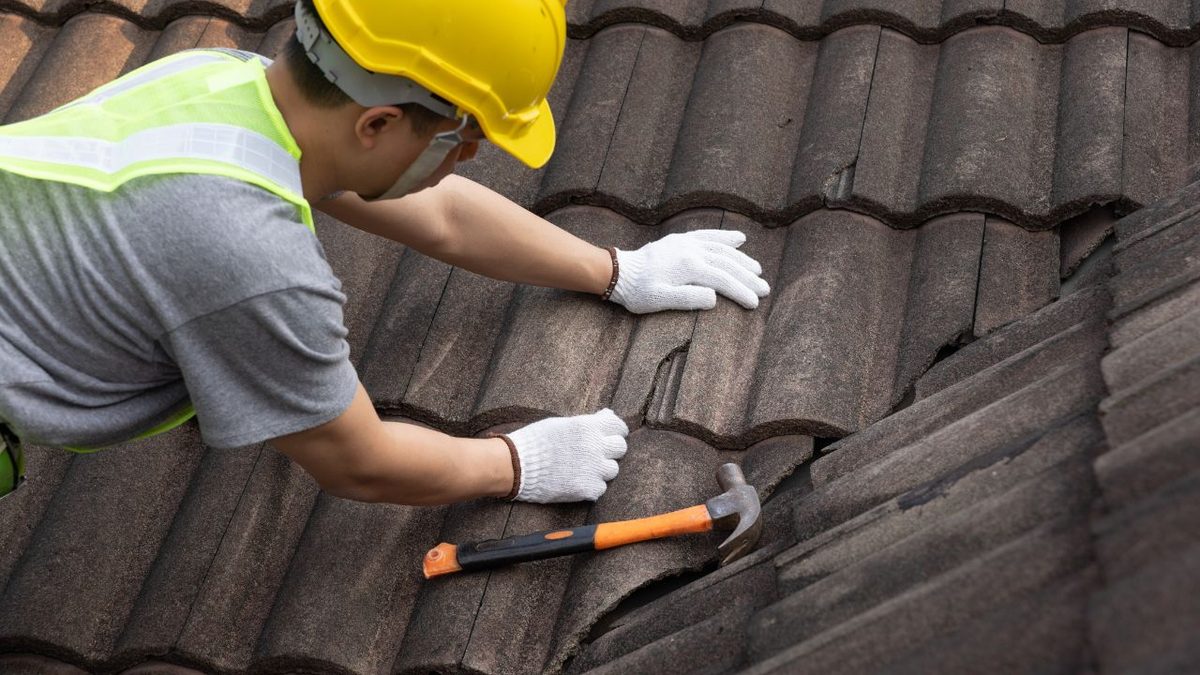
Shingle repair addresses localized damage without removing the entire roof system. Minor repairs covering less than 25% of the roof surface typically do not require municipal permits, simplifying the approval process. Emergency repairs respond to immediate problems like active leaks or sudden storm damage requiring urgent attention. Contractors recommend repairs when roofs remain under 15 years old and damage affects less than one-quarter of the total area.
These interventions range from replacing individual damaged shingles to addressing small leak sources around penetrations. The reactive nature of emergency roof repair in Illinois means homeowners often face premium pricing due to urgency and potential after-hours service requirements. Planned repairs during favorable weather conditions generally cost 15-25% less than emergency responses, making preventive inspection valuable.
When Is a Full Shingle Replacement Needed?
Full replacement involves removing existing materials down to the decking and installing an entirely new roof system. These projects mandate municipal permits across Illinois jurisdictions, with permit fees ranging between $50 and $300 depending on location. Replacement becomes necessary when roofs approach the end of their material lifespan or when structural damage affects decking or framing components.
The average roof undergoes replacement at approximately 19 years of age across residential properties. Nationally, 85% of roofing business focuses on replacing existing roofs rather than new construction projects. Structural issues like water-damaged decking require full replacement regardless of surface material age, as compromised foundations cannot support new shingles safely.
How Do Material Types Affect Repair and Replacement?
Material selection directly impacts both repair feasibility and replacement costs throughout the project lifecycle. Asphalt shingles appear on 69% of American homes and account for 80% of new residential roofing projects. Within the asphalt category, three-tab shingles represent 42% of installations, while architectural shingles capture 33% of market share.
Different materials offer varying repair complexity and lifespan expectations that influence long-term financial planning. Metal roofing, capturing approximately 10% of the market, often proves easier to repair through panel replacement than asphalt. However, shingle repair cost considerations must account for labor expertise requirements, as metal installation demands specialized skills that increase hourly rates.
What Are the Key Financial Factors in Illinois for Roof Decisions?
How Do Labor and Material Costs Vary Regionally?
Illinois construction projects face a cost multiplier of 1.10 times the national baseline for materials and labor. The Chicago metropolitan area experiences even higher expenses, with a multiplier reaching 1.17 times national averages due to urban logistics. Illinois ranks as the second-highest paying state for roofing professionals, with workers earning $70,110 annually on average.
These elevated labor rates significantly impact project budgets across repair and replacement scenarios for Illinois roofing decisions. The average roof replacement in Chicago costs approximately $20,540, while Naperville averages $38,577 reflecting larger home sizes. Naperville pricing ranges from $11,022 for basic projects to $66,132 for premium installations involving complex architectural features.
How Does Weather Impact Repair and Replacement Costs?
Severe weather drives substantial roofing activity throughout Illinois, particularly through hail and wind damage. State Farm paid over $3.8 billion in hail damage claims nationally during 2024, illustrating the financial scale. Storm damage initiates approximately 33% of all roof replacements, making weather the single largest catalyst for roofing projects.
Hail damage repairs average $4,250, with typical costs ranging between $375 and $7,500 depending on impact severity. Insurance payouts for significant hail damage average $12,000 across affected properties. Understanding Illinois homeowners' insurance coverage for premium roof replacement helps homeowners anticipate out-of-pocket costs versus covered amounts when storm damage occurs.
What Role Does Insurance Play in Roof Repairs?
Insurance coverage substantially affects the financial equation when comparing repair versus replacement options after storm events. A collaborative approach involving homeowners, contractors, and adjusters increases approved claim amounts by 10-20% through thorough damage documentation. Proper claim management ensures all structural issues receive appropriate attention rather than only visible surface damage.
Contractors experienced in insurance processes help identify subtle damage like bruised shingles and compromised underlayment that adjusters might overlook. Documentation quality directly impacts claim outcomes, making professional inspection immediately following severe weather essential for maximizing coverage. This coordination between technical expertise and insurance requirements often determines whether partial repairs or full replacement becomes financially viable.
How Do Consumer Preferences Influence Repair Vs Replacement Choices?
How Do Homeowner Priorities Differ by Generation?
Millennial homeowners demonstrate the highest spending on home maintenance, averaging $2,601 annually across all categories. This demographic allocates $1,519 on average to emergency repairs, reflecting reactive approaches. Their preference for online research and transparent pricing influences how contractors present repair versus replacement options.
Baby Boomers typically prioritize preventive maintenance over waiting for emergency situations to develop. They generally spend less on emergency repairs than younger homeowners, instead investing in regular inspections and minor fixes. Generation X homeowners balance these approaches, completing repairs at higher rates than Boomers while spending more conservatively than Millennials.
What Regional Differences Exist in Illinois, Especially in Naperville?
Urban Chicago homeowners show a slight preference for targeted repairs, with 55% choosing this option versus 45% opting for full replacements. Dense housing patterns and higher labor costs encourage selective interventions when roofs remain structurally sound. Logistical constraints in urban environments also make full replacement more disruptive to neighboring properties.
Naperville and similar affluent suburbs reverse this trend, with 65% of homeowners choosing full replacements versus 35% selecting repairs. Property values in these communities encourage comprehensive upgrades that enhance curb appeal rather than minimal interventions. The Naperville cost range from $11,022 to $66,132 reflects varying home sizes and material quality preferences among residents prioritizing investment protection.
How Do Material Trends Affect Decision-Making?
Word-of-mouth recommendations drive 74% of homeowner contractor selection decisions, influencing material choices through peer experiences. Online search engines contribute to 54% of research processes, exposing homeowners to emerging material trends and performance data. These information sources shape expectations about shingle replacement value and appropriate material investments.
Transparent pricing expectations appear among 65% of homeowners researching roofing projects, pushing contractors toward detailed cost breakdowns. Approximately 62% prefer repeat business with known contractors, suggesting satisfaction with previous material recommendations influences future decisions. The ranking of roofs as "Top Priority" among 92% of homeowners underscores the importance placed on quality materials regardless of initial cost differences.
When Does Repair Make More Financial Sense Than Replacement?
What Are the Age and Damage Thresholds for Repairs?
Repair represents the financially optimal choice when roofs remain under 15 years old and damage affects less than one-quarter of the total surface area. Localized problems like missing shingles from isolated wind events or small leak areas around chimney flashings respond well to targeted interventions. Age considerations matter because newer roofs have substantial remaining lifespan that full replacement would waste.
Damage extent determines whether repairs provide adequate protection or merely postpone inevitable replacement. Understanding roof repair costs in Illinois helps homeowners evaluate whether spending on partial fixes makes sense given remaining roof life expectancy. Roofs approaching their expected lifespan limit often benefit more from replacement even when current damage appears minor.
How Do Emergency Repairs Differ Cost-Wise from Planned Repairs?
Emergency repairs carry premium pricing due to urgency requirements and potential after-hours or weekend service calls. Contractors typically charge 15-25% more for emergency responses than scheduled work during normal business hours and favorable seasons. This premium reflects crew availability adjustments, rush material procurement, and challenges of working during active weather events.
Planned repairs allow homeowners to secure multiple competitive quotes and schedule work during optimal weather windows. Off-season scheduling during fall or winter months yields 15-25% savings compared to peak spring and summer demand. Strategic timing combined with proper preparation delivers substantial cost advantages while ensuring work quality.
What Risks Are Involved with Delaying Replacement?
Delaying necessary repairs when replacement would be more appropriate can cause progressive structural damage to roof decking and framing. Water infiltration from deteriorating shingles compromises wooden components, creating rot that spreads beyond the original leak location. Rotted decking or compromised insulation adds $2,000 to $8,000 to eventual project costs.
Interior damage from ongoing leaks escalates total repair expenses through ceiling, wall, and flooring restoration requirements. Mold growth in damp insulation creates health hazards requiring professional remediation separate from roofing work. These cascading problems transform initially manageable repair situations into comprehensive structural restoration projects.
When Is Replacement the Better Financial Decision?
How Does Roof Lifespan Affect Replacement Timing?
Material lifespan establishes the fundamental framework for determining when replacement delivers better value than continued repairs. Basic asphalt three-tab shingles last approximately 20 years under typical Illinois weather conditions. Architectural asphalt shingles extend performance to 30 years, offering improved durability over economy options.
Premium materials provide substantially longer service lives that justify higher upfront investments for long-term homeowners. Metal roofing delivers 40 to 80 years of performance depending on coating quality and installation precision. Concrete and clay tiles last over 100 years, while slate tiles perform for 60 to 150 years when properly installed.
What Are the Cost Benefits of Planned Replacement?
Planned replacements result in 15-25% cost savings versus emergency scenarios through strategic timing and competitive bidding. Homeowners scheduling work during off-peak seasons benefit from reduced labor rates and better contractor availability. Off-season scheduling specifically yields 15-25% savings compared to peak spring and summer demand when contractors command premium pricing.
Multiple quote solicitation during planned replacement allows detailed comparison of material options and installation approaches without time pressure. This deliberate process ensures homeowners understand trade-offs between budget materials and premium options regarding longevity. Planned timing also permits proper preparation like relocating vehicles and protecting landscaping.
How Do Premium Materials and Installation Influence Value?
Premium materials combined with expert installation deliver superior long-term value despite higher initial costs. Architectural shingles costing $4.50 to $8.25 per square foot in the budget range provide enhanced wind resistance and aesthetic depth. Metal roofing at $5.50 to $11.50 per square foot offers exceptional durability and energy efficiency that reduces lifetime ownership costs.
Professional installation quality directly impacts material performance and warranty validity regardless of the product grade selected. Seven factors determining Illinois roof replacement cost include labor expertise, material grade, architectural complexity, and warranty coverage, among other considerations. Master-level installation ensures materials perform at their rated capacity, protecting the substantial investment through proper technique.
How Are Repair and Replacement Projects Managed in Illinois?
What Are the Key Permitting and Licensing Requirements?
Municipal permits cost between $50 and $300 across Illinois jurisdictions for full roof replacement projects. Minor repairs covering less than 25% of the roof surface typically do not require permits, reducing administrative burden. Homeowners must verify contractor licensing status, as unlicensed work can lead to municipal fines, voided manufacturer warranties, and complications during property sales.
Licensed contractors carry appropriate insurance coverage protecting homeowners from liability for worker injuries. Permit compliance ensures work meets building codes for wind resistance, fire safety, and structural loading requirements. Skipping proper permitting to save money creates significant risks that far exceed the modest permit fees.
How Should Homeowners Navigate Insurance Claims?
Taking baseline photos of the roof before storm season establishes a documented condition for comparison after damage events. Homeowners should document damage from ground level following severe weather rather than climbing on roofs and risking injury. Scheduling professional inspection immediately after damage occurs ensures timely claim filing within policy deadlines.
Having the roofing contractor present during the insurance adjuster visit increases claim accuracy by identifying all damage requiring attention. Understanding the role of insurance in Illinois roof repairs helps homeowners advocate effectively for appropriate coverage of both obvious and subtle damage. This collaborative documentation process typically increases approved claim amounts by 10-20% compared to homeowner-only assessments.
What Are Best Practices for Scheduling and Contractor Selection?
Approximately 88% of contractors currently meet homeowner expectations to start work within two weeks of accepting quotes. Transparent pricing on contractor websites influences 65% of homeowner research decisions. Online search engines drive 54% of initial contractor discovery, emphasizing the importance of digital presence.
Peak season presents the highest prices and longest wait times as demand exceeds contractor capacity during spring and summer. Fall and winter scheduling provides better pricing and faster project starts, though weather conditions may limit working days. Homeowners should verify contractor certifications, insurance coverage, and references before committing.
What Are the Construction Differences Between Repair and Replacement?
How Are Asphalt Shingles Manufactured and Installed?
Asphalt shingle manufacturing starts with a fiberglass foundation mat providing lightweight, waterproof base characteristics. Hot asphalt is applied to this foundation, creating the weather-resistant layer. Mineral grains are embedded into the surface, delivering UV protection, color stability, and fire resistance properties.
Heat-activated sealant strips are applied during manufacturing, bonding shingles together upon sun exposure after installation for enhanced wind resistance. Installation begins with proper underlayment application followed by systematic shingle placement starting from the eaves and progressing toward the ridge. Proper nailing patterns and overlap specifications ensure wind and water resistance.
What Is Unique About Metal Roofing Installation?
Metal roofing installation requires moisture barrier application first, establishing waterproof protection beneath panels. Precise placement of metal panels follows using specific fasteners and clips designed to accommodate thermal expansion and contraction. Installation of eave trims, valley flashings, and ridge caps completes the weather-tight assembly.
Panel alignment precision matters more for metal than asphalt installations, as visible seams and fastener placement affect both aesthetics and performance. Specialized tools and training requirements for metal installation contribute to higher labor rates. These technical demands ensure proper performance but necessitate contractor expertise beyond basic residential roofing experience.
How Do These Methods Affect Project Cost and Durability?
Basic asphalt three-tab shingles range from $4.25 to $4.95 per square foot in budget installations. Architectural asphalt increases to $4.50 to $8.25 per square foot, reflecting enhanced dimensional appearance and improved weather resistance. Metal roofing spans $5.50 to $11.50 per square foot, with premium grades and complex installations reaching higher price points.
Concrete and clay tiles command $11.00 to $19.80 per square foot, while slate tiles range from $12.00 to $22.00 per square foot for budget installations. These cost differences reflect material durability, aesthetic characteristics, and installation complexity. Comparing Illinois roof repairs versus replacement reveals how material longevity and maintenance requirements influence lifetime ownership costs beyond initial installation expenses.
Financial Sense of Shingle Repair Vs. Replacement in Illinois
Understanding when repair or replacement delivers optimal value requires evaluating multiple financial factors simultaneously rather than isolated cost comparisons. Age thresholds, damage extent, remaining lifespan, and long-term ownership plans all influence which option protects both immediate budgets and property values most effectively. Illinois homeowners benefit from analyzing regional cost multipliers, insurance coverage potential, and seasonal timing opportunities when making these investment decisions.
The decision between targeted intervention and complete system renewal depends on specific property conditions and homeowner priorities beyond simple cost calculations. Roofs under 15 years old with localized damage typically justify repair approaches preserving the remaining material lifespan. Conversely, roofs approaching material lifespan limits or exhibiting widespread deterioration warrant replacement investments that prevent escalating structural damage and provide decades of renewed protection.
Strategic timing and proper contractor selection amplify financial benefits regardless of whether repair or replacement proves appropriate. Evaluating whether to repair or replace your roof involves analyzing cost factors, performance expectations, and long-term value considerations unique to each property. Quality-focused homeowners who prioritize durability over minimum initial expense consistently achieve better outcomes through comprehensive evaluation rather than reactive decision-making.
Advanced Roofing Inc. helps Chicagoland homeowners navigate these complex decisions through transparent assessments and expert recommendations tailored to individual circumstances. Our 30 years of local experience provide the technical expertise to evaluate when repairs adequately address current needs versus situations requiring complete replacement for proper protection. GAF Master Elite® certification and CertainTeed ShingleMaster™ credentials ensure our recommendations reflect industry best practices.
Get an Honest Assessment From Advanced Roofing Inc.
Not sure whether repair or replacement is the right call for your roof? Advanced Roofing Inc. has helped Chicagoland homeowners make this decision for over 30 years. As a GAF Master Elite® Certified and CertainTeed ShingleMaster™ contractor, we give you a straight answer based on your roof's actual condition — not a sales pitch. Ready to make an informed decision about your roof? Contact our roof replacement specialists for a comprehensive assessment and transparent pricing tailored to your specific needs and budget.