Storm damage attracts both legitimate contractors and fraudulent operators to affected neighborhoods. Fox Valley homeowners face significant risk when evaluating roofer hiring red flags during the stressful aftermath of severe weather. Understanding how to identify suspicious contractors protects your property and financial investment while ensuring quality repairs.
U.S. roof claims exceeded $30 billion in 2024, with approximately 25% of residential insurance claims involving roof damage. This surge creates opportunities for unscrupulous contractors to exploit homeowners facing urgent repair needs. Recognizing roof repair warnings helps you distinguish between qualified professionals and operators seeking quick profits.
Key Takeaways
- Storm damage roofers must provide valid Illinois state licensing and insurance certificates before starting work
- Legitimate contractors never demand full payment up front or offer to waive insurance deductibles
- Written contracts are required by Illinois law for any repair work costing more than $1,000
- Homeowners should obtain at least three itemized estimates and verify credentials through official state databases
- Local roofing companies with established reputations provide better accountability than out-of-town storm chasers
What Is Storm Damage Roofing and Why Is It Vulnerable to Scams?
Storm damage roofing involves repairs or replacements necessitated by weather events, including hail, wind, and fallen debris. This service becomes vulnerable to scams because homeowners face time pressure to prevent additional damage while managing insurance claims. Fraudulent contractors exploit this urgency by offering immediate service before homeowners can properly vet credentials.
The combination of visible damage and insurance coverage creates ideal conditions for inflated claims and unnecessary work. Storm damage roofers operating legitimately provide documented assessments and coordinate with insurance adjusters using transparent pricing. Scammers pressure homeowners into immediate decisions using artificial urgency and promises that seem too good to be true.
How Does Storm Damage Affect Roofing Needs?
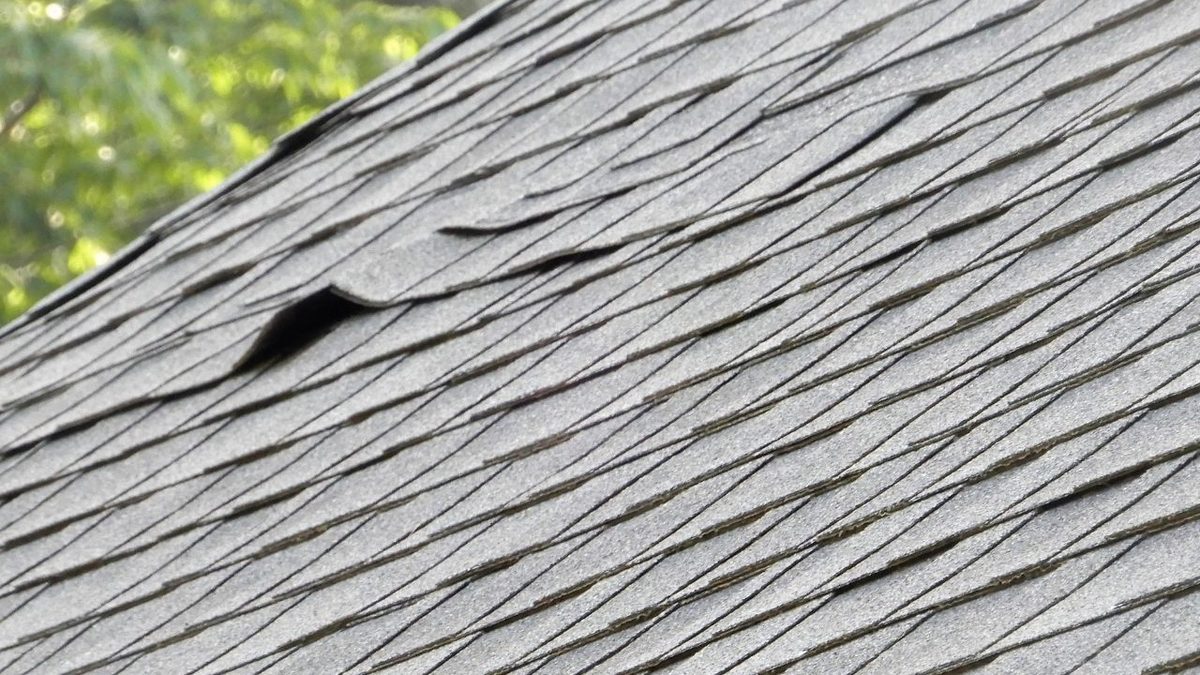
Weather events create both immediate emergency needs and long-term structural concerns requiring professional assessment. Hail can compromise shingle integrity without creating obvious leaks, while wind may lift or remove protective layers. State Farm reported a $1 billion increase in hail-related claims between 2021 and 2022.
Emergency repairs address active leaks and prevent water infiltration, causing secondary damage to interior structures. These urgent interventions typically cost between $250 and $3,200, with after-hours service commanding premium rates. Comprehensive storm response, including full replacement, ranges from $2,655 to $22,127 depending on damage extent and materials.
Who Are Storm Chasers and How Do They Operate in Fox Valley?
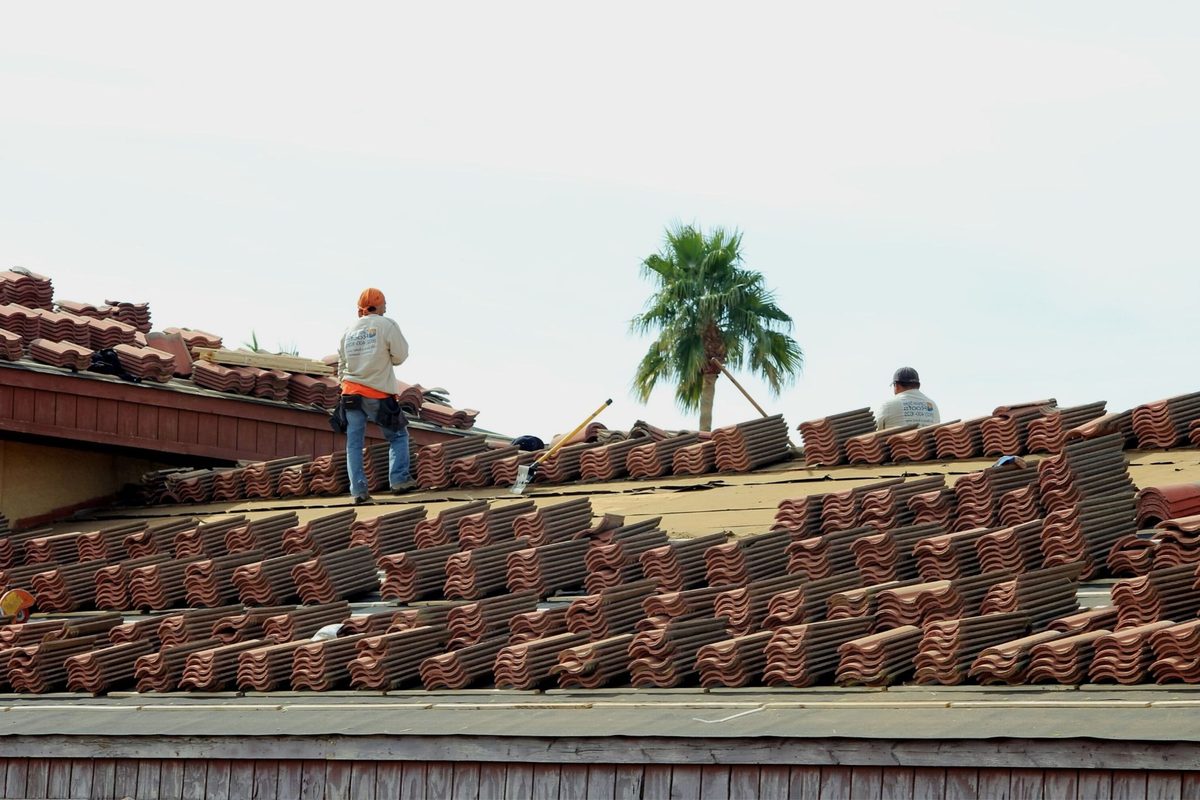
Storm chasers are out-of-town contractors who canvass neighborhoods offering immediate services following severe weather. These operators typically arrive within days of damaging storms, going door-to-door claiming to spot roof damage. Their business model prioritizes volume over quality, often completing substandard work before moving to the next affected region.
Fox Valley experiences spring storms that create predictable demand surges, attracting these transient contractors annually. Legitimate storm damage roofers maintain a year-round local presence and established reputations. Understanding how to avoid being scammed by storm chaser roofing contractors in Illinois protects homeowners from operators who disappear when warranty issues emerge.
What Are Common Roofing Services After Storm Damage?
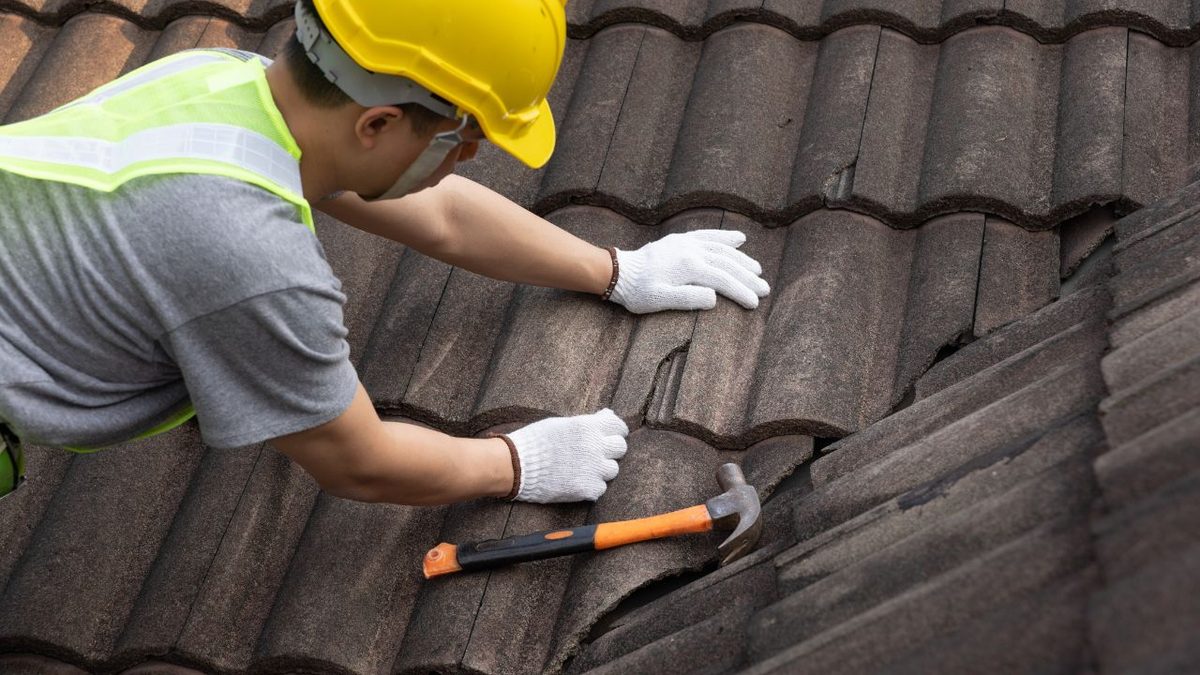
General roof repair addresses localized damage through shingle replacement and flashing repairs, costing between $600 and $3,000. This service suits homeowners with minor storm impact requiring targeted fixes rather than complete replacement. Repair work extends the existing roof's life while addressing specific vulnerabilities.
Full roof replacement becomes necessary when damage affects large areas or compromises structural integrity. Asphalt shingle replacement ranges from $6,885 to $23,993, depending on roof size and material quality. Debris removal adds $500 to $5,000 to total project costs.
What Consumer Behaviors Increase Risk of Roofing Scams?
Hasty decision-making without proper contractor vetting represents the primary behavior that increases scam vulnerability. Urgency created by active leaks or insurance claim deadlines pressures consumers to accept the first available contractor. This rushed process prevents thorough background checks and competitive bidding that protect against fraudulent operators.
Relying exclusively on door-to-door solicitations rather than proactive research eliminates verification steps that identify legitimate professionals. Homeowners who skip credential checks and accept verbal agreements lack the documentation needed for legal recourse. Recognizing bad contractor warning signs requires understanding normal industry practices versus suspicious deviations.
How Do Homeowners Typically Choose Roofing Contractors?
Word-of-mouth recommendations from trusted neighbors and family influence 74% of homeowners selecting roofing contractors. This method works well when the referral source has directly experienced the contractor's work quality. Personal recommendations provide insights into communication, workmanship, and warranty fulfillment that online research cannot capture.
Online search and review platforms guide 54% of homeowners researching Fox Valley roofing options and comparing contractor credentials. Outstanding online reviews influence 92% of homeowners toward specific companies. Repeat business from satisfied customers accounts for 62% of contractor selection.
What Roofing Materials and Service Types Are Most Common After Storms?
Asphalt shingles hold 58.6% of the total roofing market volume, with 69% of homeowners currently having this material. This dominance reflects asphalt's balance of affordability, performance, and established installation practices. Storm damage to asphalt roofs typically involves shingle loss, granule displacement, and seal failure from wind uplift.
Metal roofing and thermoplastic polyolefin membranes represent growing alternatives, with TPO showing 6.79% annual growth primarily in commercial applications. These materials offer enhanced durability but require specialized installation expertise, not universal among contractors.
How Do Urgency and Insurance Claims Impact Decision-Making?
Active water infiltration creates legitimate urgency requiring immediate temporary repairs to prevent escalating damage. Emergency tarping and initial leak stoppage justify premium pricing, with surcharges ranging from 20% to 50% above standard rates. However, scammers manufacture artificial urgency by claiming limited-time pricing or suggesting neighbors are scheduling work immediately.
Insurance claim processes add complexity that fraudulent contractors exploit by offering to handle all communication with adjusters. Homeowners expecting work to commence within two weeks create pressure that benefits scammers promising immediate service. Legitimate contractors meet this timeline 88% of the time while maintaining proper permitting and material procurement standards.
Which Red Flags Indicate a Potential Roofing Scam?
Unsolicited door-to-door offers following storms represent the most common initial contact method used by fraudulent roofing contractors. These operators claim to have spotted damage from the street and offer free inspections without the homeowner's request. Some scammers intentionally cause minor damage during inspections to justify unnecessary repairs.
High-pressure sales tactics create an artificial urgency signal that contractors prioritize quick agreements over homeowner interests. Legitimate professionals provide detailed written estimates and allow time for consideration and competitive bidding. Pressure to sign immediately prevents verification steps necessary to hire trustworthy roofer candidates with proper credentials.
What Sales Tactics Suggest a Scam?
Out-of-state license plates and the absence of permanent local business addresses indicate transient operators lacking community accountability. These contractors often work from temporary parking lots or provide only mobile phone contact without physical offices. Their business model assumes rapid departure before warranty issues or workmanship complaints emerge.
Claiming to notice damage invisible to homeowners creates dependency on the contractor's supposedly expert assessment without independent verification. Some operators point to normal wear as severe structural problems requiring immediate, expensive intervention. Forcing homeowners to use specific public adjusters creates conflicts of interest that inflate claims and generate fraudulent billing.
How to Identify Licensing, Insurance, or Contract Issues?
Failing to provide proof of state licensing represents immediate disqualification for any roofing contractor operating in Illinois. The Illinois Department of Financial and Professional Regulation requires roofers to maintain valid licenses verifiable through their online database. Contractors unable or unwilling to produce license numbers and insurance certificates lack the most basic legitimacy markers.
Refusing to provide written estimates or contracts eliminates legal protections homeowners need when disputes arise. Verbal agreements cannot be enforced and leave no documentation of promised materials, timelines, or pricing. Key information every roof estimate and contract should have includes itemized costs and specific material specifications.
What Pricing and Payment Patterns Are Suspicious?
Demanding full payment before work begins contradicts industry standards and eliminates contractor's incentive to complete quality work. Standard deposits range from 10% to 30% of total project costs, with remaining payments tied to milestones. Full upfront payment often precedes contractor disappearance or abandonment of partially completed projects.
Suspiciously low bids significantly below market averages suggest either inferior materials or plans to add hidden fees later. These lowball estimates secure contracts from price-focused homeowners who later face unexpected costs for "necessary" upgrades. Offering to waive insurance deductibles constitutes fraud through claim inflation, with the FBI estimating $1 billion annually paid on fraudulent roof claims.
How Can Homeowners Verify a Roofer's Credentials and Reputation?
Illinois requires roofers to maintain licensing through the Illinois Department of Financial and Professional Regulation, with credentials verifiable online. This state database provides current license status, issue dates, and disciplinary actions. Homeowners should verify licensing before allowing property access or accepting estimates.
Requesting certificates of liability and workers' compensation insurance protects homeowners from financial liability if contractors suffer injuries on the property. These documents should list the homeowner's address as the covered job site and show current coverage dates. The Better Business Bureau provides complaint histories and ratings reflecting contractor reliability.
Where to Check State Licensing and Insurance Validity?
The IDFPR website allows consumers to search contractor licenses by name or license number, confirming current active status. This verification takes minutes but prevents engagement with unlicensed operators who cannot legally perform roofing work in Illinois. License checks also reveal any disciplinary history or consumer complaints filed through official channels.
Insurance certificates should come directly from the insurance carrier rather than photocopies to prevent forgery. Certificates must specify both general liability coverage protecting against property damage and workers' compensation covering employee injuries. Following an Illinois roofing contractor checklist ensures comprehensive credential verification before contract signing.
How Important Are Local Presence and Online Reviews?
Established local presence provides accountability that transient storm chasers cannot match, as contractors value their community reputation. Businesses operating locally for decades maintain physical offices, employ local workers, and depend on referrals from satisfied customers. This investment in community standing incentivizes quality work and responsive warranty service.
Online reviews across multiple platforms reveal patterns in contractor performance, communication quality, and problem resolution. Consistent positive feedback spanning years indicates reliable service, while sudden review clusters following storms may signal manufactured testimonials. Homeowners should verify reviewers are actual customers by checking project-specific details in comments.
What Questions Should Be Asked During Contractor Vetting?
Homeowners should obtain at least three written itemized estimates, breaking down material costs, labor expenses, and contingency allowances separately. This comparison reveals pricing consistency and helps identify suspiciously low bids, suggesting inferior materials or hidden fees. Estimates should specify exact shingle brands, underlayment types, and warranty terms.
Questions about project timeline, crew size, and debris removal responsibility clarify expectations and prevent misunderstandings. Contractors should explain their process for protecting landscaping, managing job site cleanliness, and coordinating with local permitting authorities. Vague responses to straightforward questions suggest a lack of professional standards.
What Is the Proper Process for Managing Insurance and Roofing Repairs?
Homeowners should contact their insurance company directly to request an adjuster assessment before engaging contractors for storm damage. This independent evaluation establishes baseline damage documentation and coverage eligibility without contractor influence. Adjusters provide initial damage estimates that homeowners can compare against contractor bids to identify significant discrepancies.
Contractors should not represent homeowners during insurance claims or communicate directly with adjusters without explicit homeowner authorization. This separation prevents conflicts of interest where contractors inflate damage assessments to maximize billing. Understanding Illinois insurance claims for roof damage helps homeowners maintain control over the process.
How Should Homeowners Handle Insurance Adjusters and Claims?
Direct communication between homeowners and adjusters ensures claim accuracy and prevents third-party manipulation of damage assessments. Homeowners should document all damage with photographs and written descriptions before repairs begin. This documentation becomes crucial if disputes arise about coverage scope or payment amounts.
Adjusters may initially provide conservative estimates that contractors can supplement with detailed bids showing additional necessary work or code compliance upgrades. Homeowners should review all documentation carefully and ask questions about coverage exclusions or deductible applications. Maintaining organized records of all communications, estimates, and claim documents supports successful resolution.
Why Should Contractors Not Represent the Homeowner During Insurance Claims?
Contractors hired to perform repairs have financial incentives to maximize job scope and total billing that conflict with homeowner interests. This inherent conflict means contractors representing homeowners during claims may advocate for unnecessary work or inflated pricing. Insurance companies recognize this dynamic and may scrutinize claims more heavily when contractors control communication.
Homeowners retaining control over insurance communications can independently evaluate whether recommended repairs address actual storm damage versus general maintenance needs. Contractors should provide technical expertise through detailed estimates and damage documentation without directly negotiating with insurance representatives.
How to Avoid Deductible Waivers and Fraudulent Practices?
Insurance deductible waivers offered by contractors constitute fraud through claim inflation to offset the waived amount illegally. These practices increase overall insurance costs for all policyholders and may expose homeowners to policy cancellation or legal action. Fraud occurs in approximately 10% of all property-casualty insurance losses.
Legitimate contractors explain deductible obligations clearly and structure payment schedules that account for homeowner out-of-pocket costs after insurance payments. Homeowners should report any contractor suggesting deductible waivers to their insurance company and state regulatory authorities. Understanding storm damage to your roof and what Illinois residents should do next includes recognizing these fraudulent schemes.
How to Structure a Safe Roofing Contract and Payment Schedule?
The Illinois Home Repair and Remodeling Act requires written contracts for repair work costing more than $1,000, establishing minimum consumer protection standards. These legally mandated contracts must specify materials, timelines, payment terms, and cleanup responsibilities in clear written language. Homeowners should never sign contracts with blank sections or verbal promises not reflected in writing.
Payment schedules should tie fund disbursement to specific project milestones rather than calendar dates. Standard initial deposits range from 10% to 30% of the total project cost, with subsequent payments following material delivery and work phase completion. Withholding final payment until job completion and satisfaction inspection provides leverage, ensuring contractor accountability.
What Contract Elements Are Required by Illinois Law?
Contracts must comply with Illinois Home Repair and Remodeling Act provisions protecting consumers from fraudulent contractor practices. Required elements include contractor business name and address, detailed work descriptions, total price, and projected completion timeline. The law also mandates contractors provide a "Home Repair: Know Your Rights" pamphlet explaining consumer protections.
Homeowners have the right to cancel contracts within three business days if signed based on a contractor's home visit. In disaster situations where insurance denies coverage, cancellation rights extend to five days following denial notification. These cooling-off periods protect consumers from high-pressure sales tactics.
How Much Deposit Is Reasonable and When to Make Payments?
Never paying the full amount upfront protects homeowners from contractor abandonment and provides an incentive for quality work completion. Standard deposits between 10% and 30% cover initial material procurement while leaving a substantial balance, motivating timely professional completion. Excessive deposit requests exceeding 30% suggest cash flow problems or fraudulent intent.
Subsequent payments should follow clear milestones such as material delivery, tear-off completion, and underlayment installation. Each payment should correspond to verifiable work progress that homeowners can inspect before authorizing fund release. Withholding final payment until all debris removal and cleanup is completed gives homeowners final quality assurance leverage.
What Are Standard Warranties and Workmanship Guarantees?
Demanding written workmanship warranties protects homeowners from installation defects that may emerge after project completion. Industry standard warranties span 10 years or more for labor and installation quality, separate from manufacturer material warranties. These guarantees should specify coverage scope and the process for requesting warranty service.
Manufacturer warranties on shingles and roofing materials typically range from 25 to 50 years, depending on product quality. Homeowners should verify that contractors are certified installers for specified materials to ensure manufacturer warranties remain valid. Understanding roofing warranties and what Illinois homeowners should look for prevents future coverage disputes.
What Are Established Alternatives to Storm Chaser Contractors in Fox Valley?
Trusted local Fox Valley roofing contractors maintain decades-long community presence and established reputations verifiable through multiple sources. These companies invest in local employment, maintain permanent office facilities, and depend on referrals from satisfied customers. Their longevity demonstrates consistent quality work and responsive customer service that transient storm chasers cannot match.
Established contractors typically hold certifications from major manufacturers and maintain Better Business Bureau accreditation, reflecting a commitment to professional standards. These credentials require ongoing training, insurance maintenance, and adherence to manufacturer installation specifications. Local presence enables prompt warranty service and emergency response when unexpected issues arise.
Who Are Trusted Local Fox Valley Roofing Contractors?
Klemm Exteriors has served Fox Valley and Chicagoland for over 31 years. Davis Roofing Inc operates with over 60 years of experience in the Chicagoland area. Advanced Roofing has provided services to Naperville, Aurora, and Yorkville for over 30 years with manufacturer certifications.
Stanley Roofing Chicago has operated in the Aurora area since 1999. These companies maintain physical offices, employ local crews, and carry comprehensive insurance protecting both workers and homeowners. Their established presence means homeowners can locate them for warranty service years after project completion.
How Do National Roofing Brands Support Local Work?
National manufacturers like GAF, Owens Corning, and CertainTeed operate certified contractor networks, ensuring installation quality meets product warranty requirements. These certification programs require contractors to demonstrate technical expertise, maintain insurance coverage, and satisfy customer service standards through regular audits. Manufacturer backing provides additional consumer protection beyond individual contractor warranties.
Certified contractors access extended warranties unavailable to non-certified installers, creating additional value for homeowners choosing qualified professionals. These partnerships connect homeowners with contractors meeting manufacturer-verified standards rather than relying solely on contractor self-representation.
Why Is Hiring Local Important for Storm Damage Repairs?
Local contractors maintain reputation stakes in communities where they live and conduct business, incentivizing quality work and responsive service. These businesses depend on word-of-mouth referrals and repeat customers, making customer satisfaction their primary marketing strategy. Permanent local presence enables quick emergency response and reliable warranty service when issues arise years after installation.
Community investment through local employment and business relationships demonstrates contractor commitment beyond individual projects. Homeowners can visit physical offices, meet staff members, and inspect completed projects nearby when vetting local contractors. Understanding why you should always work with a local roofer highlights accountability advantages over transient operators.
Red Flags and Consumer Protections for Hiring Roofers After Storm Damage in Fox Valley
Storm damage creates legitimate urgency requiring roof repairs, but homeowners must balance speed with thorough contractor vetting to avoid scams. Recognizing roofer hiring red flags, including unsolicited offers, pressure tactics, and credential deficiencies protects against fraudulent operators exploiting disaster situations. Illinois law provides specific consumer protections through licensing requirements and mandatory written contracts that homeowners should understand and enforce.
Working with established local contractors rather than transient storm chasers provides accountability and quality assurance, protecting long-term property value. Proper credential verification, multiple competitive estimates, and adherence to payment milestone schedules create safe contracting frameworks. Advanced Roofing Inc. has served the Fox Valley region for over 30 years, maintaining GAF Master Elite and CertainTeed ShingleMaster certifications that demonstrate a commitment to industry-leading standards.
Taking time to verify credentials and structure proper contracts prevents costly mistakes that affect thousands of homeowners annually following severe weather. Professional storm damage assessment and quality repairs protect homes while maintaining insurance coverage and property values.
Work With a Fox Valley Roofer You Can Trust After Storm Damage
Storm damage is stressful enough without worrying about whether your contractor is legitimate. Advanced Roofing Inc. has served Fox Valley homeowners for over 30 years — fully licensed, GAF Master Elite® certified, CertainTeed ShingleMaster™ certified, and BBB A+ accredited. No door-to-door pressure. No deductible waiver schemes. Just honest assessments, transparent estimates, and repairs done right.
Need expert help managing your storm damage insurance claims? Contact Advanced Roofing Inc. for a comprehensive damage assessment and transparent repair estimate backed by three decades of trusted local service.