Severe weather causes significant property damage across Illinois each year, making hail damage roof repair in Illinois a critical concern for homeowners. Understanding repair costs, insurance procedures, and contractor selection helps protect your investment and ensures quality restoration. This guide provides essential information to navigate hail damage repairs effectively.
Illinois homeowners must balance immediate safety needs with long-term financial considerations when addressing storm damage. Knowing what to do first after hail strikes, how to document damage properly, and when to pursue repairs versus replacement determines both claim success and project outcomes.
Key Takeaways
- Hail damage repairs in Illinois average $4,250, while full roof replacements range from $20,540 to $38,577, depending on location and materials
- Proper documentation and contractor involvement during insurance inspections can increase claim payouts by 10-20%
- Repairs suit roofs under 15 years with damage covering less than 25% of the surface area
- Strategic timing during off-peak seasons saves 15-25% on planned replacement projects
- Verified licensing and transparent pricing are essential factors when selecting roofing contractors
What Is Hail Damage to Roofs and How Does It Occur?
Hail damage occurs when ice pellets strike roofing materials with sufficient force to compromise their protective layers. Severity depends on hailstone size, wind speed, roof age, and material composition. Damage ranges from minor surface bruising on asphalt shingles to complete penetration of metal panels or tile breakage.
Impact patterns vary based on storm trajectory and local wind conditions during the event. Concentrated damage typically appears on roof slopes facing the direction of hailstone approach.
Common Types of Hail Damage on Roofing Materials
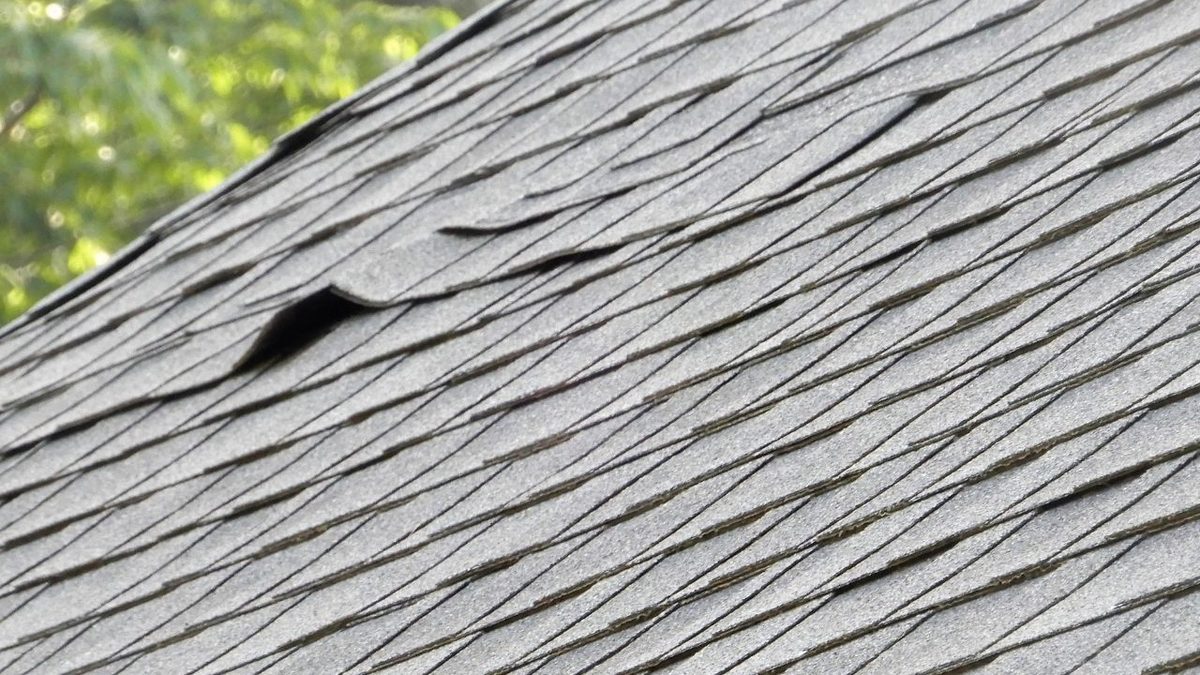
Asphalt shingles exhibit granule loss, exposed felt backing, and circular bruising where impacts dislodge protective mineral coatings. These vulnerable spots accelerate weathering and allow moisture infiltration. Metal roofs show denting that compromises water runoff patterns and aesthetic appearance.
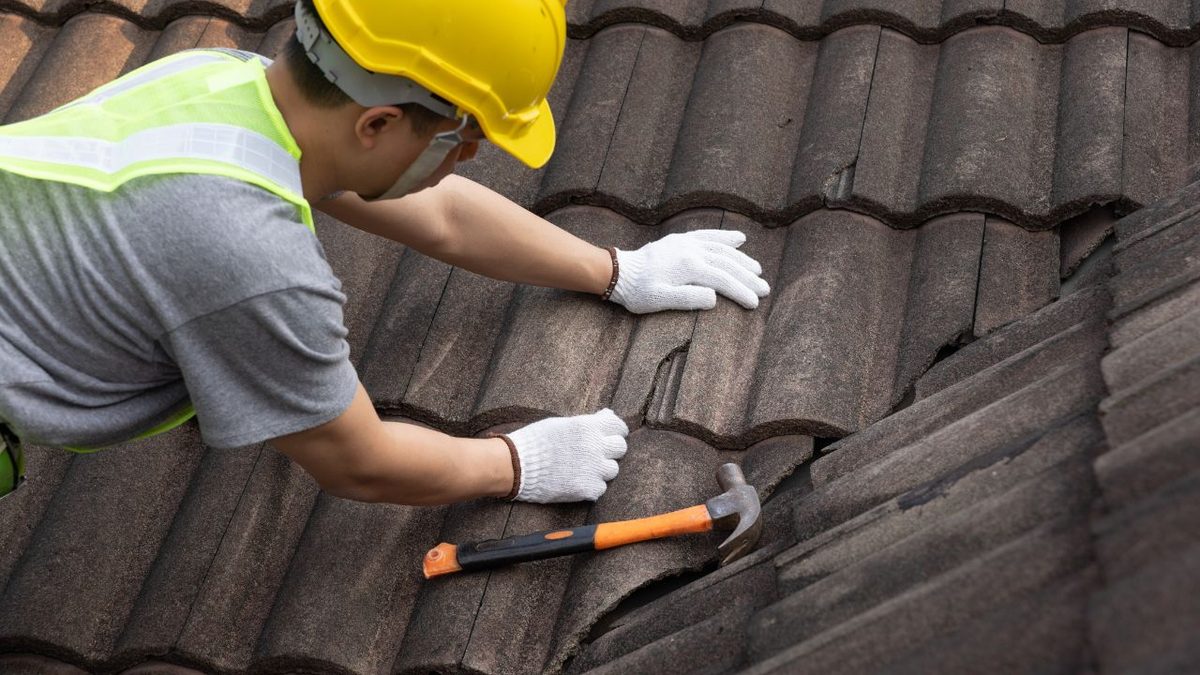
Tile and slate materials crack or shatter on impact, requiring individual piece replacement. Flashing and ventilation components often sustain damage that creates immediate leak points.
How to Identify Hail Damage on Asphalt Shingles and Metal Roofs
Take baseline photos of your roof before storm season to establish pre-existing condition documentation. These reference images prove invaluable during insurance evaluations when distinguishing new damage from prior wear. Document damage from ground level following severe weather using telephoto capabilities on smartphones or cameras.
Professional inspectors identify subtle indicators invisible from ground level, including mat fractures beneath intact granule surfaces. Circular impact marks on metal surfaces and broken seal strips on shingles indicate damage requiring immediate attention.
Differences Between Repair and Replacement Needs After Hail Damage
Repairs are recommended when the roof is less than 15 years old, and damage covers less than 25% of the surface area. Targeted section replacement preserves functional areas while addressing compromised zones cost-effectively.
Full replacements become necessary when roofs are near the end of their material lifespan or structural damage is present. Decking deterioration, widespread granule loss, or compromised underlayment justify complete system replacement. Insurance adjusters and contractors collaborate to determine whether repairs or replacement better serve long-term property interests.
How Much Does Illinois Hail Damage Roof Repair Cost?
The repair cost estimate in Illinois depends on the extent of damage, material type, and regional labor rates. The state's construction cost multiplier of 1.10 times the national baseline reflects higher material transport costs and prevailing wage requirements. Chicago area projects carry a 1.17 multiplier due to urban logistics and specialized labor demands.
Material selection significantly influences both immediate repair expenses and long-term replacement costs. Regional variations within Illinois create substantial cost differences between urban and suburban markets.
Cost Ranges for Repairs Versus Full Roof Replacement
Hail damage repairs average $4,250, with a typical range between $375 and $7,500 depending on damage severity. Minor granule loss repairs fall toward the lower end, while extensive section replacements approach upper limits. The average roof replacement in Chicago costs $20,540, while the Illinois statewide average reaches $24,319.
Premium suburban markets demonstrate higher replacement costs due to larger home sizes and material preferences. The average roof replacement in Naperville totals $38,577, with project costs ranging from $11,022 to $66,132. These elevated figures reflect complex architectural features and homeowner preference for architectural shingles or metal roofing.
Impact of Material Selection on Repair Costs
Basic asphalt three-tab shingles cost between $4.25 and $4.95 per square foot in budget installations. Mid-range projects using the same material reach $6.00 to $8.00 per square foot with enhanced underlayment. Architectural asphalt shingles command premium pricing between $15.00 and $18.00 per square foot for high-end installations.
Metal roofing mid-range installations cost $12.00 to $15.00 per square foot, offering superior longevity, justifying a higher initial investment. Slate tiles represent the premium category at $35.00 to $40.00 per square foot.
Regional Cost Variations in Illinois and Naperville
Illinois maintains a construction cost multiplier of 1.10 times the national baseline for roofing projects. The Chicago area increases this to 1.17 times due to higher operational expenses. The Illinois average roofer salary of $70,110 annually contributes to elevated labor components in project estimates.
Naperville's affluent demographic and larger average home sizes drive costs substantially above state averages. Homeowners in this market typically select premium materials and complex architectural details requiring specialized installation techniques. Naperville roof repair services address these unique market characteristics with appropriate material and labor considerations.
What Should Homeowners Know About Filing Hail Damage Insurance Claims?
The insurance claim process for hail damage involves specific documentation requirements and strategic timing considerations. Proper evidence collection and professional assessment establish claim validity and scope.
Contractor involvement during the claims process ensures technical accuracy in damage assessment. Experienced professionals identify hidden damage and proper repair requirements that untrained eyes miss.
Steps to Document and Report Roof Damage Effectively
Schedule a professional inspection immediately after storm damage to identify all compromised areas before secondary damage occurs. Contractors trained in hail damage assessment locate subtle indicators like mat fractures and seal failures. Photographic documentation from roof level provides insurance companies with clear evidence supporting claim submissions.
Ground-level photos establish initial damage patterns, while close-up images reveal specific shingle impacts and material failures. Video walkthroughs document damage distribution across the entire roof surface.
How Roofing Contractors Support the Insurance Claim Process
Having your roofing contractor present during the insurance adjuster visit ensures complete damage identification. Contractors explain technical aspects of required repairs and identify code compliance requirements that the adjuster might overlook. This professional advocacy prevents claim underpayment due to incomplete damage assessment.
Experienced contractors provide detailed scope-of-work documents outlining all necessary repairs with associated costs. Understanding how Illinois insurance claims for roof damage work helps homeowners maximize their coverage benefits.
Maximizing Insurance Payouts Through Proper Damage Assessment
Insurance payouts for significant hail damage average $12,000 across the country for qualifying claims. Collaborative approaches between contractors and adjusters can increase approved claim amounts by 10-20% through thorough documentation. State Farm alone paid over $3.8 billion in hail damage claims nationally during 2024.
Complete damage inventories, including gutters, flashing, and ventilation components, ensure nothing gets overlooked during adjuster evaluations. This expertise proves particularly valuable when preparing for storms and understanding premium roof protection.
When Is Roof Repair Sufficient Compared to a Full Roof Replacement?
Determining repair versus replacement suitability requires evaluating multiple factors, including age, damage extent, and structural integrity. Cost comparisons must account for both immediate expenses and long-term value considerations.
Emergency situations demand immediate response regardless of optimal timing, while planned replacements allow strategic scheduling advantages. Professional assessment provides the technical foundation for these critical choices.
Age and Condition Criteria Influencing Repair Decisions
The average age of roofs at replacement is approximately 19 years, though material type significantly affects this benchmark. Roofs under 15 years old with damage covering less than 25% of the surface area typically qualify for targeted repairs. Older roofs nearing material lifespan limits benefit more from complete replacement, even with moderate damage.
Material condition beyond storm damage influences repair feasibility, as widespread granule loss or curling shingles indicate systemic failure. Comprehensive roof repair approaches consider these multiple condition factors when recommending appropriate interventions.
Structural Damage and Its Effect on Replacement Needs
Decking deterioration from moisture intrusion requires structural repairs before new roofing materials can be installed effectively. Sagging or soft spots indicate compromised framing members demanding immediate attention to prevent collapse risks.
Water staining on interior ceilings or attic spaces reveals active leaks requiring urgent intervention. Mold growth on decking or insulation indicates prolonged moisture exposure, demanding comprehensive remediation.
Emergency Repair Versus Planned Roof Replacement Considerations
Emergency repairs are reactive, addressing immediate leaks or sudden storm damage requiring urgent intervention. These situations often occur during peak season when contractor availability is limited and pricing is highest.
Planned replacements save 15-25% compared to emergency scenarios through strategic timing and competitive bidding. Off-season scheduling during fall or winter months yields an additional 15-25% savings versus peak season pricing. Delaying necessary repairs can add $2,000 to $8,000 to final project costs through progressive structural damage.
What Are the Best Practices for Hiring Roofing Contractors in Illinois?
Contractor selection determines project quality, warranty validity, and long-term satisfaction with repair outcomes. Verification processes protect homeowners from unlicensed operators and substandard workmanship.
Pricing transparency and reputation validation provide essential contractor evaluation criteria. Timing considerations affect both project cost and contractor availability during different seasons.
Verifying Licensing and Permitting Requirements
Minor repairs covering less than 25% of the roof surface typically do not require permits in Illinois. Full replacements and structural modifications mandate municipal permits costing between $50 and $300. Unlicensed work can lead to fines, voided warranties, and property sale complications.
Contractors must hold valid Illinois roofing licenses demonstrating technical competency and insurance coverage. Choosing licensed roofing contractors in Illinois prevents costly mistakes and ensures code-compliant installations.
Evaluating Contractor Reputation and Pricing Transparency
Word-of-mouth recommendations influence 74% of homeowner contractor selections, demonstrating trust's importance in hiring decisions. Transparent pricing on contractor websites matters to 65% of homeowners researching roofing services.
Online reviews and Better Business Bureau ratings provide independent verification of contractor performance and customer satisfaction. Detailed written estimates outlining material specifications, labor costs, and project timelines prevent misunderstandings. Comparing roof repairs versus replacement options requires transparent pricing information from multiple qualified contractors.
Scheduling and Timing Factors That Affect Project Cost
Contractor availability meets homeowner expectations when 88% commence work within two weeks of quote acceptance. Peak season brings the highest prices and longest wait times due to concentrated demand.
Spring and summer represent peak demand periods with premium pricing and limited contractor availability. Fall installations before winter weather offer optimal conditions and moderate pricing. Winter projects carry the lowest costs, but weather delays and material handling challenges require careful consideration.
How Are Asphalt Shingles and Metal Roofs Manufactured and Installed?
Manufacturing processes determine material durability, weather resistance, and performance characteristics affecting long-term value. Installation techniques influence system integrity and warranty validity.
Material lifespan varies dramatically based on manufacturing quality and installation precision. These factors justify the price differences between budget and premium material categories.
Asphalt Shingle Production and Performance Features
Three-tab shingles account for 42% of installations due to their affordability and straightforward installation. Architectural shingles represent 33% of installations, offering enhanced aesthetics and extended warranties. Asphalt shingles are installed on 69% of homes and selected for 80% of new residential roofing projects.
Fiberglass mat foundations provide lightweight, waterproof bases for hot asphalt application, ensuring weather resistance. Mineral granules embedded in the surface deliver UV protection, color retention, and fire resistance. Heat-activated sealant strips bond shingles together upon sun exposure, increasing wind resistance.
Specialized Installation Techniques for Metal Roofing
Metal roofing requires moisture barrier installation before panel placement to prevent condensation-related damage. Panels are placed using specific fasteners and clips, allowing thermal expansion and contraction without compromising weatherproofing. Eave trims, valley flashings, and ridge caps receive careful attention to ensure complete water diversion.
Proper installation technique prevents panel distortion and maintains a consistent appearance across the roof surface. Fastener placement follows manufacturer specifications to preserve warranty coverage and system integrity.
Durability and Lifespan Differences Between Roofing Materials
Basic asphalt shingles provide 20-year lifespans suitable for budget-conscious homeowners planning shorter ownership periods. Architectural asphalt shingles extend this to 30 years with enhanced weather resistance and aesthetic appeal. Metal roofing delivers 40 to 80 years of service, justifying a higher initial investment through reduced replacement frequency.
Concrete and clay tiles last over 100 years when properly maintained. Slate tiles offer 60 to 150 years of durability, representing the longest-lasting residential roofing option.
What Consumer Factors Influence Roofing Decisions in Illinois?
Consumer preferences shape market dynamics and contractor service offerings throughout the Illinois roofing industry. Demographic patterns influence spending priorities and material selections.
Understanding these consumer factors helps homeowners recognize their position within broader market trends. Material preferences and budget allocations vary significantly across age groups and geographic locations.
Homeowner Priorities and Material Preferences
Roofs rank as a top priority for 92% of homeowners regarding home maintenance investments. This prioritization reflects the roof's critical role in property protection and value preservation. Metal roofing captures 10% of the market despite higher costs due to superior durability and energy efficiency.
Asphalt shingle dominance stems from established contractor familiarity and competitive pricing structures. Premium architectural varieties gain market share as homeowners prioritize enhanced aesthetics and extended warranties.
Demographic Trends Impacting Roofing Spending and Choices
Millennials spend an average of $2,601 annually on home maintenance, exceeding other age groups. This demographic also averages $1,519 on emergency repairs, demonstrating a willingness to invest in property protection.
Baby Boomers focus on preventive maintenance, addressing minor issues before they escalate into emergency situations. Generation X homeowners balance maintenance spending between preventive and reactive approaches.
Urban Versus Suburban Market Preferences for Repairs and Replacements
Urban Chicago homeowners prefer targeted repairs 55% of the time versus 45% choosing full replacements. Space constraints, historic building considerations, and higher labor costs influence this repair preference.
Naperville suburbs show reversed preferences with 65% choosing full replacements versus 35% selecting repairs. Larger lot sizes, newer housing stock, and property value protection motivate comprehensive replacement approaches. Naperville roof replacement services address these market-specific preferences with appropriate material and service offerings.
Illinois Hail Damage Roof Repair: Balancing Costs, Claims, and Contractor Selection for Optimal Results
The Illinois roofing industry is valued at $3.7 billion in 2026, supported by 4,377 established businesses employing 8,872 workers. The Chicago-Naperville-Elgin metropolitan area has 4,510 roofing professionals serving this substantial market. Storm damage initiates 33% of all roof replacements, demonstrating severe weather's significant impact on industry activity.
Existing home roof replacements account for 85% of the roofing business, far exceeding new construction demand. This replacement-focused market creates opportunities for strategic planning when damage doesn't require emergency intervention. Understanding roof damage steps from initial documentation through contractor selection and insurance coordination ensures optimal outcomes.
Successful hail damage management begins with immediate professional assessment and thorough documentation. Strategic contractor selection based on licensing verification, reputation validation, and pricing transparency protects homeowners from substandard work. Insurance claim optimization through collaborative adjuster meetings and complete damage inventories maximizes available coverage benefits.
Material selection balances immediate budget constraints with long-term value considerations and aesthetic preferences. Timing decisions leverage seasonal pricing variations and contractor availability to reduce costs while maintaining quality standards.
Homeowners who prioritize verified expertise and transparent processes achieve superior results compared to price-focused selection approaches. Quality materials installed by licensed professionals with established reputations ensure warranty validity and performance guarantees. Advanced Roofing Inc. has served Chicagoland communities for over 30 years, maintaining GAF Master Elite® status and BBB A+ accreditation while delivering the craftsmanship quality-conscious homeowners expect.
Here's a CTA section with a heading, ready to paste into the CMS:
Schedule Your Hail Damage Inspection with Advanced Roofing Inc.
Hail damage doesn't always show up on the surface. Missing granules, cracked flashing, and compromised underlayment can go undetected until water gets inside — and by then, the repair bill grows. Advanced Roofing Inc. has served Fox Valley and Chicagoland homeowners since 1994. As a GAF Master Elite® and CertainTeed ShingleMaster™ certified contractor with a BBB A+ rating, we provide thorough roof inspections, accurate damage documentation, and hands-on support through the insurance claims process.
When storm damage threatens your property, professional guidance makes the difference between adequate repairs and optimal restoration. Contact our storm damage and insurance claims specialists to schedule your comprehensive roof assessment and begin the path toward complete property protection.