Commercial roof maintenance plans provide structured inspection, repair, and documentation protocols that protect building assets from premature failure. These programs identify minor defects before they escalate into system-wide breakdowns requiring emergency intervention. Illinois property managers implementing commercial roof maintenance plans reduce total ownership costs while maintaining operational continuity.
Emergency roof repairs impose substantial financial penalties beyond the immediate fix. Urgency fees, business interruption losses, and accelerated insurance premiums combine to create six-figure expenses from single failure events. Preventive strategies address these risks through systematic oversight and timely intervention.
Key Takeaways
- Commercial roof maintenance plans prevent emergency repairs that cost 25-50% more than scheduled fixes
- A single major roof failure on a 50,000 sq ft facility can generate $180,000 in combined costs
- Preventive maintenance delivers 545% ROI by extending roof lifespan and avoiding premature replacement
- Illinois contractors use infrared scans and bi-annual inspections to identify problems before they escalate
- TPO, EPDM, and PVC membranes each require specific maintenance approaches based on facility type
What Are Commercial Roof Maintenance Plans?
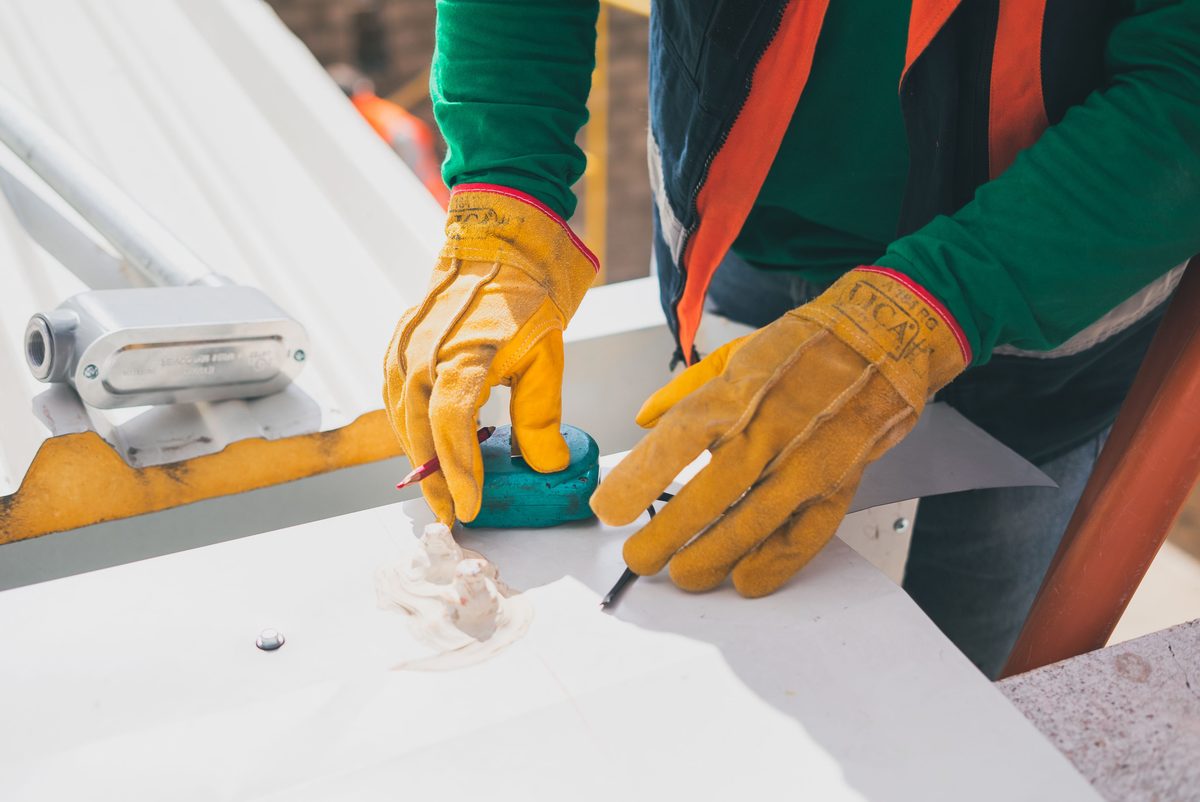
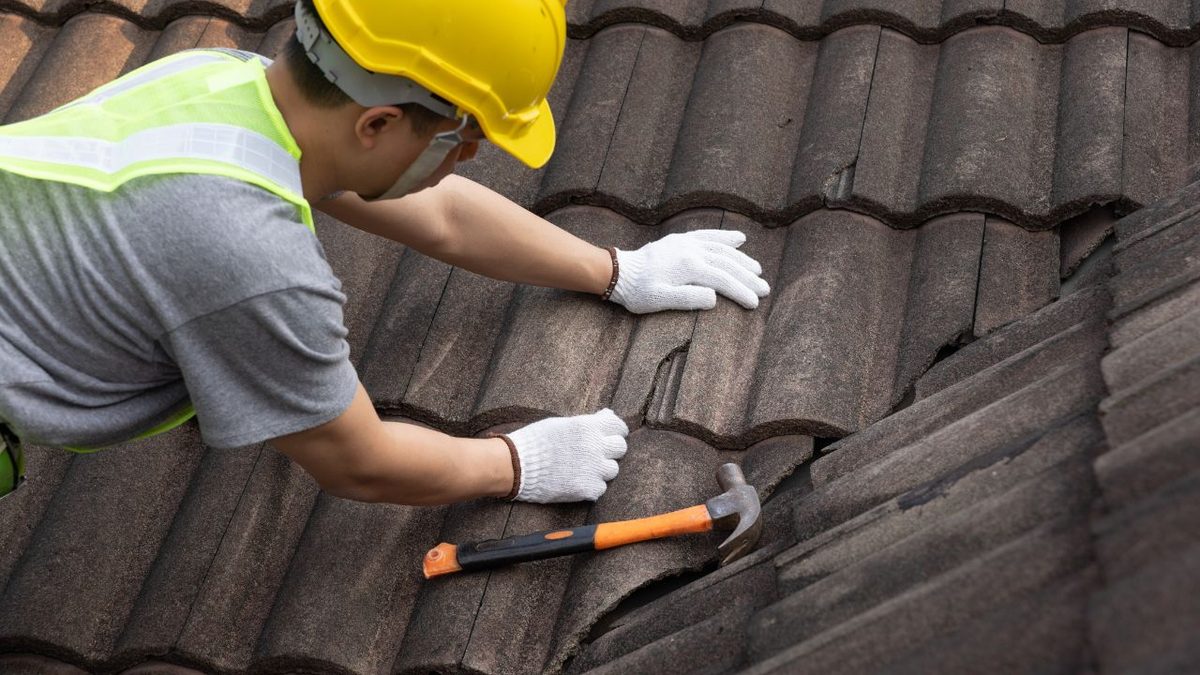
Commercial roof maintenance plans establish scheduled inspection and repair protocols that identify problems before they require emergency response. These programs document baseline conditions, track deterioration patterns, and coordinate timely interventions that maximize system lifespan. Professional maintenance contracts typically include bi-annual assessments, priority repair scheduling, and detailed reporting.
Structured maintenance eliminates reactive decision-making that generates premium costs during crisis situations. Property managers gain predictable budgets and extended equipment performance through consistent oversight. The importance of having a commercial roof maintenance plan becomes clear when comparing planned intervention costs against emergency repair premiums.
What Do Maintenance Plans Include?
Maintenance plans begin with comprehensive baseline inspections that document current roof conditions using infrared moisture detection technology. These initial assessments identify hidden water intrusion, membrane degradation, and structural concerns requiring immediate attention. Thermal imaging reveals trapped moisture within insulation layers before interior damage becomes visible.
Professional roof inspection schedule commercial programs coordinate spring assessments to evaluate winter damage from freeze-thaw cycles and snow loads. Fall inspections verify pre-winter preparation, including drainage functionality, flashing integrity, and membrane adhesion. These seasonal evaluations prevent small defects from expanding during harsh weather periods.
How Do Maintenance Plans Prevent Emergency Repairs?
Emergency roofing services carry 25-50% cost premiums over routine repairs due to contractor availability constraints and accelerated scheduling requirements. Urgency fees add $300 to $1,500 on top of standard repair costs for after-hours mobilization and expedited material procurement.
Preventive maintenance programs deliver 545% return on investment through a 4:1 cost-benefit ratio compared to reactive approaches. Property managers save up to 30% on repair costs while extending asset lifespans by 20% through consistent monitoring. These financial outcomes result from addressing minor issues before they compromise system integrity.
What Are Common Roofing Materials Covered?
Single-ply membranes dominate commercial roofing installations across Illinois due to proven performance and cost efficiency. These systems account for 88% of commercial contractor revenue. TPO holds 40% market share in new construction for low slope applications due to heat-welded seam strength and reflective properties.
EPDM maintains 22% market share through proven durability in cold climates and straightforward repair procedures. PVC holds approximately 15% market share in facilities requiring exceptional chemical resistance, like food processing plants. Each membrane type requires specific maintenance approaches to maximize expected service life.
Why Is Preventive Maintenance Critical for Illinois Commercial Roofs?
Illinois commercial properties face accelerated roof deterioration from freeze-thaw cycles, heavy snow loads, and temperature fluctuations exceeding 100 degrees annually. These climate stresses compromise membrane adhesion, crack flashing details, and overload drainage systems without regular monitoring. Deferred maintenance allows minor defects to cascade into structural problems requiring complete system replacement years ahead of expected lifespan.
Preventive strategies directly address weather-related vulnerabilities through seasonal inspection timing and targeted repairs. Best practices in commercial roof management emphasize systematic approaches over reactive responses.
What Are the Risks of Deferred Roof Maintenance?
A single major failure event on a 50,000 sq ft facility generates $180,000 in combined costs, including immediate repairs and consequential damages. Emergency repair expenses reach $45,000 due to premium labor rates and expedited material procurement. Interior damage adds $12,000 from destroyed inventory, equipment, and tenant improvements.
Business interruption costs escalate to $80,000 from operational downtime, tenant relocation, and revenue losses. Insurance premium increases over five years add $18,000 to facility operating costs following major claims. These cumulative expenses far exceed the cost to prevent emergency repairs that Illinois property managers face through scheduled maintenance programs.
How Does Illinois Climate Affect Roof Durability?
Illinois experiences temperature swings from -20°F winter lows to 100°F summer highs that expand and contract roofing materials cyclically. These movements stress membrane seams, crack sealant joints, and loosen fastener attachments. Heavy snow accumulation creates sustained loads exceeding design specifications when drainage systems become blocked with ice.
Freeze-thaw cycles deteriorate flashing details and parapet walls through repeated moisture expansion within masonry joints. Spring storms deposit debris that blocks scuppers and internal drains, creating ponding water that accelerates membrane aging. Illinois-specific maintenance strategy roofing approaches account for these regional challenges through targeted inspection focus areas.
What Is the ROI of Scheduled Roof Maintenance?
Planned maintenance for a 50,000 sq ft facility costs $10,000 to $20,000 annually over a 20-year operational period. Total maintenance investment reaches $160,000 for comprehensive care, including minor repairs and systematic upgrades. This proactive approach delivers the full expected lifespan from properly maintained roofing systems.
Reactive repair strategies generate $72,000 in emergency interventions over 15 years before requiring premature replacement. Early system failure necessitates $400,000 in unplanned capital expenditure five years ahead of schedule. Combined reactive costs total $472,000, demonstrating a clear financial advantage for preventive programs.
Which Roofing Materials Are Most Common in Illinois Commercial Buildings?
Material selection significantly impacts maintenance requirements, lifecycle costs, and performance expectations for Illinois commercial properties. Single-ply membranes offer proven reliability across diverse building types with established repair procedures. Metal roofing provides exceptional longevity for facilities prioritizing minimal maintenance.
Each roofing system presents specific advantages aligned with building use patterns, budget constraints, and operational priorities. EPDM vs. TPO: Which flat roofing material suits your Illinois property provides a detailed comparison of the dominant membrane options.
What Are the Features of TPO Roofing?
TPO is a thermoplastic single-ply membrane manufactured in white or light reflective colors that reduce cooling loads. Heat-welded seams create watertight bonds stronger than the base membrane. TPO price ranges from $6.00 to $10.00 per square foot in Illinois, including professional installation.
Warehouses, retail plazas, and office buildings commonly specify TPO for cost-effective energy performance. TPO quality varies significantly by manufacturer, requiring careful product selection and certified installer verification. This membrane offers less chemical resistance than PVC, limiting applications in facilities with airborne contaminants.
How Does EPDM Compare for Illinois Facilities?
EPDM is a synthetic rubber roofing membrane that regularly lasts 25-30+ years in cold climates. This material demonstrates exceptional weather resistance and straightforward repair procedures using compatible adhesives. EPDM price ranges from $5.50 to $8.50 per square foot in Illinois.
Industrial buildings, manufacturing facilities, and cold-climate properties commonly select EPDM for proven durability. EPDM seams rely on adhesives rather than heat welding, creating potential vulnerability at connection points. Traditional black EPDM absorbs solar heat, though white versions are available for improved energy efficiency.
When Is PVC or Metal Roofing Preferred?
PVC membranes are engineered for exceptional durability and chemical resistance in demanding environments. This premium material often exceeds 30 years of performance when properly maintained. PVC price ranges from $8.00 to $12.00 per square foot in Illinois.
Food processing plants, restaurants, airports, and hospitals specify PVC for superior fire resistance and seam strength. Metal roofing costs $10.00 to $18.00 per square foot while delivering a 50+ year service life. Metal systems provide excellent platforms for solar integration and require minimal ongoing maintenance.
How Do Building Owners Choose Commercial Roofing Contractors?
Contractor selection directly impacts project outcomes, warranty validity, and long-term maintenance requirements for commercial roofing investments. Illinois property managers prioritize proven track records over low-bid pricing. Comprehensive evaluation processes verify technical competency, financial stability, and operational capacity before contract execution.
Quality contractors demonstrate manufacturer certifications, comprehensive insurance coverage, and an established local presence. These credentials indicate commitment to industry standards and access to premium warranty programs. Illinois roofing contractor checklist: What to look for when hiring experts outlines essential verification steps.
What Contractor Qualifications Matter in Illinois?
Licensing and insurance verification confirm contractors maintain required state credentials and adequate liability protection for commercial projects. Valid coverage protects property owners from financial exposure during construction activities and post-installation claims. Documentation review should verify workers' compensation, general liability, and completed operations coverage at appropriate limits.
Local experience in the Illinois climate demonstrates contractor familiarity with regional challenges, including freeze-thaw durability and snow load management. Manufacturer certifications from major suppliers like GAF, Carlisle, or Firestone indicate advanced training and access to extended warranty programs.
How Do Warranties Impact Contractor Selection?
Comprehensive warranties covering both materials and workmanship protect long-term asset value through guaranteed performance periods. Manufacturer warranties extend up to 30 years for membrane materials when installed by certified contractors. Workmanship guarantees typically span 10 years, covering installation defects and labor-related failures.
Premium warranty programs require specific contractor certifications and installation protocols that ensure consistent quality standards. Property managers should verify warranty transferability for buildings sold during coverage periods. Understanding warranty exclusions and maintenance requirements prevents coverage disputes during claim situations.
What Role Does Emergency Readiness Play?
Emergency response capability provides critical protection against business interruption from unexpected roof failures during severe weather. Qualified contractors maintain 24-hour contact protocols and rapid mobilization resources for urgent situations. This readiness minimizes damage exposure when problems occur outside normal business hours.
Established maintenance relationships ensure priority service scheduling during high-demand periods following regional storms. Contractors familiar with specific building systems respond more efficiently than unfamiliar emergency services. How to extend the life of your roof with preventive maintenance emphasizes relationship value.
What Maintenance Procedures Maximize Roof Lifespan?
Systematic maintenance procedures address deterioration before minor defects compromise overall system integrity. Professional protocols include documented inspections, prioritized repair lists, and photographic evidence tracking condition changes over time. These records support budget planning, insurance claims, and asset disposition decisions.
Effective programs balance inspection frequency, repair timing, and budget allocation to optimize lifecycle costs. Property managers coordinate maintenance activities with operational schedules to minimize tenant disruption. Consistent oversight prevents small problems from escalating into capital expenditure requirements.
How Often Should Roof Inspections Occur?
Bi-annual inspection schedules provide optimal monitoring frequency for commercial properties in Illinois climate conditions. Spring inspections assess winter damage from ice dams, snow loads, and freeze-thaw cycling affecting membrane integrity. These post-winter evaluations identify urgent repairs before summer heat accelerates deterioration in compromised areas.
Fall inspections verify drainage system functionality and membrane condition before winter weather begins. Preparing your Illinois business for winter commercial roofing essentials details pre-season preparation requirements. Additional inspections follow severe weather events to document damage for insurance claims.
What Technologies Enhance Maintenance Accuracy?
Commercial contractors achieve 83% adoption rates for estimating software that standardizes measurement accuracy and proposal consistency. Enterprise accounting systems reach 81% adoption, improving project tracking and financial management. These digital tools reduce errors and enhance documentation quality.
Aerial measurement technology shows 64% current usage, with another 14% planning adoption by 2026 for improved efficiency. Artificial intelligence applications reach 20% current usage, with 22% of contractors discussing future implementation. These innovations improve inspection accuracy while reducing labor requirements.
How Should Maintenance Budgets Be Planned?
Annual maintenance budgets should allocate $0.03 to $0.04 per square foot for comprehensive contract services, including bi-annual inspections and minor repairs. A 50,000 sq ft facility requires $10,000 to $20,000 annually for proper preventive care. This investment prevents emergency repairs that cost 25-50% more than scheduled interventions.
Long-term capital planning should reserve funds for major repairs at 10-year intervals and complete replacement near the expected end-of-life. Proactive budgeting eliminates financial surprises while maintaining asset value. Why roof inspections are critical before starting your roof replacement supports capital planning accuracy.
How Do Urban and Suburban Roof Maintenance Needs Differ in Illinois?
Urban and suburban commercial properties face distinct roofing challenges based on building density, environmental conditions, and regulatory requirements. Chicago's downtown core experiences urban heat island effects that accelerate membrane aging and increase cooling demands. Suburban industrial corridors prioritize cost-effective durability for large warehouse facilities.
Material selection, maintenance frequency, and energy efficiency priorities vary significantly between these market segments. Property managers align roofing strategies with specific operational requirements and local code compliance mandates.
What Roofing Strategies Suit Chicago Urban Buildings?
Chicago Central Business District properties demonstrate a higher preference for cool roofs using white TPO or PVC membranes. These reflective systems combat urban heat island effects while reducing building cooling loads. Strict energy codes and green building certifications drive material choices in downtown developments.
Limited roof access and tight scheduling windows require efficient maintenance coordination in multi-tenant high-rises. Contractors must navigate complex logistics, including elevator reservations, loading dock scheduling, and occupant notification protocols. Urban properties benefit from contractors experienced in downtown project management.
What Are Suburban Industrial Roof Priorities?
Suburban industrial corridors, including Joliet, Aurora, and Naperville, prioritize cost-effective durability for large warehouse and manufacturing facilities. These properties often exceed 100,000 square feet with simple roof configurations. EPDM and standard TPO provide proven performance at competitive lifecycle costs.
Maintenance access presents fewer logistical challenges in suburban locations with dedicated service entrances and flexible scheduling. Property managers focus on maximizing asset lifespan through consistent monitoring rather than premium material specifications. Budget allocation emphasizes preventive care over architectural aesthetics.
How Does Energy Efficiency Affect Material Choice?
Cool roofs using highly reflective white membranes reduce urban heat island effects and lower building cooling demands significantly. TPO and PVC membranes achieve high solar reflectance values that decrease surface temperatures by 50-80 degrees compared to traditional dark materials. Energy efficiency breakthrough how modern clay tile roofing cuts Illinois heating costs demonstrates similar principles.
Chicago energy codes increasingly mandate reflective roofing in commercial construction and major renovation projects. These requirements drive material selection decisions independent of owner preferences in regulated districts. Energy efficiency considerations balance initial costs against operational savings throughout building's lifespan.
What Are Emerging Trends in Illinois Commercial Roofing?
Technology adoption accelerates across commercial roofing contractors as digital tools improve accuracy, efficiency, and documentation quality. Software platforms streamline estimating, project management, and customer communication throughout construction cycles. These innovations reduce errors while enhancing transparency for property owners.
Market growth projections indicate sustained demand for commercial roofing services driven by aging building stock and infrastructure modernization. Illinois contractors remain optimistic about revenue growth despite broader economic concerns. Industry evolution continues toward data-driven decision making and performance-based maintenance programs.
How Are Contractors Using Technology?
Commercial contractors widely adopt estimating software at 83% implementation rates for standardized measurement and proposal generation. Enterprise accounting systems reach 81% adoption to improve financial tracking and project profitability analysis. These digital platforms replace manual processes that created inconsistencies.
Aerial measurement technology shows 64% current usage with continued expansion planned. Artificial intelligence applications reach 20% adoption for predictive maintenance and deterioration analysis. Technology integration enhances service delivery while reducing labor requirements.
What Market Growth Drivers Influence Maintenance Demand?
The US roofing services market reached $27.5 billion in 2023 with projections to grow at 4.5% CAGR, reaching $34.3 billion by 2028. This expansion reflects aging commercial building stock requiring repair, maintenance, and replacement services. Approximately 64% of roofing work addresses existing buildings rather than new construction.
The global commercial roofing systems market, valued at $15.8 billion in 2024, forecasts growth to $23.4 billion by 2033 at 5.6% CAGR. The Illinois roofing contractors industry projects a $3.7 billion market size by 2026. These growth trajectories indicate sustained demand for professional maintenance services.
How Do Sustainability Mandates Affect Roofing Plans?
Environmental regulations increasingly require reflective roofing materials, recycled content specifications, and end-of-life disposal planning in commercial projects. Chicago and other municipalities mandate cool roof standards for new construction and major renovation work.
Green building certifications, including LEED and Energy Star, drive premium material adoption in corporate and institutional facilities. Property managers balance sustainability goals against budget constraints when selecting roofing systems. Long-term operational savings justify higher initial investments in energy-efficient materials.
Illinois Commercial Roof Maintenance Plans and Their Role in Avoiding Costly Emergencies
Illinois commercial property managers face significant financial risk from deferred roof maintenance that allows minor defects to cascade into emergency situations. Structured maintenance programs prevent these failures through systematic inspection protocols and timely intervention strategies. Professional oversight identifies problems during routine assessments rather than crisis events requiring premium repair costs.
A single major failure generates $180,000 in combined expenses, including emergency repairs, interior damage, business interruption, and insurance premium increases. Preventive maintenance eliminates these catastrophic costs through annual investments of $0.03 to $0.04 per square foot. Property managers implementing comprehensive programs achieve 545% return on investment while extending asset lifespans by 20% beyond reactive approaches.
Illinois commercial buildings require specialized attention from contractors experienced in regional climate challenges, including freeze-thaw cycles and heavy snow loads. Material selection between TPO, EPDM, PVC, and metal roofing depends on facility type, budget parameters, and operational priorities. Successful programs balance inspection frequency, repair timing, and budget allocation to optimize lifecycle costs while maintaining tenant satisfaction.
Property managers throughout Chicagoland benefit from established relationships with certified contractors who understand regional requirements and provide priority emergency response. Advanced Roofing Inc. has served commercial properties across the region for over 30 years with proven expertise in preventive maintenance programs that protect substantial investments.
Schedule Your Commercial Roof Assessment with Advanced Roofing Inc.
A single roof failure can cost your facility $180,000 in emergency repairs, interior damage, and business interruption. A structured maintenance plan prevents those losses for a fraction of the price. Advanced Roofing Inc. has protected commercial properties across the Fox Valley and greater Chicagoland area since 1994, with the regional experience to handle freeze-thaw cycles, heavy snow loads, and the demands of TPO, EPDM, PVC, and metal systems.
As a GAF Master Elite® and CertainTeed ShingleMaster™ contractor with a BBB A+ rating, we deliver bi-annual inspections, infrared moisture detection, and priority emergency response built around your building and budget. You get predictable maintenance costs, documented roof conditions, and a partner who answers when severe weather hits. Contact us to request your commercial roof assessment and build a maintenance plan that protects your investment for decades.