Illinois experiences severe weather that routinely causes significant roof damage requiring immediate assessment. Property owners who delay inspections risk secondary damage, insurance complications, and expensive structural repairs that proper timing could prevent. Understanding the Illinois roofing timeline and optimal inspection scheduling protects both residential and commercial investments from escalating damage.
Storm inspection urgency directly impacts insurance claim success and damage mitigation effectiveness. Professional assessment within specific timeframes ensures documentation meets carrier requirements while preventing water intrusion, mold growth, and structural compromise that develop rapidly after severe weather.
Key Takeaways
- Schedule inspections within 24 to 48 hours after major storms to prevent secondary damage like mold
- Paid professional inspections provide comprehensive documentation that free assessments typically lack
- Midwestern homeowners are the least diligent about roof maintenance, with 65% failing annual inspections
- Commercial flat roofs require specialized assessment due to ponding water and membrane integrity concerns
- Routine inspections twice yearly, combined with post-storm assessments, reduce long-term repair costs significantly
What Is the Purpose of a Storm-Related Roof Inspection?
Why Are Roof Inspections Critical After Severe Weather?
Post-storm roof inspection prevents catastrophic secondary damage that develops when initial roof compromise goes undetected. Major storm events in the Midwest frequently result in damages exceeding $100 million to residential and commercial properties. Delayed inspections allow mold growth, water intrusion into structural components, and inventory damage that multiplies repair costs exponentially beyond initial storm impact.
Commercial operations face particular risk from undetected roof damage following severe weather. Catastrophic water damage to inventory, equipment, and interior finishes can halt business operations and create liability concerns. Early detection through professional inspection enables rapid repairs that prevent business interruption and protect asset value.
What Types of Damage Do Storms Cause to Roofs in Illinois?
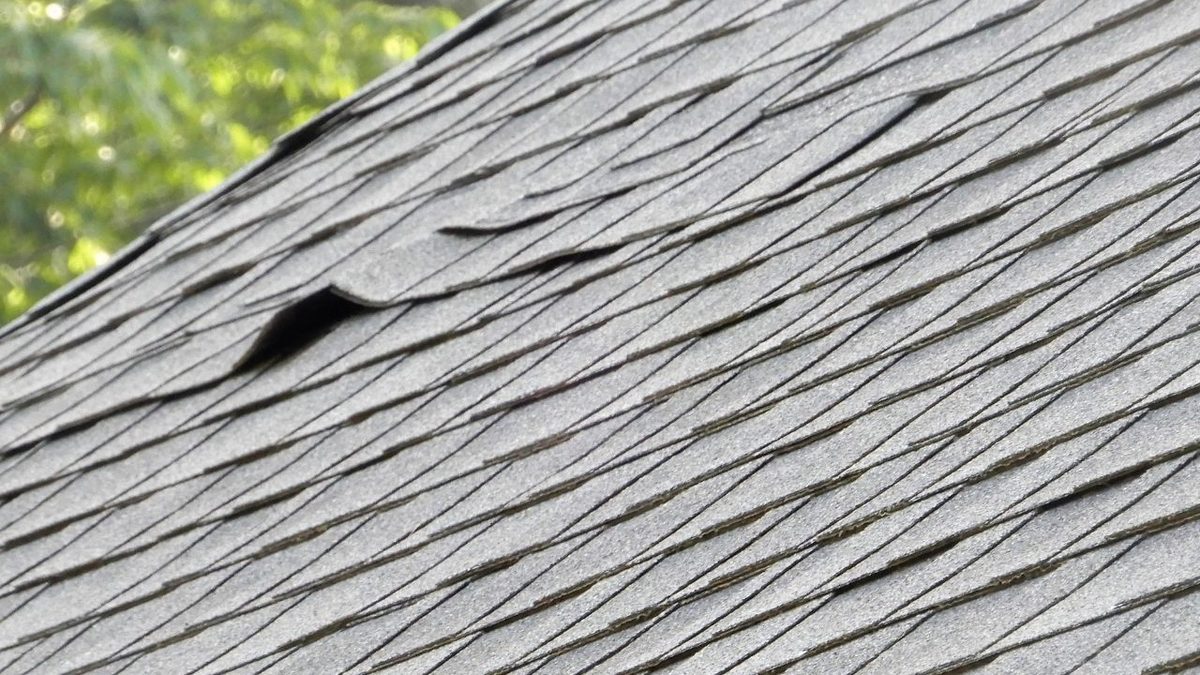
Illinois experiences some of the largest hailstones recorded in the Midwest, creating impact damage invisible from ground level. Spring and summer storms bring high winds, heavy rain, and hail that lift shingles and penetrate protective layers. Storm damage to your roof varies by season, with each weather pattern creating distinct failure modes requiring specialized assessment.
Fall and winter introduce thermal shock through rapid temperature fluctuations, affecting roof structural integrity. Ice dams form when heat loss melts snow that refreezes at eaves, forcing water beneath shingles. Snow accumulation stresses roof framing, while ponding water on flat commercial roofs degrades membrane systems, creating leaks that compromise building envelopes.
How Do Roof Inspections Help With Insurance Claims?
Insurance claims often have one-year filing window requirements that make prompt inspection essential. Professional documentation provides photographic evidence and a detailed damage assessment that carriers require for claim approval. Comprehensive reports from certified inspectors carry greater credibility than contractor estimates, particularly for disputes involving coverage scope or causation timing.
Free contractor inspections frequently lack the thoroughness insurance adjusters expect for substantial claims. Many contractors take 10 to 15 percent of insurance claim values when providing free inspections and subsequent repairs. Independent paid assessments eliminate potential bias and provide defensible documentation that maximizes your coverage without compromising claim integrity through conflicted interests.
Which Roof Inspection Services Are Available After a Storm?
What Are the Differences Between Free and Paid Roof Inspections?
Free inspections are offered by roofing contractors as lead-generation tools following severe weather. These assessments provide basic visual evaluation from ground or ladder positions without detailed interior examination. Contractors offering free inspections anticipate recouping costs through repair contracts, which often include markup percentages built into project pricing.
Paid inspections are conducted by certified independent inspectors or specialized contractors providing unbiased assessments. Comprehensive evaluations include both exterior and interior examination, detailed written reports, and photographic documentation suitable for insurance claims. Standard residential properties typically cost $150 to $400 for paid professional inspections that eliminate sales pressure and provide objective damage assessment.
How Do Drone and Aerial Inspections Enhance Roof Assessments?
Unmanned Aerial Vehicles provide safe access to steep, high, or damaged roofs where manual inspection poses safety risks. The drone inspection market is projected to reach $889.2 million globally by 2035, reflecting rapid adoption across the roofing industry. High-resolution aerial imagery captures impact damage, missing shingles, and flashing failures that basic ground inspections miss.
Standard drone inspections cost $150 to $400, while infrared thermal imaging capabilities increase pricing to the $400 to $600 range. Thermal cameras detect moisture intrusion and insulation deficiencies invisible to standard photography, providing comprehensive damage documentation. Weather conditions limit drone operations, requiring clear visibility and moderate wind speeds for safe operations and quality image capture.
What Special Considerations Exist for Commercial Flat Roof Inspections?
TPO and EPDM are commercial roofing materials requiring specialized inspection protocols distinct from residential shingle systems. Commercial properties represent approximately 30 percent of the total storm damage restoration market value due to larger square footage and complex drainage systems. Roof inspection checklist requirements differ substantially between residential pitched roofs and commercial flat membrane systems.
Commercial inspections cost $200 to $1,000 or more, depending on property size and system complexity. Evaluations are time-consuming due to extensive square footage and multiple penetrations from HVAC equipment, skylights, and drainage systems. Inspectors require specialized knowledge of membrane systems, flashing details, and drainage adequacy that standard residential training does not comprehensively address.
When Is the Ideal Time to Schedule a Roof Inspection Following a Storm?
Why Is Inspecting Within 24 to 48 Hours Recommended?
Schedule immediate inspection within 24 to 48 hours after major storm events to document damage before secondary issues develop. Rapid assessment prevents water intrusion from compromised shingles or flashing that can saturate insulation and structural components. Roof inspections you can't skip during critical timeframes protect property value and maintain insurance claim eligibility.
Professional documentation immediately following storms provides clear causation evidence linking damage to specific weather events. Insurance adjusters evaluate claims based on damage timing and correlation to documented storm activity. Prompt inspection eliminates ambiguity about when inspect roof after storm damage occurred, strengthening claim validity and preventing carrier disputes over pre-existing conditions versus new storm impact.
What Risks Increase With Delayed Roof Inspections?
Delayed inspections allow minor leaks to become major structural problems requiring extensive remediation beyond simple repairs. Water intrusion creates ideal conditions for mold growth within 24 to 72 hours of material saturation. Mold remediation adds thousands of dollars to repair costs while creating health concerns for building occupants and potential liability for property owners who failed to address known moisture issues.
Secondary damage from delayed assessment often exceeds the original storm impact in both scope and cost. Compromised roof systems allow continuous water entry during subsequent rain events, multiplying damage to ceilings, walls, insulation, and structural framing. Insurance carriers may reduce or deny coverage for secondary damage when property owners fail to mitigate known issues through timely inspection and temporary repairs.
How Do Seasonal Weather Patterns Affect Inspection Timing?
Spring and summer storms create immediate inspection needs due to hail impact, wind damage, and heavy rainfall. Summer storm aftermath requires rapid assessment before additional severe weather compounds initial damage during peak storm season. High temperatures accelerate moisture-related deterioration, making prompt evaluation particularly critical for preventing mold growth and structural decay.
Fall and winter introduce thermal shock through rapid temperature cycling that stresses roofing materials and fasteners. Ice dam formation and snow load accumulation create distinct damage patterns requiring specialized assessment techniques. Winter inspection timing must balance storm inspection urgency against weather conditions that limit safe roof access and thorough evaluation of ice-covered or snow-buried surfaces.
How Do Consumer Preferences Influence Roof Inspection Choices in Illinois?
What Are the Common Maintenance Habits Among Illinois Homeowners?
Sixty percent of U.S. homeowners did not inspect their roofs for damage over a one-year period, according to industry surveys. Regional analysis reveals Midwestern homeowners are the least diligent, with 65 percent failing to conduct annual roof inspections. Northeastern homeowners demonstrate more consistent maintenance habits, with only 41 percent neglecting annual assessments compared to significantly higher neglect rates in Illinois and surrounding Midwest states.
This maintenance gap creates substantial risk for Illinois property owners facing severe weather throughout all seasons. Fifteen percent of surveyed homeowners estimated their roofs were at least 20 years old, approaching typical replacement thresholds. Deferred maintenance combined with aging roof systems amplifies storm vulnerability and increases the likelihood of catastrophic failure during severe weather, requiring emergency repairs rather than planned replacements.
How Do Demographics Affect Inspection Service Preferences?
Seventy-five percent of Baby Boomers want to stay in their current homes, driving demand for preventive maintenance. This demographic prefers traditional communication methods, with 53 percent favoring phone calls over digital channels for service scheduling. Baby Boomers focus on eco-friendly and energy-efficient upgrades when addressing roof replacement needs, prioritizing long-term value over initial cost.
Gen X and Millennials complete repairs and renovations at higher rates than Baby Boomers. Younger homeowners more frequently purchase fixer-upper properties requiring comprehensive assessment and renovation work. Fifty-five percent of Americans prefer spread-out communities with larger houses in suburban or rural settings, creating demand for extensive inspection services on properties with substantial roof surface areas.
What Factors Do Consumers Prioritize When Selecting Inspectors?
Safety and structural integrity rank highest among consumer priorities, scoring 95 on a 100-point scale. Property owners seek assurance that homes remain safe from collapse, severe water intrusion, and occupant hazards. Thoroughness and detail score 90, reflecting consumer desire for comprehensive documentation supporting insurance claims and repair planning.
Time sensitivity scores 88, demonstrating consumer understanding that rapid response prevents secondary damage. Cost effectiveness ranks 85, indicating consumers balance inspection investment against potential repair savings from early detection. Insurance compliance scores 82, showing consumer awareness that proper documentation and roof damage timing evidence support successful claims and policy renewal requirements.
What Does a Comprehensive Post-Storm Roof Inspection Involve?
What Are the Key Elements of Exterior Roof Assessment?
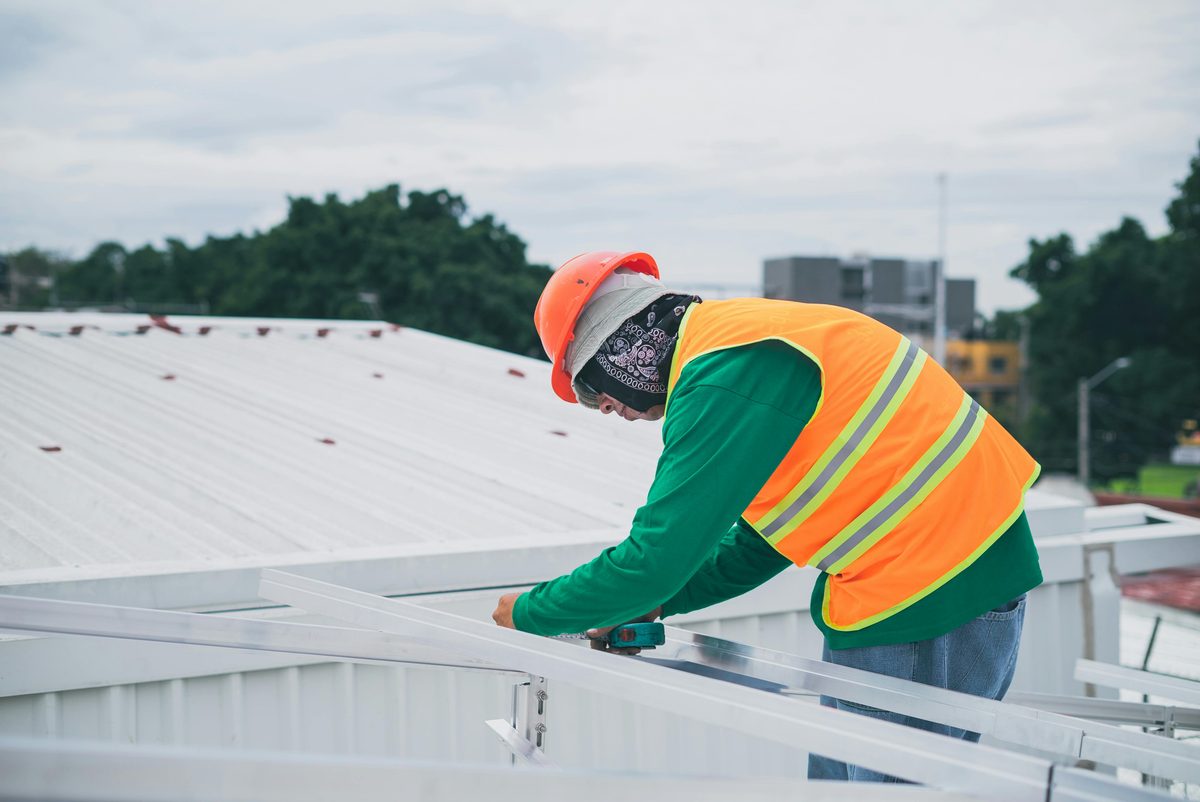
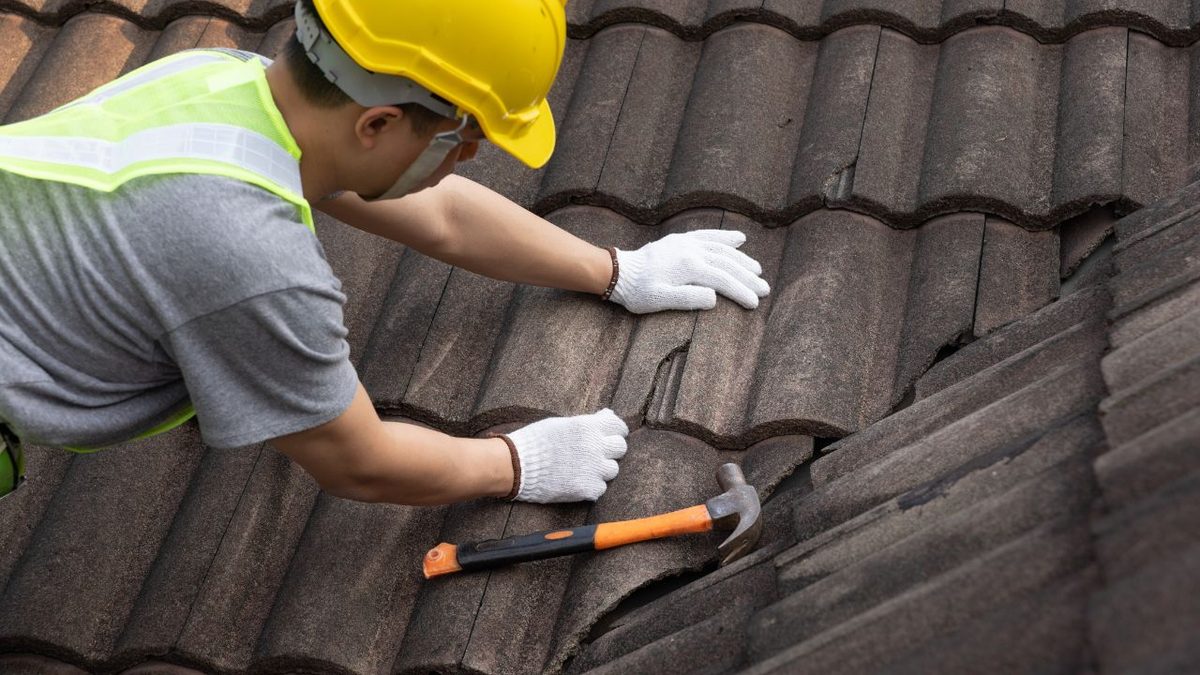
A complete walk of the roof, examining shingles, flashing, gutters, vents, and chimneys, identifies visible damage. Inspectors evaluate each component for storm impact, wear patterns, and failure indicators requiring immediate attention. Drone technology provides safe access to steep or damaged sections where manual inspection poses fall hazards or could cause additional damage to already compromised surfaces.
Exterior assessment documents missing or damaged shingles, compromised flashing around penetrations, and gutter system integrity. Inspectors photograph damage from multiple angles, creating comprehensive visual records supporting insurance claims and repair specifications. The importance of roof inspection extends beyond obvious damage to identifying subtle indicators of developing problems requiring monitoring or preventive intervention.
How Is Interior Damage Identified and Evaluated?
Examine attic space to identify hidden leaks, water stains, mold growth, and structural rot invisible from exterior inspection. Interior assessment verifies proper insulation coverage and ventilation system function that affects roof longevity and energy efficiency. Inspectors use moisture meters to detect elevated humidity levels indicating active leaks or condensation problems requiring immediate remediation.
Attic inspection reveals whether storm damage penetrated the roof deck and created interior water intrusion. Water stains on rafters, sheathing, or insulation indicate leak paths requiring precise identification for targeted repairs. Proper ventilation and insulation prevent ice dam formation and reduce thermal shock stress that accelerates roofing material deterioration throughout seasonal temperature cycles.
Why Is Detailed Documentation Crucial for Effective Inspections?
Deliver detailed written reports with photographic evidence and prioritized repair recommendations for property owner decision-making. Comprehensive documentation provides insurance carriers with defensible evidence supporting claim validity and coverage scope. Free inspections often lack detailed documentation necessary for complex claims, limiting the property owner's ability to substantiate the extent of damage and repair necessity.
Hidden damage may not be uncovered with free basic inspections that lack interior evaluation and specialized equipment. Professional reports include thermal imaging results, moisture readings, and structural integrity assessments beyond visual observation capabilities. Detailed documentation creates permanent records tracking roof condition over time, supporting maintenance planning and replacement timing decisions based on objective assessment rather than sales pressure.
How Can Property Owners Choose Qualified Professionals for Storm Inspections?
What Certifications and Credentials Should Inspectors Have?
Certified inspectors have passed rigorous training programs and maintain ongoing education requirements demonstrating technical competency. Organizations like the National Roof Certification and Inspection Association and Haag Engineering provide industry-recognized credentials. GAF Master Elite and CertainTeed ShingleMaster certifications indicate contractors meet stringent quality standards for installation and assessment work.
Professional credentials demonstrate commitment to industry best practices and adherence to ethical standards governing unbiased assessment. Certified inspectors follow standardized protocols, ensuring comprehensive evaluation covering all critical roof components and failure modes. Credentials provide property owners with assurance that inspectors possess knowledge of current roofing systems, materials, and installation techniques necessary for accurate damage assessment.
How Does Hiring Certified Inspectors Benefit Insurance Processes?
Certified inspector reports carry greater credibility with insurance adjusters evaluating claim validity and damage causation. Professional credentials demonstrate inspector qualifications for expert damage assessment independent of contractor sales interests. Detailed documentation from certified professionals reduces claim disputes and accelerates approval processes by providing clear evidence meeting carrier documentation requirements.
Insurance companies recognize that certified inspectors maintain professional liability coverage and follow standardized evaluation protocols. Certification demonstrates inspector training in damage assessment techniques, material identification, and appropriate repair specifications. Professional reports include technical details supporting coverage decisions, reducing communication between property owners, contractors, and insurance carriers during claim resolution.
What Are the Drawbacks of Relying on Non-Professional Assessments?
Non-professional assessments frequently miss hidden damage requiring specialized equipment or technical knowledge to identify accurately. Contractors lacking certification may provide biased evaluations emphasizing replacement over repair to maximize project revenue. Inadequate documentation from informal inspections creates insurance claim complications when carriers require detailed evidence supporting damage extent and repair necessity.
Property owners relying on free contractor inspections risk incomplete damage identification and inflated repair recommendations. Non-certified assessors may lack knowledge of current building codes, proper repair techniques, and material compatibility requirements. Informal assessments provide no professional liability protection when inspection errors result in missed damage, inappropriate repairs, or insurance claim denials due to inadequate documentation.
What Are the Best Practices for Ongoing Roof Maintenance in Storm-Prone Areas?
How Often Should Routine Inspections Be Scheduled?
Schedule professional inspections at least once, preferably twice, a year in the spring and fall seasons. Roof maintenance timing around seasonal transitions prepares roofs for upcoming weather extremes and identifies developing issues before minor problems become major failures. Bi-annual inspections enable early detection of wear patterns, aging materials, and component failures requiring attention before severe weather tests roof integrity.
Regular inspection schedules create baseline condition documentation supporting insurance claims when storm damage occurs. Consistent maintenance records demonstrate property owner diligence, potentially influencing coverage decisions and premium calculations. Professional inspections identify preventive maintenance opportunities that extend roof lifespan and reduce the likelihood of catastrophic failure during severe weather.
What Preventive Measures Protect Roofs During Severe Weather?
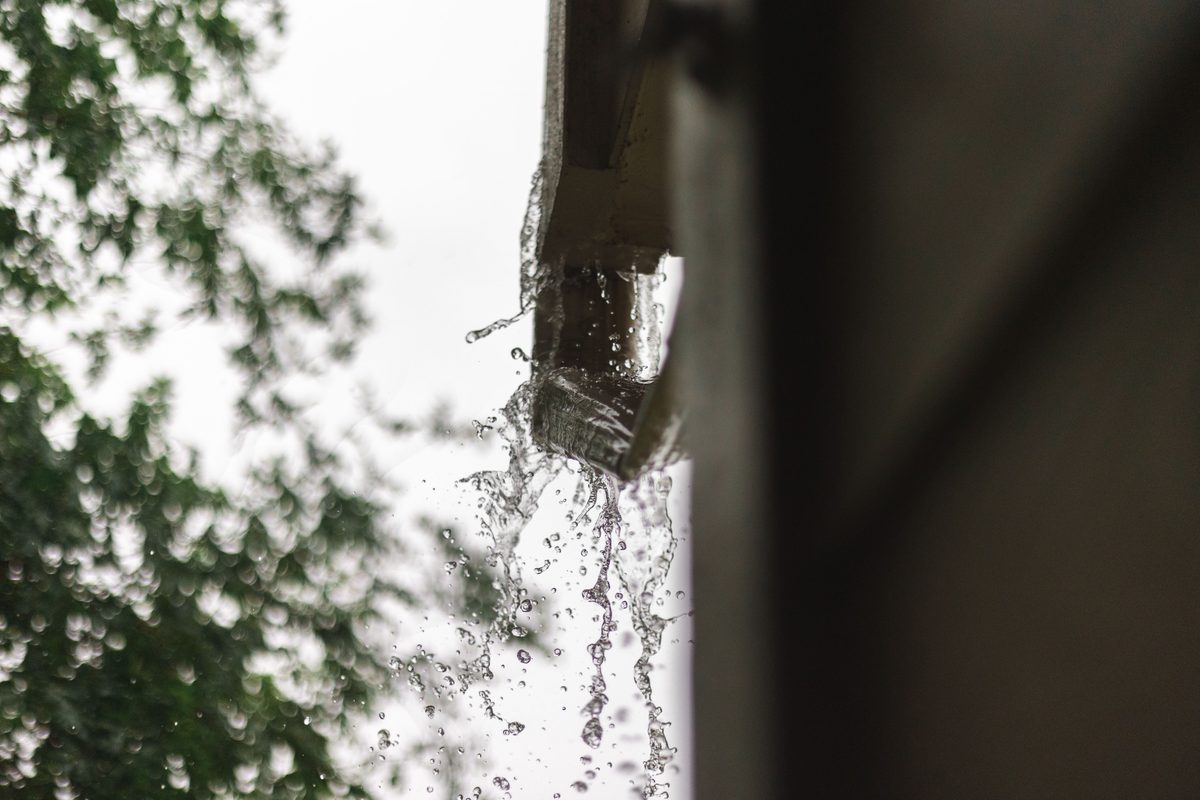
Proper attic ventilation prevents ice dam formation and reduces thermal shock stress on roofing materials. Adequate insulation minimizes heat loss that melts snow, creating refreezing conditions at roof edges. Regular gutter cleaning ensures proper drainage, preventing water backup that can penetrate beneath shingles during heavy rainfall or ice dam conditions.
Tree trimming eliminates branches that could impact roofs during high winds or ice storms. Proper flashing installation and maintenance around chimneys, vents, and penetrations prevents water intrusion at vulnerable transition points. Timely shingle replacement before widespread deterioration maintains complete protective coverage, reducing storm vulnerability through proactive maintenance rather than reactive emergency repairs.
How Does Timely Maintenance Reduce Long-Term Repair Costs?
Early detection of minor issues prevents escalation into major structural problems requiring extensive remediation. Small repairs addressing isolated damage cost hundreds of dollars, while delayed maintenance can result in thousands spent on structural repairs. Regular maintenance extends the roof lifespan from a typical 20-year expectancy to 25 or 30 years through proactive intervention, preventing premature system failure.
Preventive maintenance reduces insurance claims frequency, potentially lowering premium costs through demonstrated risk management practices. Property owners investing in regular inspections avoid emergency repair premiums charged for after-hours or storm-surge pricing. Planned maintenance scheduling enables competitive bidding and careful contractor selection rather than accepting immediate availability during post-storm demand spikes.
Best Timing and Strategic Considerations for Roof Inspections After Storms in Illinois
Illinois property owners must balance storm inspection urgency against service availability and weather conditions affecting assessment quality. Immediate inspection within 24 to 48 hours provides optimal documentation while preventing secondary damage development. Professional paid inspections deliver comprehensive evaluation and unbiased documentation that free contractor assessments typically cannot match due to inherent conflicts of interest.
Strategic inspection timing considers both immediate post-storm needs and regular seasonal maintenance schedules. Combining event-driven storm assessments with bi-annual routine inspections creates a comprehensive protection strategy addressing both acute damage and gradual deterioration. Property owners who understand the Illinois roofing timeline and implement proactive maintenance practices protect their investments while minimizing long-term repair costs through early intervention.
Advanced Roofing Inc. has served Chicagoland property owners for over 30 years with professional inspection and repair services. Their GAF Master Elite certification and family-owned commitment to quality ensure a comprehensive assessment meeting the highest industry standards. Property owners receive transparent guidance prioritizing long-term protection over short-term revenue maximization, backed by decades of experience navigating Illinois severe weather challenges.
Schedule Your Post-Storm Roof Inspection With Advanced Roofing Inc.
Don't wait for a small leak to become a costly repair. Advanced Roofing Inc. has served Chicagoland homeowners and commercial property owners for over 30 years, providing thorough inspections backed by GAF Master Elite® certification and a BBB A+ rating. Our team delivers detailed, unbiased assessments that protect your property and support your insurance claim from start to finish.
Professional roof inspection protects your property investment and ensures insurance compliance following severe weather events. Contact our certified inspection team for a comprehensive assessment and detailed documentation supporting your post-storm repair planning and insurance claim needs.