Naperville homeowners face one of Illinois's highest hail damage risks due to DuPage County's geographic position. Severe storms dropping hailstones exceeding one inch occur regularly, causing billions in property damage. Understanding how to identify roof damage, select resilient materials, and navigate insurance claims protects your home from catastrophic failure and ensures proper compensation.
Small, undetected vulnerabilities can escalate into $15,000+ full replacements during the next major storm. Knowing when to repair versus replace, which materials offer genuine protection, and how to document damage for insurers gives homeowners control during stressful post-storm periods.
Key Takeaways
- Hail damage often appears as bruising or soft spots that lead to premature roof failure months after a storm
- Class 4 impact-resistant shingles withstand 2-inch hail and qualify for 10-25% annual insurance premium discounts
- Delaying damage assessment can increase repair costs by 40% due to secondary water damage
- Naperville experienced over 40 significant hail events between 2015 and 2025, making preventive upgrades essential
- Professional inspection and documentation are critical for successful insurance claim navigation
What Is Hail Damage and How Does It Affect Roofs in Naperville?
Hail damage compromises your roof's structural integrity through impact force that fractures underlying materials. Even when shingles appear intact from ground level, the fiberglass mat beneath may have sustained bruising that allows moisture penetration. This hidden damage accelerates deterioration and leads to leaks months later, often during subsequent weather events when your roof is most vulnerable.
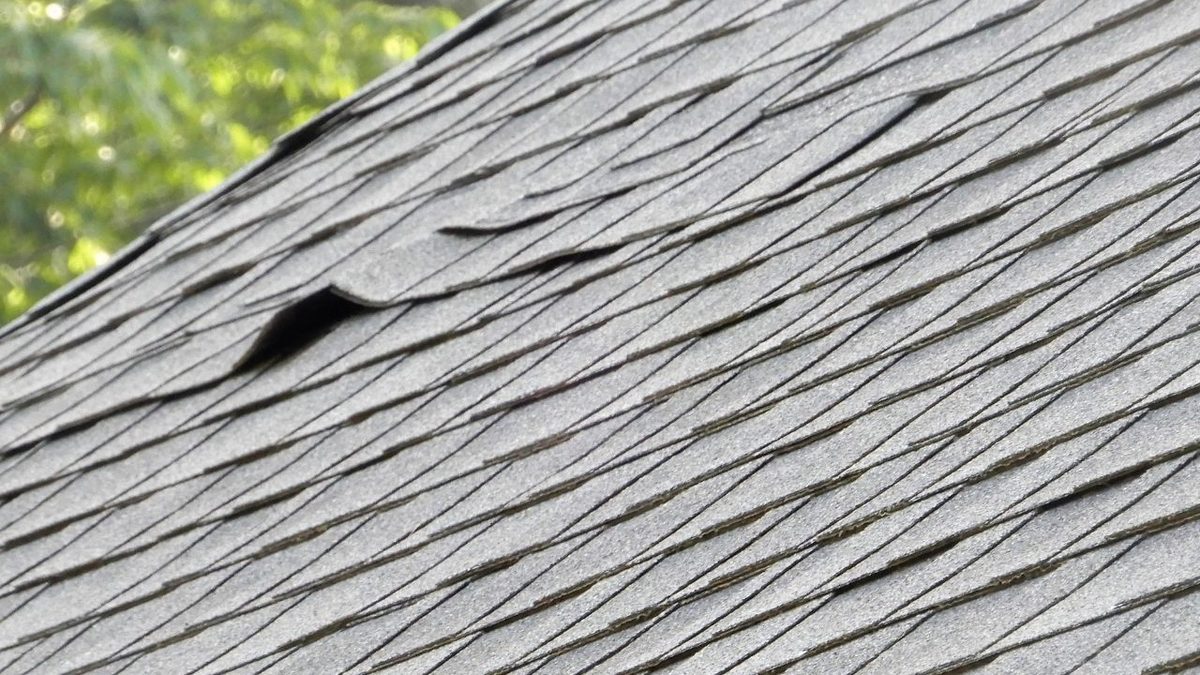
Damage extends beyond visible surface impacts to include compromised adhesive bonds and granule loss. Wind uplift during storms can break the seal between shingles without removing them. These separations create pathways for wind-driven rain to saturate underlying decking, causing rot and requiring extensive structural repairs that far exceed the cost of addressing surface damage immediately.
How Can You Identify Signs of Hail Damage on Your Roof?
Hail damage manifests as bruising or soft spots where the fiberglass mat has been fractured beneath the surface. Press gently on shingles to detect areas that feel spongy compared to surrounding materials. These soft spots indicate that the protective granule layer and underlying structure have been damaged, even without visible holes.
Indirect indicators often reveal roof damage before you can safely inspect shingles directly. Dents in aluminum gutters, vinyl siding, or air conditioning units confirm hail struck with sufficient force to damage roofing materials. Granule accumulation in gutters and downspouts signals accelerated shingle wear caused by hail impacts, stripping the protective coating.
What Are the Most Vulnerable Roofing Materials to Hail?
Standard asphalt shingles are highly vulnerable to hail damage and high winds due to their composition. The basic three-tab design lacks reinforced structure and impact-absorbing polymers found in premium alternatives. When hailstones strike standard asphalt, the rigid fiberglass mat cracks rather than flexing, creating permanent damage that compromises the shingle's ability to shed water.
Freeze-thaw cycles compound hail damage by allowing moisture to enter small cracks created during storms. Water penetrates compromised areas, freezes during winter, expands, and breaks shingle bonds progressively. This deterioration accelerates dramatically after initial hail impacts weaken the material, reducing the expected 20-25 year lifespan to 10-15 years or less.
Why Is Naperville Especially Prone to Severe Hail Events?
DuPage County experienced over 40 significant hail events between 2015 and 2025, making it Illinois's most hail-impacted region. The area's position in the Midwest "Hail Alley" creates ideal conditions for severe convective storms. Warm, moist air from the Gulf of Mexico collides with cool, dry air from Canada directly over Chicago suburbs, generating powerful updrafts that suspend water droplets long enough to form large hailstones.
Recent storm intensity demonstrates the escalating threat to Naperville's hail roofing systems. A March 2026 storm dropped hailstones measuring up to 4.8 inches in nearby Darien, causing catastrophic damage to standard roofing materials. Severe convective storms caused $54 billion in insured losses nationally in 2024, with Illinois contributing significantly due to concentrated hail activity across DuPage, Kane, and Will counties.
How Do Impact-Resistant Materials Protect Against Hail Damage?
Impact-resistant roofing materials use specialized polymers and reinforced construction to absorb hail strikes without fracturing. Unlike standard asphalt shingles that crack under impact force, these advanced materials flex and disperse energy across a wider surface area. This prevents the bruising and soft spots that lead to premature failure, extending roof lifespan even in severe hail environments like Naperville.
The protection translates directly into reduced long-term costs despite higher initial investment. Insurance companies recognize proven performance by offering substantial premium discounts. Property owners avoid repeated repair costs and insurance deductibles when storms strike, as properly installed impact-resistant systems maintain integrity through multiple hail events that would destroy conventional roofing.
What Are Class 4 Impact-Resistant Shingles?
Class 4 impact-resistant shingles withstand direct impacts from hail up to 2 inches in diameter without cracking or sustaining damage. Manufacturers achieve this performance by incorporating SBS (Styrene-Butadiene-Styrene) polymer, which provides elasticity that allows shingles to flex rather than fracture. The rubberized polymer creates a resilient matrix within the asphalt coating that absorbs and disperses impact energy across the entire shingle structure.
These premium shingles represent a growing Midwest roofing market segment due to proven performance. Impact-resistant shingles currently hold 15% market share, growing 8-12% annually as homeowners prioritize storm resilience. The materials deliver 20-30-year lifespans when properly installed and maintained.
How Does Metal Roofing Compare for Hail Resistance?
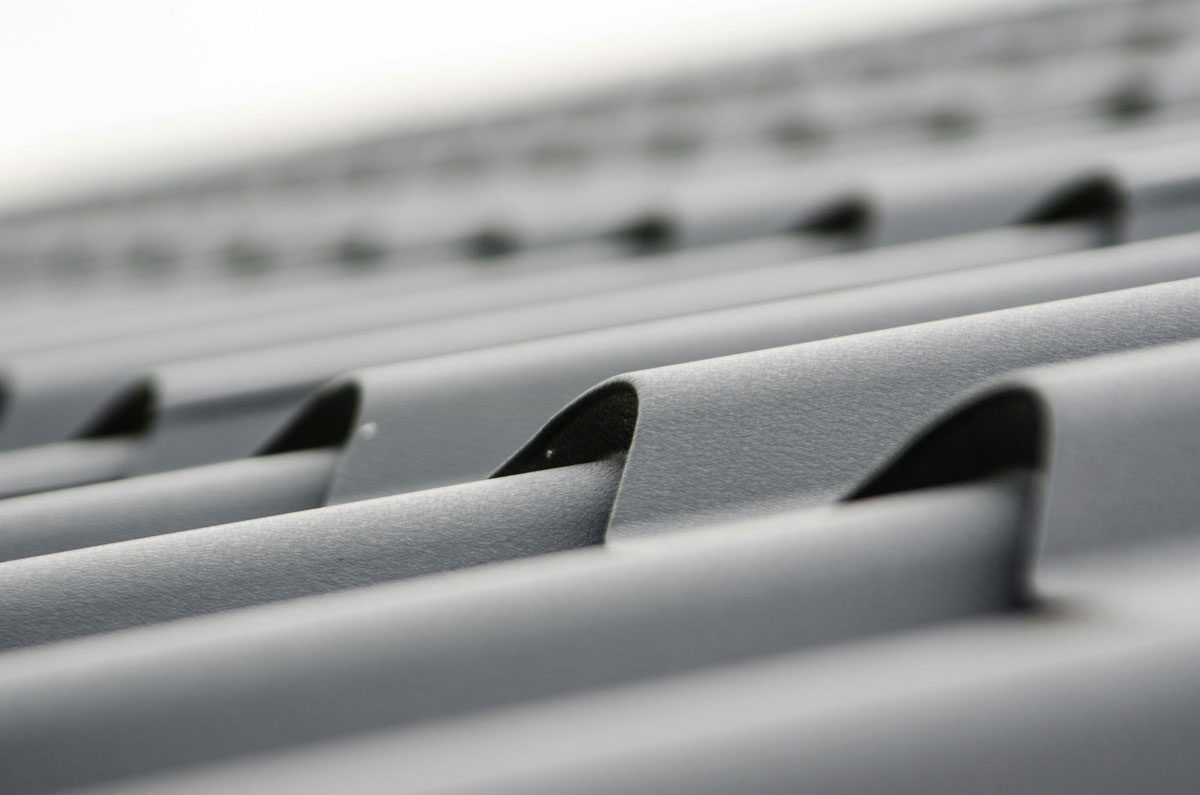
Metal roofing systems offer superior hail resistance through fundamentally different structural properties. Standing seam metal panels deflect hail impacts rather than absorbing them, with dents rarely compromising the system's waterproofing integrity. The interlocking panel design creates continuous weather barriers that remain functional even when cosmetic denting occurs, unlike shingles, where individual impact sites can create leak pathways.
Metal roofing holds 12-15% market share with steady 8-10% annual growth driven by durability expectations. Systems deliver 40-70 year lifespans, making them ideal for homeowners planning long-term ownership, though the highest upfront cost and potential noise during heavy rain require consideration.
What Are the Insurance Benefits of Using Impact-Resistant Materials?
Class 4 impact-resistant materials qualify homeowners for 10-25% annual insurance premium discounts, depending on carrier and coverage. Insurance companies base these reductions on actuarial data showing significantly lower claim frequency for impact-resistant roofs. The discount applies every year for the life of the roof, creating cumulative savings that offset the initial material premium within 5-8 years.
Metal roofing systems qualify for smaller discounts ranging from 5-15% annually. The reduced discount compared to Class 4 shingles reflects insurers' recognition that while metal roofs resist hail well, cosmetic denting may still trigger claims. Homeowners should verify specific discount availability with their insurance provider before material selection, as rates and qualifying products vary between carriers.
When and Why Should Homeowners Perform Roof Inspections and Repairs After a Storm?
Immediate post-storm inspection identifies damage before secondary failures cascade into catastrophic structural problems. Professional assessment within 48-72 hours documents the full extent of hail impacts, wind uplift, and debris damage while evidence remains visible. This timing proves critical for insurance claims, as waiting weeks allows normal wear to obscure storm-specific damage, potentially reducing claim approval rates and settlement amounts.
The inspection window also determines whether emergency repairs can prevent water infiltration that multiplies total restoration costs. Minor vulnerabilities detected early may require only targeted repairs costing hundreds rather than thousands. Delays allow moisture penetration that rots decking, damages insulation, and promotes mold growth, transforming a manageable repair into a full replacement project exceeding your insurance deductible.
What Are the Risks of Delaying Roof Damage Assessment?
Secondary water damage can account for up to 40% of total repair costs when homeowners postpone inspections after storms. Water penetrating through damaged shingles saturates the underlayment and wooden decking beneath, creating progressive rot that spreads. What began as localized hail bruising becomes structural failure requiring extensive carpentry, mold remediation, and interior ceiling repairs that insurance may not fully cover if initial damage went unreported.
Minor vulnerabilities create compounding risk during subsequent weather events. A small section of wind uplift damage where adhesive seals separated can cause $15,000+ full replacement during the next major storm. Wind-driven rain enters through these compromised areas, saturating insulation and rotting underlying decking.
How Can Emergency Repairs Mitigate Further Damage?
Emergency repair services account for 15-20% of annual revenue in active storm markets. Securing emergency tarping immediately after damage detection prevents secondary water intrusion until permanent repairs can be scheduled. Professional tarping uses heavy-duty materials properly anchored to withstand subsequent wind and rain, creating a temporary but effective weather barrier.
Documentation becomes equally important as the physical protection emergency repairs provide. Homeowners should photograph all damage before contractors perform any temporary work, then document the emergency repairs themselves with dated images. These records establish the timeline and necessity of emergency services, supporting your claim for reimbursement of both temporary and permanent repair costs.
What Documentation Is Needed for Insurance Claims?
Comprehensive photographic evidence forms the foundation of successful hail damage roof repair claims in Naperville and throughout Illinois. Homeowners should capture wide-angle images showing the entire roof from multiple angles, then close-up photos of each damaged area. Including reference objects like tape measures or coins next to hail dents helps adjusters assess impact severity, while interior photos of water stains link roof compromise to interior losses.
Professional contractor presence during adjuster inspections ensures accurate damage assessment and appropriate scope development. Contractors experienced in Illinois insurance claims for roof damage can identify hidden issues adjusters may overlook, such as wind uplift damage and shingle mat bruising. This advocacy helps homeowners receive full compensation for legitimate damage rather than settling for partial repairs that leave underlying vulnerabilities unaddressed.
What Does the Roof Repair Process After Hail Damage Typically Involve?
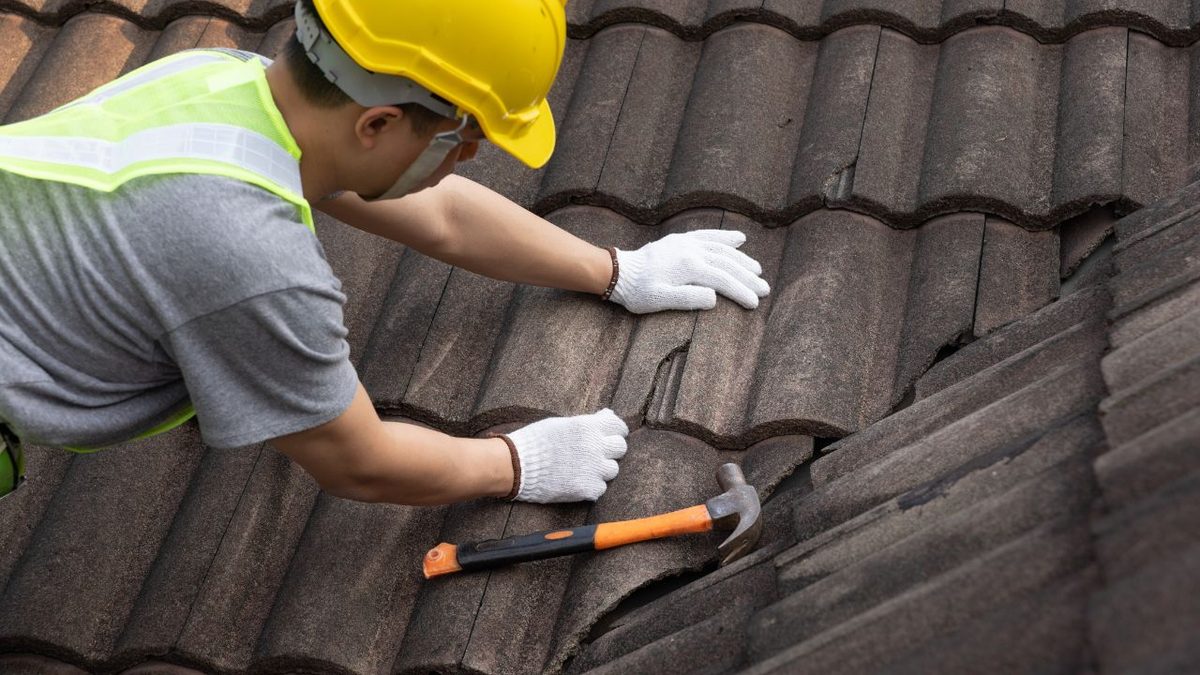
Professional roof repair following hail damage begins with a comprehensive assessment to distinguish between cosmetic and structural compromise. Contractors systematically inspect every roof section, checking for granule loss, shingle bruising, flashing damage, and wind uplift indicators. This evaluation determines whether targeted repairs suffice or full replacement becomes necessary.
The repair scope varies dramatically based on damage extent, material type, and structural impact severity. Minor localized damage may require only shingle replacement in affected areas, while widespread bruising typically necessitates complete re-roofing.
How Do Professionals Inspect and Assess Roof Damage?
Licensed contractors conduct systematic inspections following a standardized checklist to ensure no damage escapes detection. They examine shingles for bruising by pressing gently to identify soft spots, check flashing around chimneys and vents for separation or denting, and inspect gutters and downspouts for granule accumulation. Experienced professionals also assess attic spaces for water stains or moisture indicating roof penetration.
Following a comprehensive roof inspection checklist in Illinois ensures accurate damage documentation that supports insurance claims and repair planning. Inspectors document findings with detailed notes and photographs, marking damaged areas on roof diagrams. This methodical approach creates the evidence foundation needed for insurance adjusters to approve claims.
What Are Common Repair Techniques for Hail-Damaged Roofs?
Emergency tarping costs typically range from $300-$1,500 depending on the damaged area size and roof accessibility. Contractors secure heavy-duty tarps using wooden battens screwed through existing shingles into the roof deck. This temporary solution prevents water infiltration until permanent repairs can be scheduled.
Patch repair for localized damage affecting 2-5 squares costs $800-$3,500, depending on material matching requirements and labor complexity. Contractors remove damaged shingles, inspect and replace any compromised underlayment or decking, then install new shingles that blend with existing materials. Average storm damage repair totals $12,364, ranging from $2,655 for minor fixes to $22,127 for extensive damage.
When Is Full Roof Replacement Recommended?
Full replacement becomes necessary when hail damage affects more than 30-40% of the total roof area. Attempting to patch extensively damaged roofs creates a patchwork appearance and fails to address underlying structural compromise. Insurance adjusters typically approve full replacement when damage density reaches this threshold.
Professional contractors recommend replacement rather than repair when evaluating whether to replace or repair your roof after hail damage based on multiple factors. The age of existing materials plays a critical role, as repairing a 15-year-old roof with 10 years of expected life remaining makes less financial sense than replacement with upgraded impact-resistant materials. The opportunity to improve storm resilience, secure insurance discounts, and avoid future claims often justifies full replacement even when partial repairs remain technically feasible.
How Can Homeowners Prepare Their Roofs Before and After Storm Seasons in Illinois?
Proactive seasonal preparation significantly reduces storm damage risk and extends roof lifespan through systematic maintenance and inspection. Homeowners who invest in preventive care avoid emergency repair costs and stress that follow severe weather events. Regular maintenance also preserves manufacturer warranty coverage, as many warranties require documented annual inspections.
The seasonal approach addresses specific vulnerabilities created by Illinois's harsh climate cycle. Spring inspections identify freeze-thaw damage before severe storm season begins, while fall maintenance ensures roofs enter winter with all protective systems functioning properly.
What Are Essential Pre-Season Roof Maintenance Steps?
Homeowners should book spring inspections 4-6 weeks in advance as contractor schedules fill rapidly during peak season. Early scheduling ensures availability before the May-June severe weather window when demand for emergency services overwhelms local contractors.
The pre-season inspection focuses on damage accumulated during the winter months that creates vulnerability during spring storms. Contractors check for lifted shingles caused by freeze-thaw damage, inspect compromised flashing around chimneys and vents where ice damming may have occurred, and examine attic spaces for moisture indicating poor winter ventilation. Spring inspection costs typically range from $200-$300, while addressing minor issues costs $500-$1,000.
How Does Preventive Maintenance Extend Roof Lifespan?
Only 10-15% of homeowners currently adopt preventive maintenance programs despite proven benefits. Regular maintenance extends roof lifespan by 5-10 years through early detection and correction of minor issues before they compromise structural integrity. Annual programs costing $500-$1,500 include quarterly inspections, gutter cleaning, minor leak repair, and sealant reapplication around penetrations.
The investment in preventive care delivers returns that far exceed the annual cost through avoided emergency repairs. Minor problems identified during routine inspections typically cost $500-$1,000 to address, while the same issues left undetected until failure can require $5,000-$15,000 in emergency repairs.
When Should You Schedule Professional Roof Inspections?
Bi-annual inspection timing should align with Illinois's distinct seasonal challenges to maximize protective value. Spring inspections conducted in March or April identify winter damage before severe storm season, while fall inspections in September or October ensure roofs enter winter with all systems functioning properly.
Post-storm inspections require immediate scheduling regardless of season whenever severe weather strikes your neighborhood with hail or high winds. Understanding when a roof needs repairs prevents minor storm damage from escalating into catastrophic failure during subsequent weather events. Homeowners should also schedule inspections after the summer storm aftermath to catch wind and hail damage before fall weather arrives.
How Do Material Choices Affect Cost, Longevity, and Return on Investment for Roof Repairs?
Material selection represents the most important decision affecting long-term roofing costs and home protection in hail-prone markets. Initial installation price differences between standard and premium materials narrow significantly when calculating the total cost of ownership. Impact-resistant and metal roofing systems deliver lower lifetime costs through extended service life, reduced repair frequency, and insurance premium savings.
The financial analysis must account for multiple factors beyond simple material and installation costs. Return on investment calculations include resale value recovery, insurance premium reductions, avoided repair expenses, and total lifespan. Homeowners planning long-term ownership benefit most from premium materials, while those expecting to sell within 5-10 years may prioritize architectural shingles that balance cost with aesthetic appeal.
What Are the Price Ranges for Different Roofing Materials in Naperville?
Impact-resistant shingles pricing ranges from $5,000-$9,000 for a typical 2,000 square foot roof, calculated at $150-$250 per square. This represents a 10-30% premium over standard asphalt shingles costing $3,500-$6,000 for the same area. The price difference reflects specialized SBS polymer incorporation and enhanced manufacturing processes.
Metal roofing pricing ranges from $12,000-$20,000+ for 2,000 square feet, calculated at $8-$15 per square foot installed. Architectural asphalt shingles fall between standard and impact-resistant options at $5,000-$8,000 for a comparable roof size.
How Does ROI Vary Between Asphalt, Architectural, and Metal Roofs?
Asphalt shingles deliver 62-70% ROI based on cost recovery during home resale within 5-10 years of installation. Standard three-tab materials appeal to budget-conscious buyers and provide acceptable performance in moderate climates. Architectural shingles improve ROI to 68-75% through enhanced curb appeal and perceived quality, making them the most popular choice among homeowners balancing cost with aesthetic considerations.
Metal roofing ROI ranges from 54-65% due to the higher initial investment that buyers may not fully value during resale. However, the absolute value retention and longevity make metal roofing economically superior for long-term ownership.
What Financial Advantages Come from Upgrading to Impact-Resistant Materials?
Class 4 impact-resistant shingles achieve payback periods of 5-8 years through combined insurance premium savings and avoided repair costs. The 10-25% annual insurance discount applies every year, creating cumulative savings that offset the initial 10-30% material premium relatively quickly. Homeowners also avoid repeated deductible payments when storms damage standard roofing.
Metal roofing payback periods extend to 10-15 years due to higher upfront costs and smaller insurance discounts. However, the 40-70 year lifespan means metal roofs rarely require replacement during homeownership, eliminating the need for second or third re-roofing projects typical with asphalt materials. This exceptional longevity, combined with minimal maintenance requirements, creates long-term value for homeowners planning to remain in their Naperville properties for decades.
What Challenges Do Homeowners Face Navigating Insurance Claims for Hail Damage?
Insurance claim navigation presents significant challenges for homeowners unfamiliar with policy language, damage assessment protocols, and adjuster expectations. Carriers have financial incentives to minimize claim payouts, leading to disputes over damage extent and repair necessity. Without proper documentation and professional advocacy, homeowners risk receiving inadequate settlements that force them to cover repair costs out of pocket.
The complexity increases when hidden damage like wind uplift and shingle bruising requires expertise to identify and document. Adjusters working on tight schedules may overlook subtle indicators of structural compromise that become apparent only during tear-off.
How Can Homeowners Work Effectively with Insurance Adjusters?
Effective adjuster collaboration begins with understanding that adjusters represent the insurance company's financial interests rather than homeowner advocacy. Homeowners should remain professional and factual during all interactions, providing requested documentation promptly. Scheduling the adjuster visit during daylight hours when damage visibility is optimal improves assessment accuracy.
Having your contractor present during the adjuster's inspection ensures all damage receives proper documentation and consideration in the claim scope. Experienced roofing professionals understand insurance protocols and can point out damage adjusters might otherwise miss.
What Common Pitfalls Should Be Avoided in Claim Documentation?
Failing to document damage immediately after storms creates claim disputes when adjusters question whether damage resulted from the reported event. Homeowners should photograph all affected areas from multiple angles before any repairs occur, including temporary tarping. Date-stamped images from smartphones provide timestamped evidence linking damage to specific storm dates.
Accepting the first settlement offer without professional review often results in inadequate compensation for complete repairs. Insurance companies sometimes issue lowball initial offers, expecting negotiation, particularly when homeowners lack contractor estimates supporting higher repair costs. Obtaining multiple estimates from licensed contractors provides leverage during settlement negotiations.
How Do Contractors Support the Insurance Process?
Qualified contractors provide critical support throughout insurance claim navigation from initial damage assessment through final settlement negotiation. They document damage using industry-standard reporting formats that adjusters recognize and respect, improving claim approval likelihood. Contractors also prepare detailed scope of work documents and cost estimates that justify the requested settlement amounts.
Selecting the best roofing contractor in Illinois requires verifying their experience with insurance claims and manufacturer certifications that validate their expertise. Contractors familiar with local storm patterns and insurance carrier preferences navigate the process more efficiently than general contractors lacking specialized roofing knowledge.
Strategic Recommendations for Hail Damage Roof Repair in Naperville, IL
Naperville homeowners must approach roofing decisions with understanding that Illinois hail damage represents an ongoing risk rather than isolated incidents. DuPage County's position in Hail Alley guarantees continued severe weather exposure that will test your roof's resilience repeatedly. Investing in impact-resistant materials transforms this threat from financial liability into manageable protection through reduced insurance premiums and avoided emergency repair costs.
The strategic approach prioritizes prevention over reaction by scheduling bi-annual inspections and maintaining comprehensive documentation of all roof work and storm events. Homeowners who adopt preventive maintenance programs and upgrade to Class 4 or metal roofing during necessary replacements position themselves for long-term cost savings and peace of mind.
Protecting your Naperville home from hail damage requires balancing immediate costs against long-term value through informed material selection. Understanding roofing tips after hailstorms and implementing proactive maintenance strategies prevents minor damage from escalating into catastrophic failure. The most successful homeowners treat their roofing system as critical infrastructure requiring ongoing attention rather than neglecting it until emergency post-storm repairs naperville become unavoidable.
For over 30 years, Advanced Roofing Inc. has helped Chicagoland homeowners navigate storm damage challenges with honest assessments and quality craftsmanship. Their GAF Master Elite® certification and comprehensive insurance expertise ensure clients receive proper protection and fair compensation. Learning how to get the best work from your contractors starts with selecting experienced professionals who prioritize long-term solutions.
Schedule Your Post-Storm Roof Inspection with Advanced Roofing Inc.
Hail damage doesn't wait — and neither should you. Advanced Roofing Inc. has served Naperville and the greater Chicagoland area for over 30 years, helping homeowners identify hidden storm damage, navigate insurance claims, and make repairs that last. As a GAF Master Elite® Certified and CertainTeed ShingleMaster™ contractor with a BBB A+ rating, we bring the credentials and hands-on expertise your roof deserves.
Don't let a minor vulnerability become a major repair. Contact Advanced Roofing Inc. today for a thorough, no-obligation roof inspection and honest recommendations — backed by decades of experience protecting Fox Valley homes. Contact our experienced team today for a comprehensive evaluation and transparent repair recommendations.