A free storm roof inspection in Fox Valley helps property owners identify damage after severe weather without upfront costs. Illinois experiences some of the largest hailstones recorded in the Midwest, making professional damage assessment essential for protecting residential and commercial investments. Understanding what inspectors examine and why timing matters can prevent costly secondary damage and ensure successful insurance claims.
The Fox Valley and Greater Chicagoland area represent critical markets for storm damage services. Major storm events in the Midwest frequently result in damages exceeding $100 million, driving immediate demand for thorough roof evaluations. This guide explains the inspection process, technology advances, and key considerations when selecting professional assessment services.
Key Takeaways
- Storm roof inspections combine exterior and interior assessments to identify visible and hidden damage after severe weather events
- Free inspections offer no-cost initial assessments but may lack comprehensive documentation compared to paid professional services
- Drones and thermal imaging improve inspection accuracy while providing safer access to steep or damaged roof surfaces
- Scheduling inspections within 24 to 48 hours after major storms prevents secondary damage and ensures insurance compliance
- Professional certifications and detailed documentation strengthen insurance claims and protect long-term property value
What Is a Storm Roof Inspection?
A storm roof inspection is a comprehensive evaluation of your roof's condition following severe weather events. Inspectors assess both exterior and interior components to document damage that may compromise structural integrity or lead to water intrusion.
These assessments identify problems ranging from obvious shingle loss to subtle flashing failures. Professional inspectors deliver detailed reports with photographic evidence supporting insurance claims and repair prioritization.
How Does a Storm Roof Inspection Work?
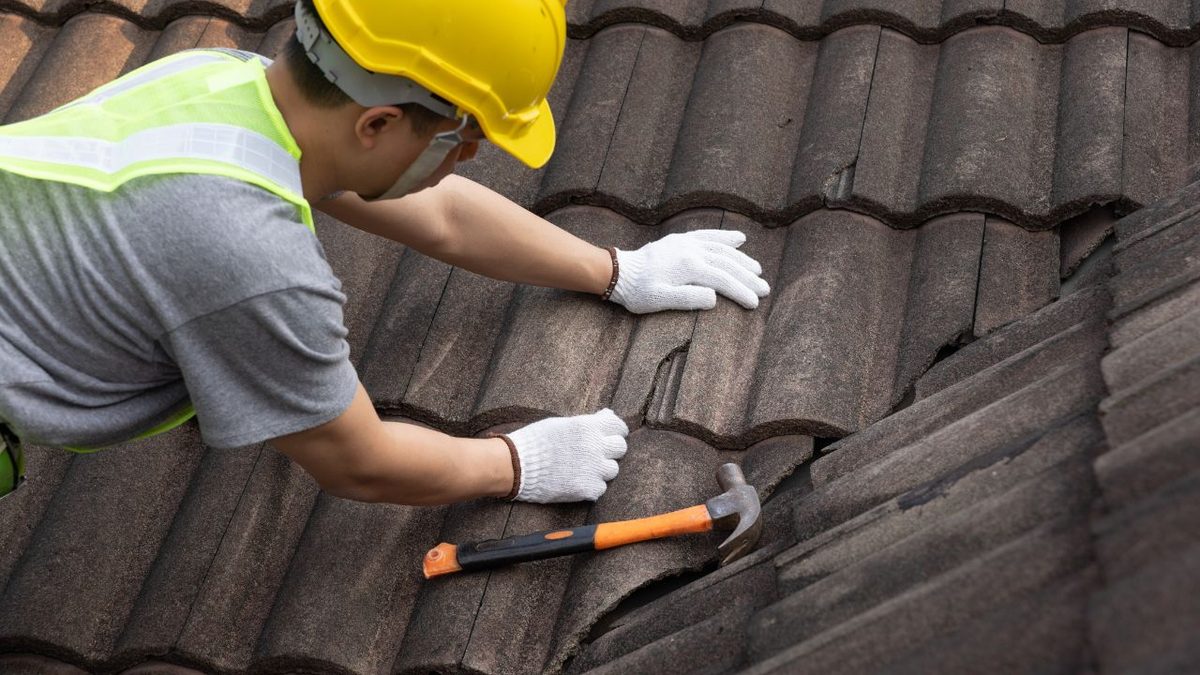
A complete exterior assessment begins with a roof walk or drone survey examining visible damage patterns. Inspectors examine shingles, flashing, gutters, vents, and chimneys for wear and impact damage from hail or wind-driven debris.
The interior assessment of attic space reveals problems not visible from outside. Hidden leaks, water stains, mold, and rot indicate active penetration requiring immediate attention to prevent structural deterioration.
What Types of Properties Are Inspected?
Residential properties account for the majority of storm damage assessments in Fox Valley. Commercial properties represent approximately 30% of the total storm damage restoration market value, requiring specialized inspection protocols.
Both property types benefit from professional evaluation after severe weather. Different construction methods and roofing materials demand specific inspection approaches to identify all potential damage.
When Should a Storm Roof Inspection Be Performed?
Schedule professional inspections at least once, preferably twice, a year during spring and fall. Seasonal assessments prepare roofs for extreme weather and identify damage from previous storms.
Schedule immediate inspection following severe weather events, including hail, high winds, or tornadoes. Inspections within 24 to 48 hours after major storm events prevent secondary damage like mold growth and preserve documentation timelines for insurance claims.
Why Is a Free Storm Roof Inspection Offered?
Roofing contractors offer free inspections as a lead-generation tool after severe weather strikes Fox Valley. These no-cost assessments allow property owners to determine whether damage exists without financial commitment.
Free inspections serve contractors seeking repair or replacement projects while providing homeowners with initial damage documentation. Understanding both benefits and limitations helps property owners make informed decisions about assessment services.
What Are the Benefits of a Free Inspection?
Free inspections offer no upfront cost, making damage assessment accessible to all property owners. Rapid response following storms provides immediate answers about roof condition without waiting for paid inspection scheduling.
Property owners gain preliminary damage documentation supporting insurance claim initiation. The initial evaluation identifies obvious problems requiring professional attention while helping homeowners understand storm impact severity.
What Are the Limitations of Free Inspections?
Free inspections often lack the detailed documentation needed for complex insurance claims or legal proceedings. Basic visual assessments may miss hidden damage in attic spaces or beneath surface materials.
Free inspections have high potential for bias compared to paid inspections that provide unbiased guidance. Contractors performing no-cost evaluations typically recoup costs through repair contracts, often taking 10-15% of insurance claim values.
How Do Free Inspections Differ from Paid Services?
Free inspections provide basic visual assessment from ground or ladder positions, focusing on obvious damage. Paid professional inspections cost $150 - $400 for standard residential properties and include comprehensive documentation with photographic evidence.
Independent paid inspectors deliver unbiased evaluations defensible in insurance disputes and legal proceedings. Drone inspections cost $150 - $400 for standard assessments or $400 - $600 for infrared/thermal imaging that detects moisture intrusion invisible to visual inspection.
What Do Inspectors Check During a Storm Roof Inspection?
Professional inspectors examine multiple roof components and systems during comprehensive assessments. A thorough roof inspection checklist ensures no critical damage goes undetected after severe weather events.
The inspection process combines exterior and interior evaluations to identify both visible and hidden problems. Documentation quality directly impacts insurance claim success and repair prioritization accuracy.
Which Exterior Roof Components Are Examined?
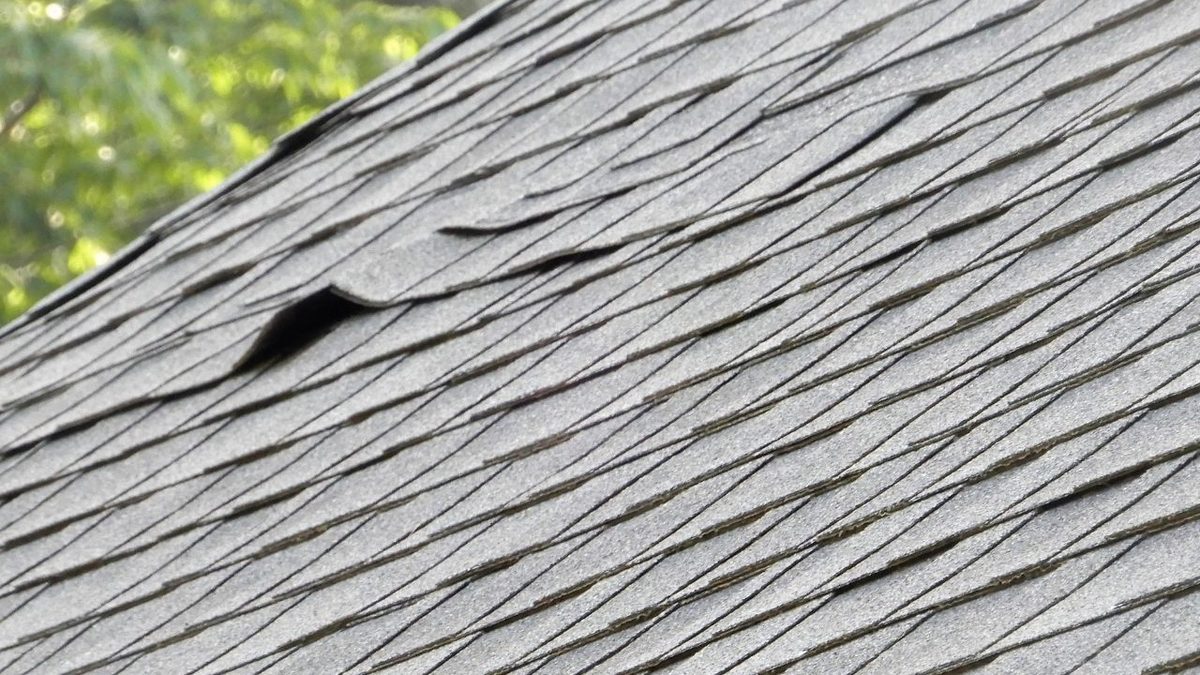
Exterior damage includes shingles, flashing, gutters, vents, and chimneys that protect against water intrusion. Inspectors look for missing or lifted shingles, dented or separated flashing, and impact damage to vents.
Each roof component serves specific structural and weatherproofing functions requiring individual assessment. Chimney flashing failures and gutter damage often indicate broader roof system problems requiring immediate attention.
What Interior Signs Indicate Roof Damage?
Visual signs include discoloration, sagging drywall, and mold growth in attics or ceiling surfaces. Water stains reveal active or previous leaks that may have compromised insulation, framing, or electrical systems.
Inspectors examine attic ventilation and insulation conditions alongside evidence of leaks. Moisture damage accelerates structural deterioration and creates health hazards requiring prompt remediation beyond simple roof repairs.
How Are Commercial Roofs Differently Inspected?
Commercial flat roof inspections focus on ponding water, membrane cracks, flashing integrity, and HVAC penetrations. Flat roof systems drain differently from residential pitched roofs, making water pooling a critical failure indicator.
Commercial materials include TPO and EPDM membranes, requiring specialized knowledge to assess properly. Commercial flat roof inspections cost $200 - $1,000+, depending on square footage and complexity, reflecting the time-consuming nature and specialized expertise required.
How Does Technology Improve Storm Roof Inspections?
Advanced technology enhances inspection accuracy while improving safety for both inspectors and property owners. Modern tools provide documentation quality and damage detection capabilities impossible with traditional visual assessments alone.
Technological advances have transformed the roof inspection industry over the past decade. Equipment costs continue declining while capabilities expand, making sophisticated assessment methods increasingly accessible.
What Role Do Drones Play in Roof Inspections?
Drone and aerial inspections use Unmanned Aerial Vehicles (UAVs) for comprehensive roof assessment without physical contact. The drone roof inspection market is projected to reach $889.2 million globally by 2035 with 14.4% annual growth.
High-resolution imagery captures damage details from angles impossible with ladder-based visual inspection. Drones safely access steep or storm-damaged roofs where traditional inspection methods pose significant safety risks.
How Does Thermal Imaging Detect Hidden Damage?
Thermal imaging cameras detect temperature variations indicating moisture intrusion beneath roof surfaces. Wet insulation or trapped water shows different thermal signatures than dry materials, revealing hidden leaks.
This technology identifies problems before visible interior damage appears on ceilings or walls. Early detection prevents extensive water damage and mold growth that significantly increases repair costs.
What Are the Advantages and Challenges of Aerial Inspections?
Drone inspections provide safe access compared to traditional inspections that may require unsafe roof access. Detailed visual records support insurance claims and provide ongoing condition monitoring over time.
Drone inspections are weather-dependent and cannot operate during high winds or precipitation. Specialized equipment and licensed pilots are required, limiting availability in some markets and increasing service costs.
When Is the Best Time to Schedule a Storm Roof Inspection?
Timing significantly impacts inspection effectiveness and insurance claim success following severe weather events. Understanding storm damage response protocols helps property owners protect their investments and maximize coverage.
Seasonal weather patterns in Illinois create specific roof stress points requiring proactive assessment. Strategic inspection scheduling prevents small problems from escalating into major failures.
Why Is Post-Storm Timing Critical?
Immediate inspection after severe weather documents damage while cause-and-effect relationships remain clear. Insurance claims often have one-year filing window requirements, but prompt documentation strengthens claim validity.
Secondary damage, like mold, develops if inspection is delayed after storms, causing water intrusion. Rapid assessment and temporary repairs prevent additional deterioration while permanent solutions are planned and approved.
How Do Seasonal Risks Affect Roof Damage?
Ice dams and snow weight stress roof structures during the fall and winter months. High winds, heavy rain, and hail damage occur primarily in spring and summer storms. Thermal shock from rapid expansion and contraction stresses roofing materials year-round. Winter roof inspections address cold-weather damage before spring storms compound existing problems.
How Often Should Routine Inspections Be Conducted?
Schedule professional inspections at least once, preferably twice annually, during spring and fall. Routine assessments identify gradual wear before it becomes emergency damage requiring expensive repairs.
Event-driven inspections following hail, high winds, or tornadoes supplement scheduled maintenance evaluations. Regular monitoring extends roof lifespan by addressing small problems before they compromise entire systems.
What Should Homeowners Consider When Choosing an Inspection Service?
Selecting qualified inspection services protects both immediate assessment quality and long-term claim validity. Understanding inspector credentials and certification importance helps property owners make informed decisions.
Consumer priorities differ based on property type and damage severity. Matching service level to specific needs ensures appropriate documentation without unnecessary expense.
How Important Is Professional Certification?
NRCIA and Haag provide inspector credentials demonstrating specialized training and ethical standards. Certified inspectors produce defensible reports accepted by insurance companies and legal proceedings.
Professional certification ensures inspectors follow industry best practices and remain current on materials and methods. Choosing qualified roofing contractors with proven credentials protects property owners from biased or incomplete assessments.
What Are Key Consumer Priorities in Inspections?
Safety and structural integrity are rated 95 out of 100 as a priority by homeowners. Thoroughness and detail are rated 90 out of 100, reflecting the importance of comprehensive damage documentation.
Time sensitivity is rated 88 out of 100, given the need for rapid post-storm response. Cost effectiveness at 85 out of 100 and insurance compliance at 82 out of 100 complete the top five consumer priorities.
How Can Documentation Impact Insurance Claims?
Detailed photographic evidence and written reports strengthen insurance claim validity and approval speed. Maximizing insurance coverage requires documentation meeting carrier-specific requirements for damage verification.
Professional reports clearly establish damage timing and cause, preventing claim denials based on pre-existing conditions. Comprehensive documentation also supports supplemental claims if additional damage becomes apparent during repairs.
How Does a Storm Roof Inspection Protect Your Home and Investment?
Professional roof inspections safeguard property value by identifying problems before they cause extensive damage. Understanding inspection importance before replacement decisions prevents unnecessary expenses and ensures appropriate repairs.
Regular assessment programs extend the roof system's lifespan and prevent emergency failures. Strategic maintenance based on inspection findings protects both immediate safety and long-term investment value.
In What Ways Does Inspection Mitigate Future Damage?
Early problem detection prevents small issues from escalating into structural failures requiring expensive emergency repairs. Timely repairs based on inspection findings stop water intrusion before it damages interior finishes and framing.
Proactive maintenance identified through regular inspections extends overall roof lifespan by 20-30%. Addressing minor problems preserves warranty coverage that may be voided by neglected maintenance.
How Does It Facilitate Insurance Compliance?
Regular inspection documentation demonstrates the proper maintenance required by many insurance policies for coverage continuation. Professional reports establish baseline roof condition supporting future storm damage claims.
Inspection records prove damage timing when carriers question whether problems pre-existed policy coverage. Meeting carrier documentation requirements speeds claim processing and approval.
How Does Regular Inspection Extend Roof Lifespan?
Systematic assessment identifies wear patterns requiring targeted repairs before complete system replacement. Addressing drainage problems, flashing failures, and ventilation issues prevents premature roof deterioration.
Professional inspections optimize repair timing to maximize material lifespan and minimize long-term costs. Strategic maintenance based on expert recommendations can extend roof service life five to ten years beyond typical replacement intervals.
The Importance of Free Storm Roof Inspection in Fox Valley and Its Role in Weather-Related Roof Care
Storm damage assessment services play a vital role in protecting Fox Valley properties from severe weather impacts. Illinois experiences some of the largest hailstones recorded in the Midwest, creating significant risk for both residential and commercial roofs. Major storm events in the Midwest frequently result in damages exceeding $100 million, making professional inspection services essential for property owners.
The Fox Valley and Greater Chicagoland area represent critical markets where timely damage assessment prevents costly failures. Free storm roof inspection services provide accessible entry points for homeowners seeking immediate answers after severe weather strikes their neighborhoods. Understanding what gets checked during professional assessments and why documentation quality matters helps property owners protect their investments through informed decision-making about inspection services and repair timing.
For over 30 years, Advanced Roofing Inc. has helped Fox Valley property owners navigate storm damage assessment and repair. Our GAF Master Elite certification and family-owned commitment to quality ensure every inspection delivers the documentation and expert guidance you need for successful insurance claims and long-term roof protection.
Schedule Your Free Storm Roof Inspection in Fox Valley Today
Severe weather doesn't wait — and neither should you. Advanced Roofing Inc. has served Fox Valley homeowners for over 30 years as a GAF Master Elite® Certified contractor. If your property took a hit from hail, high winds, or heavy storms, our team provides thorough on-site assessments with detailed documentation to support your insurance claim and protect your home. Contact Advanced Roofing Inc. to request your free inspection online, and get answers before secondary damage sets in.