Commercial property owners face unique challenges protecting their investments from Illinois's severe weather patterns. Storm damage to business roofs differs significantly from residential properties due to flat roof construction and specialized materials. Understanding what to inspect after hail, wind, and snow events prevents catastrophic water damage and operational shutdowns. Proper inspection timing and documentation directly affect insurance coverage and long-term asset protection.
Key Takeaways
- Commercial flat roofs require specialized inspection after severe Illinois weather events, including hail, wind, and heavy snow
- Schedule inspections within 24 to 48 hours after major storms to prevent secondary damage like mold and structural deterioration
- Professional inspections range from $200 to $1,000+, depending on building size and assessment complexity
- Proper documentation of ponding water, membrane damage, and flashing failures is critical for insurance claims
- Routine inspections twice yearly, combined with post-storm assessments, extend roof lifespan and reduce operational disruptions
What Defines Commercial Flat Roofs and Their Vulnerabilities to Storm Damage?
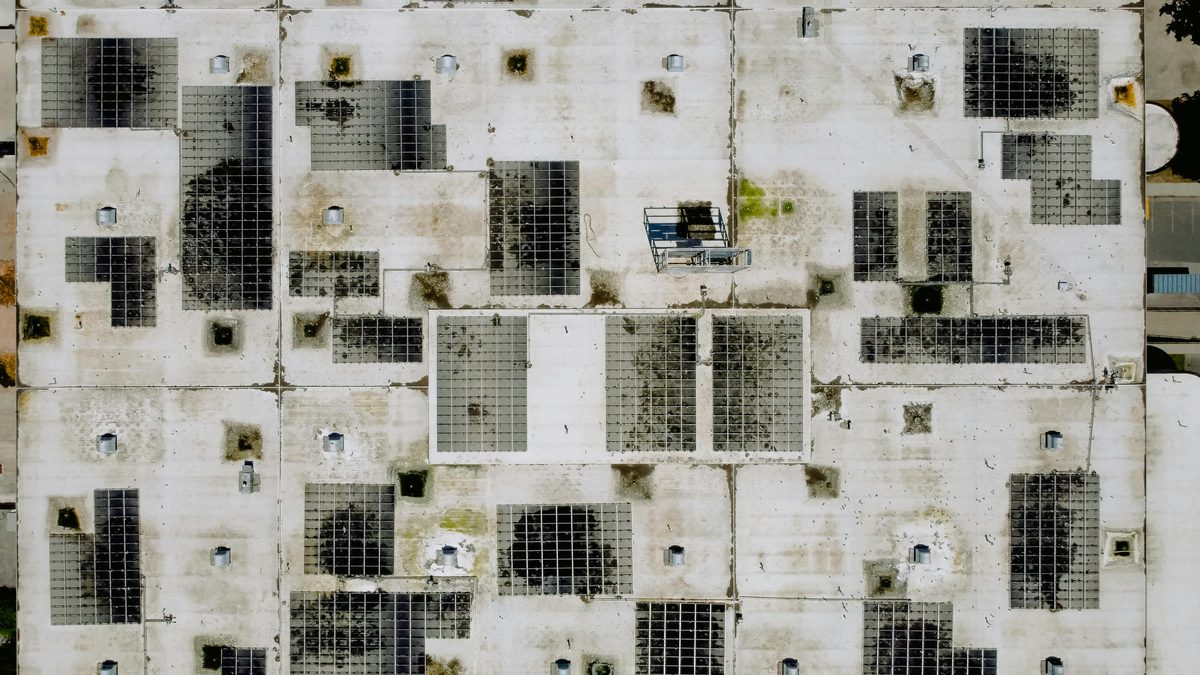
Commercial flat roofs use specialized construction methods that create distinct vulnerabilities during severe weather. These structures require different inspection approaches than traditional pitched residential roofs. Understanding material composition and regional weather patterns helps property managers prioritize inspection frequency and focus areas.
Flat roof systems serve commercial buildings throughout Illinois due to their cost efficiency and installation simplicity. However, their horizontal orientation creates challenges that steep-pitch residential roofs avoid naturally.
What Are the Common Commercial Flat Roofing Materials and Structures?
Illinois commercial roofing systems typically use thermoplastic polyolefin (TPO) or ethylene propylene diene monomer (EPDM) membranes. These materials require specialized knowledge to inspect properly and identify storm-related damage patterns. Single-ply membranes offer durability but remain vulnerable to punctures from hail and debris impacts.
Built-up roofing and modified bitumen systems represent traditional commercial construction methods still common across older properties. Understanding roof components and structure helps inspectors identify failure points where water penetration begins.
How Do Severe Illinois Weather Conditions Affect Flat Roofs?
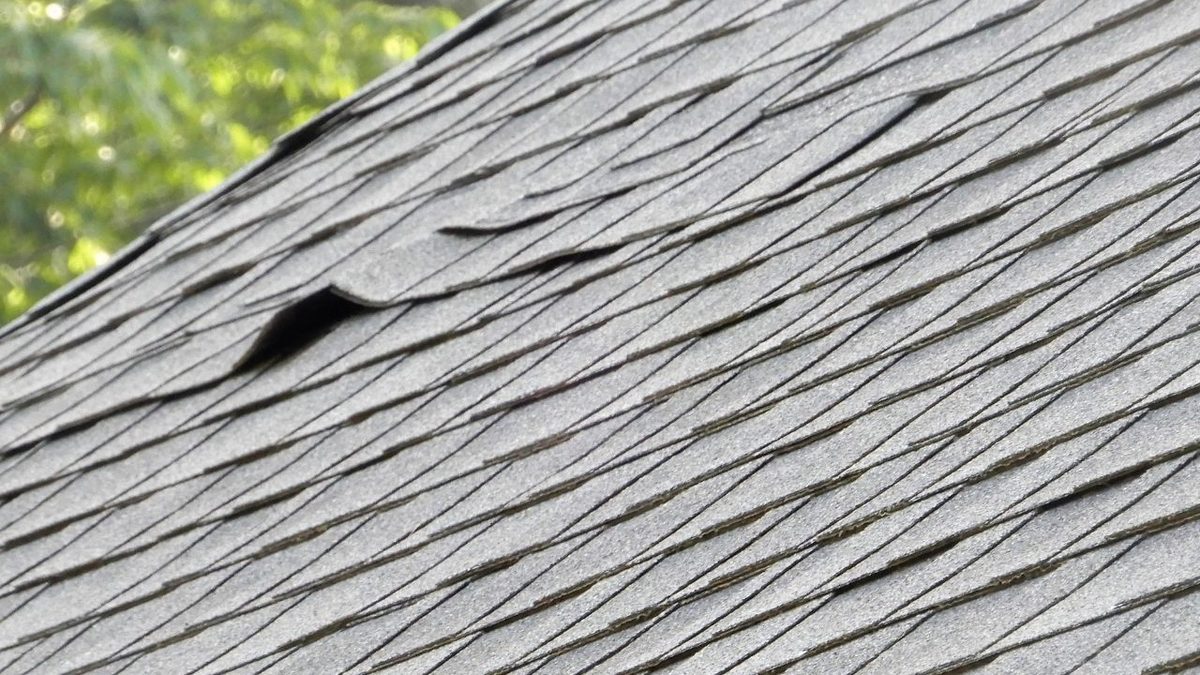
Illinois experiences some of the largest hailstones recorded in the Midwest, creating immediate puncture risks. Hail impacts flatten or crack membrane surfaces, compromising waterproof barriers that protect building interiors. Spring and summer months bring high winds exceeding 60 mph that lift membrane edges and tear flashing connections.
Fall and winter conditions introduce thermal shock through rapid temperature fluctuations between day and night. Ice dams form when inadequate drainage prevents water from flowing off flat surfaces properly. Snow weight stress increases exponentially when drainage systems fail, potentially causing structural collapse in older buildings.
What Typical Damage Patterns Occur on Commercial Flat Roofs After Storms?
Ponding water can degrade roofing membrane on flat roofs when drainage systems become clogged or damaged. Standing water accelerates membrane deterioration, creating leak pathways within months instead of years. Wind-driven rain forces water under loose flashing and through seam separations invisible from ground level.
Hail creates distinct circular impact marks that weaken membrane integrity even without immediate punctures. These impact zones become future failure points as thermal expansion cycles stress already-compromised material.
Why Is Regular Storm Damage Inspection Critical for Illinois Business Owners?
Immediate post-storm assessment prevents minor damage from escalating into expensive structural repairs and inventory losses. Business continuity depends on maintaining waterproof building envelopes that protect operations and equipment. Delayed inspections allow hidden moisture penetration to compromise structural components and electrical systems.
Insurance policy compliance requires documented damage assessment within specific timeframes following weather events. Missing inspection windows can void coverage or reduce claim payouts significantly.
How Does Timely Inspection Prevent Costly Repairs and Operational Disruptions?
Secondary damage, like mold, can occur without immediate post-storm inspection within 24 to 48 hours. Moisture trapped in insulation layers and ceiling cavities creates ideal conditions for microbial growth. Catastrophic water damage to commercial inventory and operations without inspection escalates from thousands to hundreds of thousands in losses.
Early detection of membrane breaches allows temporary repairs that prevent interior damage during claim processing. Proactive roof maintenance, inspection, and repairs reduce long-term ownership costs and extend system lifespan.
What Are Insurance Requirements and Compliance Considerations?
Most commercial property insurance policies require notification within one year of storm damage discovery. However, documenting damage immediately after severe weather strengthens claim validity and prevents coverage disputes. Carriers expect professional inspection reports detailing damage extent, probable causes, and repair cost estimates.
Failure to maintain regular inspection records may trigger coverage exclusions for pre-existing conditions. Understanding Illinois insurance claims for roof damage helps business owners maximize their coverage when filing.
When Is the Optimal Time to Inspect After a Storm Event?
Schedule inspections within 24 to 48 hours after a major storm event to document fresh damage. This timing prevents confusion between new storm damage and pre-existing wear patterns during insurance adjustments. Post-storm inspections are event-driven assessments following severe weather rather than routine maintenance schedules.
Waiting longer than 72 hours allows secondary water damage to obscure original impact locations. Fresh hail damage shows clear impact characteristics that fade as membrane materials relax and weather conditions change.
What Are the Main Inspection Methods for Commercial Flat Roofs?
Professional commercial flat roof inspection methods vary based on building size, roof accessibility, and damage assessment complexity. Each approach offers distinct advantages for identifying specific damage types and documentation requirements. Combining multiple inspection techniques provides a comprehensive damage assessment that supports insurance claims and repair prioritization.
Technology advances have introduced remote assessment capabilities that reduce inspection time and improve safety outcomes. Traditional hands-on methods remain essential for validating remote findings and assessing structural integrity.
How Do Professional On-Site Visual Inspections Detect Surface and Structural Issues?
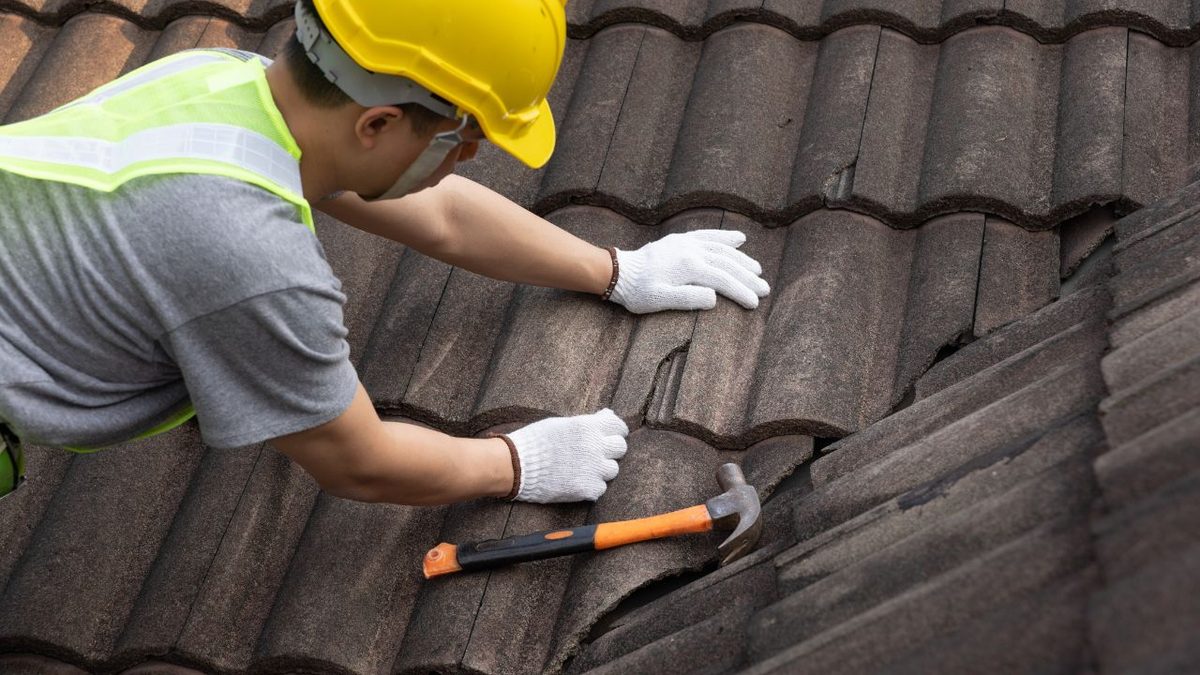
Certified inspectors conduct systematic walking surveys across accessible roof sections, examining membrane condition and drainage function. Surface inspections identify visible punctures, tears, and membrane separation at seams and penetrations. Inspectors document flat roof damage signs, including loose fasteners and deteriorated flashing materials.
Interior ceiling inspections reveal water staining patterns that indicate active leak locations requiring immediate attention. Attic and plenum space assessments detect hidden moisture accumulation before visible damage appears in occupied spaces.
What Advantages Do Drone and Aerial Inspections Offer for Flat Roof Assessments?
Drone inspections use Unmanned Aerial Vehicles (UAVs) for roof assessment without requiring physical roof access. High-resolution imaging captures damage details across large commercial buildings in minutes versus hours for walking inspections. The drone roof inspection market, projected to reach $889.2 million globally by 2035, reflects growing industry adoption.
Thermal imaging capabilities detect moisture trapped beneath membrane surfaces invisible to visual inspection alone. Drone inspections cost $150 to $400 for standard services and $400 to $600 for infrared and thermal imaging.
When Should Thermal and Infrared Imaging Be Used?
Thermal imaging detects temperature variations caused by moisture accumulation beneath roofing membranes and insulation layers. This technology identifies wet insulation requiring replacement even when surface membranes appear intact from visual inspection. Infrared assessments work best during temperature differential periods between day and night or after precipitation events.
Moisture detection prevents replacing only visible damage while leaving saturated insulation that compromises energy efficiency. Comprehensive commercial roofing systems inspection combines thermal technology with traditional assessment methods.
What Key Components Should Business Owners Inspect on Their Commercial Flat Roofs?
A comprehensive business owner inspection checklist focuses on critical failure points where storm damage typically manifests first. Understanding component-specific vulnerabilities helps prioritize inspection resources during post-storm assessment windows. Systematic component evaluation ensures no potential damage areas get overlooked during visual surveys.
Drainage systems and waterproofing membranes represent the most critical inspection priorities following severe weather events. Penetrations and flashing connections require particular attention due to their vulnerability during high winds.
How to Identify and Assess Ponding Water and Drainage Problems?
Ponding water degrades the roofing membrane if drainage systems fail or become clogged with debris. Standing water remaining 48 hours after precipitation indicates inadequate slope or blocked drainage pathways requiring correction. Inspectors measure water depth and map ponding locations to assess damage severity and drainage system capacity.
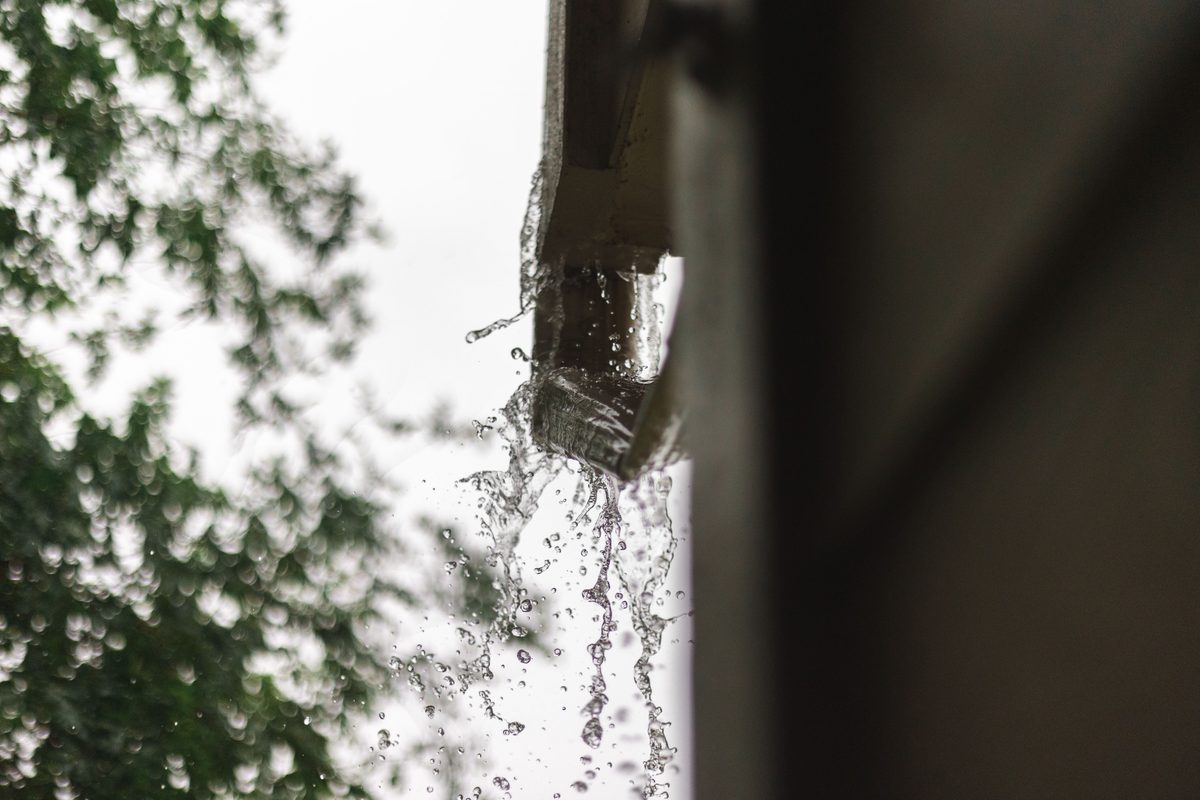
Drain screens clogged with leaves and debris prevent proper water flow during heavy rain events. Scupper openings and internal drain connections require clearing to restore the designed drainage performance after storms.
What Signs of Membrane Cracks, Tears, and Blistering Are Critical?
Commercial flat roof inspections focus on ponding water, membrane cracks, flashing integrity, and HVAC penetrations. Surface blistering indicates trapped moisture or poor membrane adhesion that worsens during thermal cycling and freeze-thaw conditions. Membrane tears typically originate at stress points, including penetrations, seams, and building expansion joints.
Alligatoring patterns show advanced UV degradation accelerated by storm debris abrasion and standing water exposure. These surface texture changes indicate membrane replacement necessity rather than simple patch repairs.
How to Evaluate Flashing Integrity and Penetrations, Including HVAC Systems?
Metal flashing connections at parapet walls and equipment curbs frequently separate during high wind events. Gaps between flashing and membrane allow water infiltration directly into building interiors and insulation layers. HVAC equipment penetrations represent common leak sources when mounting hardware loosens or sealant materials deteriorate from storm impacts.
Vent pipe flashings and skylight assemblies require individual inspection for proper sealing and mechanical attachment integrity. Understanding best practices in commercial roof management helps property managers maintain these critical waterproofing details.
How Do Different Inspection Services Compare for Commercial Flat Roofs?
Illinois commercial property owners choose between free contractor-provided inspections and paid independent assessment services. Each option offers distinct advantages depending on the property owner's priorities and insurance claim requirements. Understanding service differences helps business owners select appropriate inspection approaches for their specific situations.
Market trends show increasing preference for certified independent inspections that provide unbiased damage documentation. Free inspection services remain common but carry inherent conflicts of interest that affect assessment objectivity.
What Are the Differences Between Free and Paid Professional Roof Inspections?
Free inspections are typically offered by roofing contractors as a lead-generation tool following major storm events. These assessments provide basic damage identification without detailed documentation or unbiased repair recommendations. Paid inspections are conducted by certified, independent inspectors providing unbiased assessments with comprehensive written reports.
Free inspection contractors often take 10 to 15 percent of insurance claim values through repair contracts. Free inspections have high potential for bias and sales pressure compared to fee-based independent assessments.
When Is It Beneficial to Use Certified Independent Inspectors?
Independent certified inspectors provide defensible documentation for complex insurance claims and dispute resolution scenarios. Their unbiased assessments carry greater credibility with insurance adjusters than contractor-provided free inspections during coverage negotiations. Certification from organizations like NRCIA and Haag demonstrates technical competency and adherence to professional inspection standards.
Property owners benefit from independent inspections when evaluating repair versus replacement decisions affecting long-term budgets. Third-party assessments eliminate contractor bias toward expensive replacement recommendations when repairs suffice.
What Are Typical Costs and Market Trends in Illinois?
Commercial flat roof inspections cost $200 to $1,000 or more, depending on square footage and assessment complexity. Larger facilities require more inspection time and generate more extensive documentation, increasing service costs proportionally. The global storm damage restoration services market, valued at approximately $50 billion in 2025, reflects growing industry demand.
Projected to reach $85 billion by 2033 at a 7 percent CAGR indicates sustained market growth. The US roofing market is projected to grow from $34.66 billion in 2026 to $46.67 billion by 2031 at a 6.13 percent CAGR, showing strong industry expansion. Commercial properties represent approximately 30 percent of the total storm damage restoration market value.
How Should Business Owners Document and Act on Commercial Flat Roof Storm Damage?
Proper documentation separates successful insurance claims from denied or underpaid settlements following storm events. Systematic evidence collection creates defensible records that withstand adjuster scrutiny and potential litigation if coverage disputes arise. Understanding documentation requirements before storm damage occurs streamlines the claims process when severe weather strikes.
Prioritizing repairs based on inspection findings prevents minor issues from escalating while managing cash flow constraints. Strategic repair sequencing maintains business operations while addressing the most critical vulnerabilities first.
What Are Best Practices for Visual Evidence Collection and Reporting?
Photographic documentation should include wide-angle context shots showing overall roof conditions and close-up detail images. Date-stamped images taken immediately after storms establish damage timelines critical for insurance claim validation procedures. Video walkthroughs provide comprehensive damage records that static photographs cannot capture as effectively.
Written inspection reports must detail damage locations, probable causes, and recommended repair specifications with cost estimates. Professional reports include material specifications and labor requirements that contractors use for accurate bidding purposes.
How to Prioritize Repairs Based on Inspection Findings?
Active leak sources require immediate temporary repairs, preventing ongoing interior damage during insurance claim processing periods. Membrane tears and penetration failures receive priority over cosmetic damage that doesn't compromise waterproofing integrity immediately.
Understanding storm damage to your roof helps owners make informed repair decisions.
Drainage system repairs prevent ponding water that accelerates membrane degradation across larger roof areas over time. Flashing repairs at critical junctions protect structural components from water infiltration, causing expensive secondary damage.
How Does Documentation Affect Insurance Claims and Restoration?
Comprehensive documentation supports higher claim settlements by providing clear evidence of the extent of storm damage and its causation. Adjusters rely on detailed inspection reports to differentiate between storm damage and pre-existing maintenance deficiencies. Missing documentation allows carriers to attribute damage to poor maintenance rather than covered weather events.
Professional inspection reports from certified inspectors carry greater weight during coverage disputes than property owner photographs alone. Third-party documentation eliminates perceived policyholder bias in damage assessment and repair cost estimation.
What Are the Best Maintenance and Inspection Practices to Protect Illinois Commercial Flat Roofs?
Proactive maintenance and regular inspection schedules prevent small issues from becoming expensive emergency repairs during severe weather. Establishing routine assessment protocols ensures consistent roof monitoring regardless of staff turnover or operational distractions. Preventive strategies extend roof system lifespan while reducing total ownership costs over time.
Seasonal weather patterns in Illinois require specific inspection timing to address climate-related vulnerabilities before damage occurs. Strategic maintenance investments prevent premature roof replacement while maintaining uninterrupted business operations.
How Often Should Routine and Post-Storm Inspections Be Scheduled?
Conduct professional inspections at least once, preferably twice, a year to maintain roof system health. Schedule inspections typically in spring and fall to address seasonal weather impacts and prepare for upcoming temperature extremes. Spring assessments identify winter damage from ice and snow while fall inspections prepare roofs for freeze-thaw cycles.
Post-storm inspections supplement routine schedules following severe weather events, regardless of regular inspection timing. Event-driven assessments document fresh damage before subsequent weather events complicate causation determination during insurance claims.
What Preventive Measures Extend Roof Lifespan Amid Seasonal Risks?
Regular drainage cleaning prevents debris accumulation that causes ponding water and accelerates membrane deterioration during heavy precipitation. Maintaining proper attic ventilation and insulation reduces thermal shock stress on roofing materials during temperature fluctuations. Proactive flashing maintenance and sealant renewal prevent water infiltration at vulnerable penetrations and transitions.
Vegetation management around buildings reduces debris loading on roof surfaces during wind events and seasonal leaf drop. Tree trimming prevents branch impacts that puncture membranes and create immediate leak pathways during storms.
How Can Business Owners Choose Qualified and Certified Inspection Professionals?
NRCIA and Haag are examples of credentialing organizations for inspectors demonstrating technical competency and professional standards. Certification verification ensures inspectors possess current knowledge of commercial roofing systems and assessment methodologies. Licensed professionals carry appropriate insurance protecting property owners from liability during inspection activities.
References from similar commercial properties provide insight into inspector's thoroughness and documentation quality before engagement. Reviewing sample inspection reports reveals documentation standards and technical detail levels that support insurance claim requirements.
Commercial Flat Roof Storm Damage Inspection in Illinois: Synthesizing Risk Management, Inspection Strategies, and Business Protection
Illinois business owners face significant storm-related risks requiring strategic inspection and maintenance approaches for commercial flat roof protection. Combining routine assessment schedules with immediate post-storm inspections creates comprehensive damage detection systems, preventing catastrophic losses. Professional documentation standards support successful insurance claims while providing actionable repair guidance that maintains business continuity.
Market growth in professional inspection services reflects increasing recognition that expert assessments provide superior value compared to free alternatives. Investing in certified independent inspectors and advanced assessment technologies delivers long-term cost savings through early damage detection. Strategic maintenance combined with proper inspection timing extends roof lifespan while minimizing operational disruptions from weather-related failures.
Property managers who implement systematic inspection protocols protect their commercial investments while maintaining compliance with insurance requirements. Advanced Roofing Inc. brings three decades of Illinois commercial roofing expertise to help business owners navigate complex inspection and repair decisions. Their certified professionals understand regional weather patterns and material-specific vulnerabilities that affect commercial property protection.
Schedule a Commercial Flat Roof Inspection with Advanced Roofing Inc.
Storm damage on a commercial flat roof doesn't always show up right away. Hidden moisture, compromised membranes, and failed flashing can go undetected for weeks — until the interior damage is already done.
Advanced Roofing Inc. has inspected and restored commercial roofs across the Fox Valley and greater Chicagoland area for over 30 years. Our team is GAF Master Elite® certified and experienced with every major flat roofing system, including TPO, EPDM, built-up, and modified bitumen. We document damage thoroughly, work directly with insurance companies, and provide honest assessments with no sales pressure.
Protect your commercial property investment with professional storm damage assessment and comprehensive roof management strategies. Contact Advanced Roofing Inc. today to schedule your commercial flat roof inspection with certified experts who prioritize your business continuity and long-term asset protection.