Key Takeaways
- Attic condensation occurs when warm, moist air contacts cold attic surfaces, causing water damage and mold.
- Air leaks, poor insulation, and inadequate ventilation contribute to attic humidity, making condensation worse.
- Illinois winters create ideal conditions for attic condensation, especially with freeze-thaw cycles and temperature fluctuations.
- Proper attic insulation, air sealing, and ventilation are crucial to prevent condensation and avoid costly repairs.
- Professional inspections and services can help identify and resolve attic condensation issues before they escalate.
Attic condensation is a common but often overlooked issue, particularly during the cold winter months in Illinois. As warm, moist air rises into the attic and meets cold surfaces, condensation forms, leading to potential damage to your roof and home. The freezing and thawing of moisture can cause the wood, shingles, and insulation in your attic to deteriorate, creating a perfect environment for mold growth. Understanding the causes and impacts of attic condensation is vital to prevent expensive repairs and ensure the longevity of your roof. Proper insulation, ventilation, and air sealing are key factors in combating this problem.
What Is Attic Condensation?
Attic condensation occurs when moisture-laden air meets cold surfaces in your attic space. This common Illinois roof issue causes water damage, mold growth, and structural deterioration when left unchecked. Understanding the basics helps you protect your home during winter.
How Does Attic Condensation Form?
Attic condensation forms when warm, humid air rises from your living space and contacts cold attic surfaces. The temperature difference causes moisture in the air to turn into water droplets on rafters, sheathing, and insulation.
The problem worsens when temperatures drop below freezing. Water expands by approximately 9% when it freezes. This expansion exerts immense pressure on wood and roofing materials through frost weathering. Over repeated freeze-thaw cycles, this process cracks and degrades your roof structure from the inside out.
What Are the Primary Causes of Attic Condensation?
Air leaks cause most attic humidity problems. Warm air escapes into the attic through unsealed penetrations like light fixtures, plumbing vents, and access hatches. Poorly insulated ceilings compound the issue by allowing heat transfer into the cold attic space.
Here's what many homeowners don't realize: air sealing matters more than insulation depth for condensation prevention. You can have thick insulation, but if gaps exist around ceiling penetrations, warm, moist air bypasses everything and heads straight for your cold roof deck.
What Is the Impact of Seasonal Changes on Attic Condensation?
Winter creates ideal conditions for attic condensation in Illinois. The low sun angle and short daylight hours following the winter solstice produce the coldest temperatures of the year. This maximizes the temperature difference between your warm home and frigid attic.
December 2023 saw Illinois statewide averages of 39.2°F—actually 7.6°F above normal. Even in milder winters, the temperature swings between day and night create constant condensation cycles. Proper winter roof care requires addressing these conditions before they cause lasting damage.
Why Is Attic Condensation a Problem in Illinois?
Illinois winters create a perfect storm for attic moisture problems. The state's volatile weather patterns push roofing systems to their limits. Understanding these regional challenges is essential for effective condensation prevention.
How Does Illinois' Winter Weather Contribute to Attic Condensation?
Illinois roof issues stem largely from freeze-thaw cycles. Chicago experiences an average of 6.5 freeze-thaw events per year, according to the Chicago Metropolitan Agency for Planning. Each cycle stresses roofing materials and worsens existing moisture problems.
A freeze-thaw cycle occurs when temperatures drop below 32°F and then rise above it. Water in your attic freezes, expands, then melts again. This repeated process fatigues materials, opens new entry points for moisture, and accelerates structural damage throughout the winter season.
What Makes December Particularly Vulnerable for Attic Condensation?
December hits Illinois attics hard. Chicago area temperatures fluctuate between an average high of 37°F and a low of 23°F during this month. This range constantly crosses the freezing point—the exact conditions that drive the most destructive winter phenomena.
Your attic experiences these temperature swings daily. Each crossing of the 32°F threshold triggers another freeze-thaw cycle. December's short days and long, cold nights maximize attic humidity buildup, making winter roof care especially critical during this month.
How Does Attic Insulation Affect Condensation Issues in Illinois?
Wet insulation creates a dangerous feedback loop. When moisture saturates your insulation, it can lose up to 50% of its thermal resistance. This allows more heat into the attic, which attracts more moisture, which further degrades the insulation.
Illinois homes need robust insulation to break this cycle. The recommended R-value for this climate zone is R-49 to R-60—roughly 16 to 20 inches of blown-in material. Proper insulation keeps the attic cold, reduces attic condensation, and maintains the temperature separation your roof needs to stay dry.
How Does Attic Condensation Affect My Roof in December?
December puts Illinois roofs under maximum stress. Attic condensation doesn't just create moisture—it triggers a chain reaction of structural damage. Knowing the risks helps you prioritize winter roof care before small problems become expensive repairs.
What Damage Can Attic Condensation Cause to Roof Structure?
Moisture destroys roofs from the inside out. Water penetrates microscopic cracks and pores in shingles, flashing, and masonry. When that water freezes, it expands and widens these fissures. Each freeze-thaw cycle makes the damage worse.
This mechanical stress accumulates over time. Shingles crack and blister. Flashing separates from surfaces. Eventually, the roof membrane fails entirely. What starts as invisible attic humidity ends as visible leaks and structural compromise.
How Does Condensation Lead to Mold and Mildew in the Attic?
Persistent moisture creates ideal conditions for mold growth. Damp wood, wet insulation, and poor airflow let mold colonies establish quickly. Once present, mold spreads fast and poses health risks to your household.
The costs add up quickly. Professional attic mold remediation averages $3.50 to $7.50 per square foot in 2025. Insulation replacement runs up to $4 per square foot. A 1,000-square-foot attic could cost $7,500 or more to remediate—far exceeding the cost of condensation prevention.
Can Attic Condensation Cause Ice Dams on Roofs?
Yes. Ice dams are a direct consequence of attic condensation and heat loss. When warm air escapes into the attic, it heats the roof deck. Snow melts, runs down the roof, then refreezes at the cold eave overhang. This creates a dam of ice.
Water pools behind the dam with nowhere to go. It forces its way under shingles through capillary action and hydrostatic pressure, causing leaks into your home. Professional ice dam removal averages $1,200, with severe cases reaching $4,000. This common Illinois roof issue is entirely preventable with proper attic management.
How Can Poor Ventilation Make the Problem Worse in Winter?
Inadequate ventilation traps warm, moist air in your attic. The minimum standard requires 1 square foot of net free ventilation area per 150 square feet of attic floor space. Many Illinois homes fall short of this baseline.
Poor ventilation also intensifies freeze-thaw damage. The micro-cycles occurring on your roof surface—driven by solar gain during the day and heat loss at night—far exceed ambient freeze-thaw counts. Without proper airflow to regulate temperature, these cycles accelerate material fatigue throughout December and beyond.
How Can I Prevent Attic Condensation in December?
Condensation prevention requires a systematic approach. The goal is simple: keep your attic cold and dry. These strategies address the root causes of attic humidity and protect your roof throughout Illinois winters.
What Are the Best Practices for Attic Insulation to Prevent Condensation?
Create a "cold roof" for lasting protection. A cold roof keeps the deck at or near outdoor temperature, preventing snow from melting prematurely. This eliminates the melt-refreeze cycle that causes ice dams and moisture infiltration.
Insulation depth matters. Illinois homes need R-49 to R-60 insulation—about 16 to 20 inches of blown-in material. But remember: insulation only works when air sealing is complete. Seal every penetration first, then insulate to the proper depth for your climate zone.
How Can Proper Ventilation Reduce Attic Condensation?
Balanced ventilation keeps attics dry. The ideal system pairs continuous soffit vents for intake with a continuous ridge vent for exhaust. This configuration creates steady airflow from eave to peak.
The circulation serves two purposes. It flushes warm air that leaks into the attic from your living space. It also cools the underside of the roof deck, maintaining uniform temperatures below freezing. Effective winter roof care depends on this airflow working year-round.
What Are the Benefits of Using a Vapor Barrier in Your Attic?
Vapor barriers block moisture migration. They prevent warm, humid air from bypassing insulation and reaching the cold roof deck. Without this barrier, moisture travels through ceiling materials and condenses on cold surfaces above.
Unsealed gaps defeat the purpose entirely. Even small openings allow significant amounts of warm, moist air through. A properly installed vapor barrier, combined with thorough air sealing, stops attic condensation at its source.
How Do Humidity Levels Affect Condensation in Your Attic?
Indoor humidity directly impacts attic moisture levels. Higher humidity means more moisture available to condense on cold surfaces. However, no standardized metrics exist for "excessive" humidity in relation to attic condensation—making monitoring essential.
Smart home technology offers a practical solution. Temperature and moisture sensors provide real-time attic monitoring, a growing trend in 2023-2025. These tools alert you to rising attic humidity before visible damage occurs, enabling proactive intervention for Illinois roof issues.
What Are the Signs of Attic Condensation Problems?
Early detection prevents costly repairs. Attic condensation often goes unnoticed until significant damage occurs. Regular inspections help you catch warning signs before they escalate into serious Illinois roof issues.
What Visible Signs Indicate Attic Condensation?
Look for frost and moisture on cold surfaces. Condensation buildup appears on attic sheathing and rafters during winter months. You may see visible ice crystals and water droplets clinging to wooden roof components.
These signs are easiest to spot during cold snaps. Grab a flashlight and inspect your attic on a frigid December morning. Frost on the underside of the roof deck confirms attic humidity is reaching problematic levels. Address it before temperatures rise and that frost melts into your insulation.
How Can You Detect Hidden Water Damage in Your Attic?
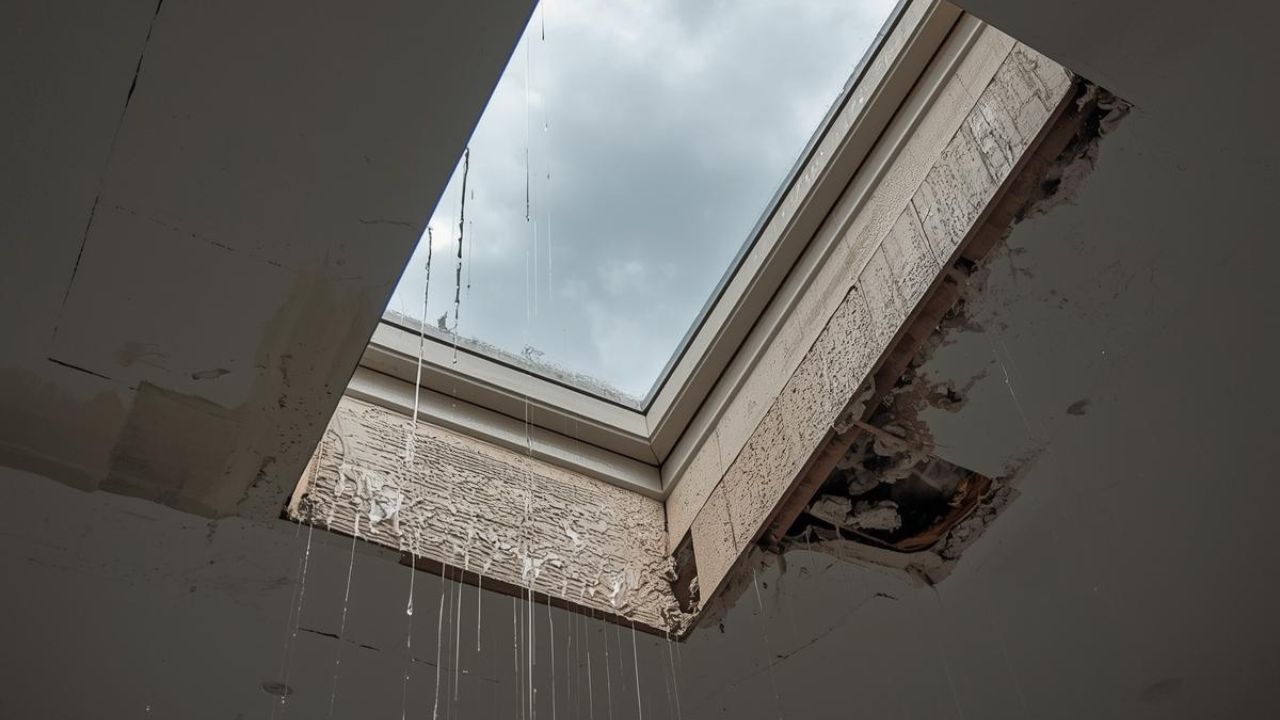
Hidden damage requires closer inspection. Check insulation for dampness or compression—soggy insulation loses its loft and effectiveness. Look for warped drywall on ceilings below the attic. Dark stains or musty odors indicate early mold growth.
Catching damage early saves money. Repairs for internal damage—replacing insulation, fixing drywall, and mitigating mold—typically cost between $400 and $2,000 or more. Routine winter roof care includes periodic attic checks to identify problems before repair bills climb.
How Does Attic Condensation Lead to Ice Dams and Roof Leaks?
Attic condensation signals the thermal imbalance that creates ice dams. The chain reaction works like this: heat escapes into the attic, melts snow on the roof, and water refreezes at the cold eaves. The ice dam grows with each cycle.
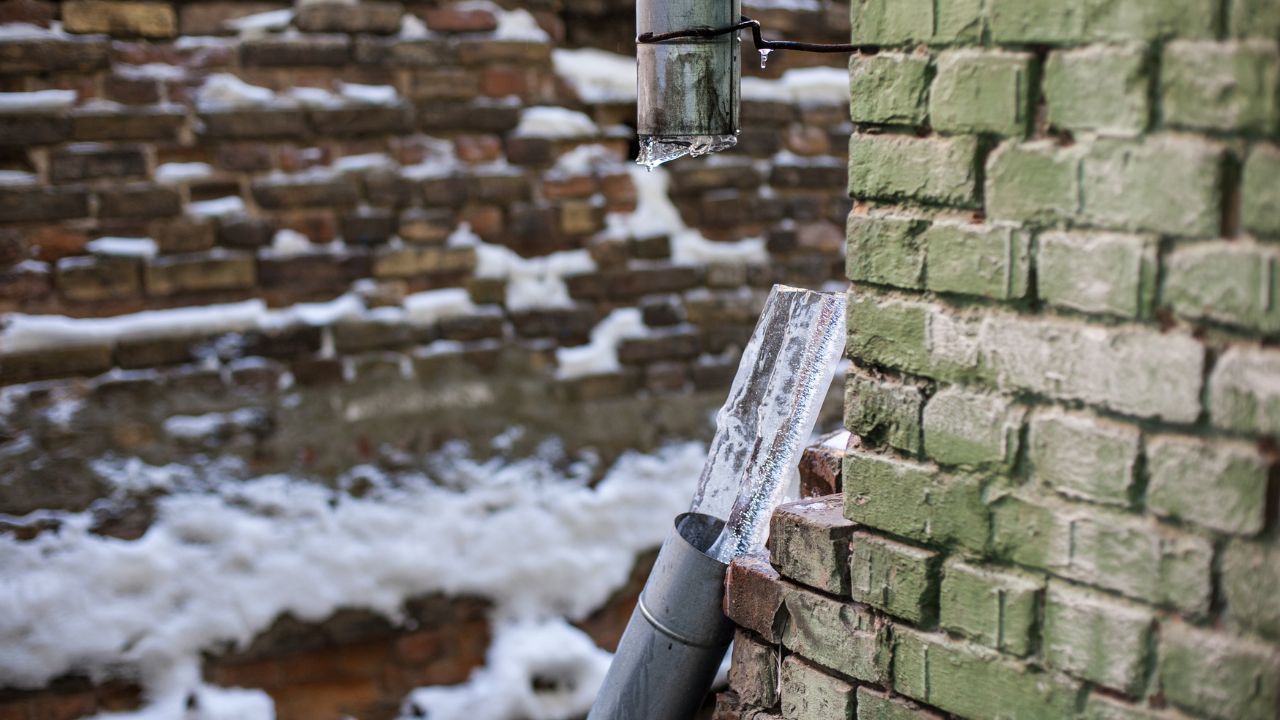
Ice dams block drainage entirely. Melting snow has nowhere to go, so water backs up under shingles and penetrates your roof. If you see icicles forming at your eaves, check your attic immediately. Condensation prevention stops this cycle before leaks begin.
Should I Hire a Professional for Attic Condensation Issues?
Some attic problems exceed DIY capabilities. Professionals bring specialized equipment, diagnostic expertise, and comprehensive solutions. Knowing when to call for help protects your home and often saves money long-term.
When Is It Necessary to Call a Roofing Expert for Attic Problems?
Call a professional when ice dams become severe. Large ice dams require specialized steaming equipment to remove safely without damaging shingles. Improper removal techniques—like chipping with tools—can void warranties and cause more harm than the ice itself.
Emergency services come at premium rates. Specialized ice dam removal can cost up to $725 per hour with a two-hour minimum. This expense underscores the value of condensation prevention. Addressing attic humidity before ice dams form is far cheaper than emergency intervention.
How Can a Professional Help with Roof and Insulation Issues Caused by Condensation?
Professionals focus on air sealing as the foundational fix. Industry emphasis on this approach has grown significantly from 2023 to 2025. Experts understand that stopping air leaks matters more than simply adding insulation.
A qualified contractor identifies and seals every leak point. This includes gaps around chimneys, electrical wiring, plumbing stacks, and recessed lighting. These hidden penetrations often escape homeowner detection but contribute heavily to attic condensation and related Illinois roof issues.
What to Expect During a Professional Inspection for Attic Condensation?
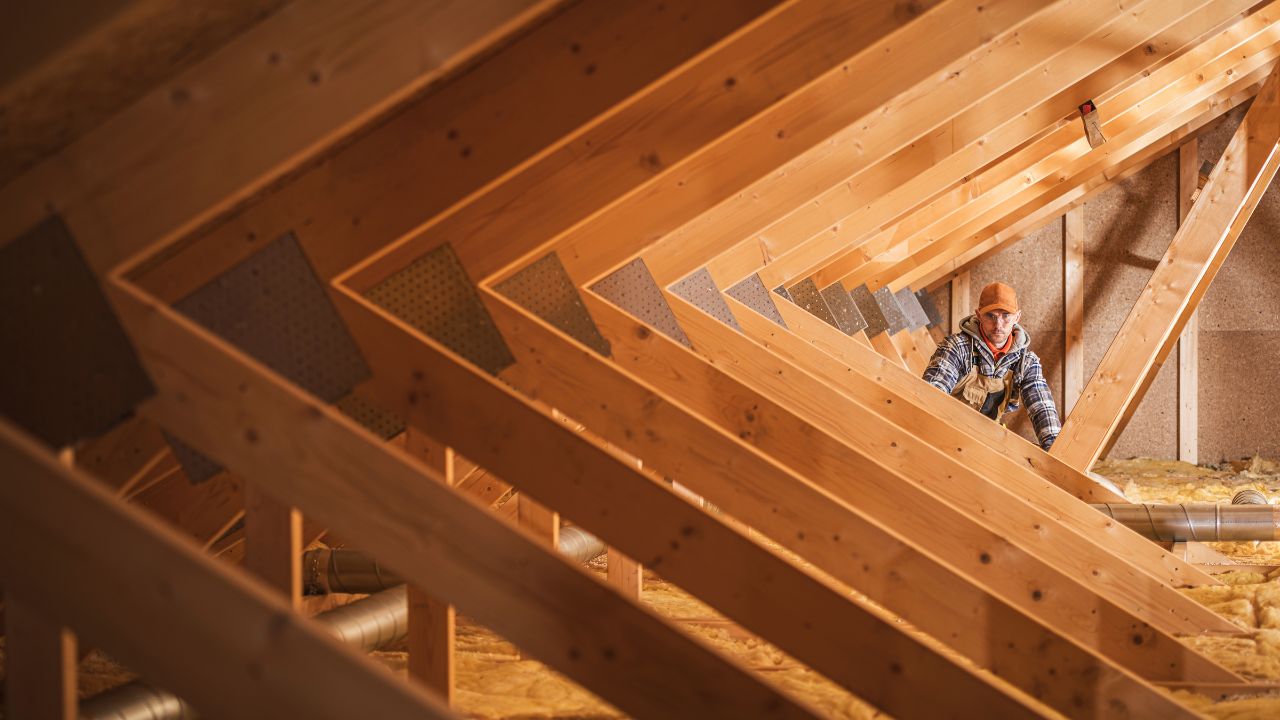
A thorough inspection covers three key areas. First, the contractor assesses insulation depth, R-value, and installation quality. Gaps, compression, and moisture damage all get documented.
Second, they evaluate your ventilation system balance. Proper winter roof care requires adequate intake at the soffits and exhaust at the ridge. Finally, inspectors identify air leakage points in the ceiling plane using visual inspection or diagnostic tools like blower doors. You'll receive a prioritized list of repairs to eliminate attic humidity problems.
How Much Does It Cost to Fix Attic Condensation Problems?
Understanding costs helps you budget for repairs and prioritize improvements. Attic condensation fixes range from affordable upgrades to significant remediation projects. Prevention consistently costs less than repair.
What Are the Typical Costs for Insulation and Ventilation Improvements?
Insulation upgrades vary based on current conditions. Bringing an attic up to R-49 to R-60 standards requires 16 to 20 inches of blown-in material. Costs depend on attic size, accessibility, and existing insulation that may need removal.
Air sealing costs are harder to estimate. No widely published cost-benefit analyses exist for various levels of air sealing across different Illinois home types. Get multiple quotes from contractors who itemize air sealing separately from insulation. This transparency helps you understand where your money goes.
How Much Does It Cost to Repair Water Damage Caused by Condensation?
Repair costs escalate quickly once damage occurs. Professional attic mold remediation runs $3.50 to $7.50 per square foot. Insulation replacement adds up to $4 per square foot. A moderately sized attic can easily exceed $5,000 in remediation costs.
Ice dam removal carries its own price tag. Professional removal averages $1,200, with severe cases reaching $4,000. These reactive expenses highlight why condensation prevention delivers better value. Addressing attic humidity proactively avoids these emergency repair bills entirely.
Are There Long-Term Savings from Properly Addressing Attic Condensation?
Yes—savings come from multiple directions. Fall roof replacement in Illinois saves homeowners approximately 17.4% compared to summer peak pricing. Planning winter roof care during off-peak seasons stretches your budget further.
Energy savings compound over time. Wet insulation loses up to 50% of its thermal resistance. By keeping insulation dry through proper attic management, you maintain full heating efficiency all winter. Lower utility bills, fewer Illinois roof issues, and extended roof lifespan make condensation prevention a smart investment.
Protect Your Roof from Attic Condensation
Attic condensation is a serious issue that can cause significant damage to your roof and home if left unchecked. By taking preventative measures such as proper insulation, sealing air leaks, and ensuring adequate ventilation, you can protect your attic from moisture and maintain a healthy home. At Advanced Roofing Inc., we specialize in attic condensation prevention and roof repairs. Reach out to us today for a professional inspection to safeguard your home from the damaging effects of condensation this winter!